
Course Features
| 1. | Our school prioritizes the development of school-based curricula to align with educational trends, meet students' needs, and maximize their benefits. We also focus on developing bilingual and trilingual curricula, with separate school-based curricula for both Chinese and English. |
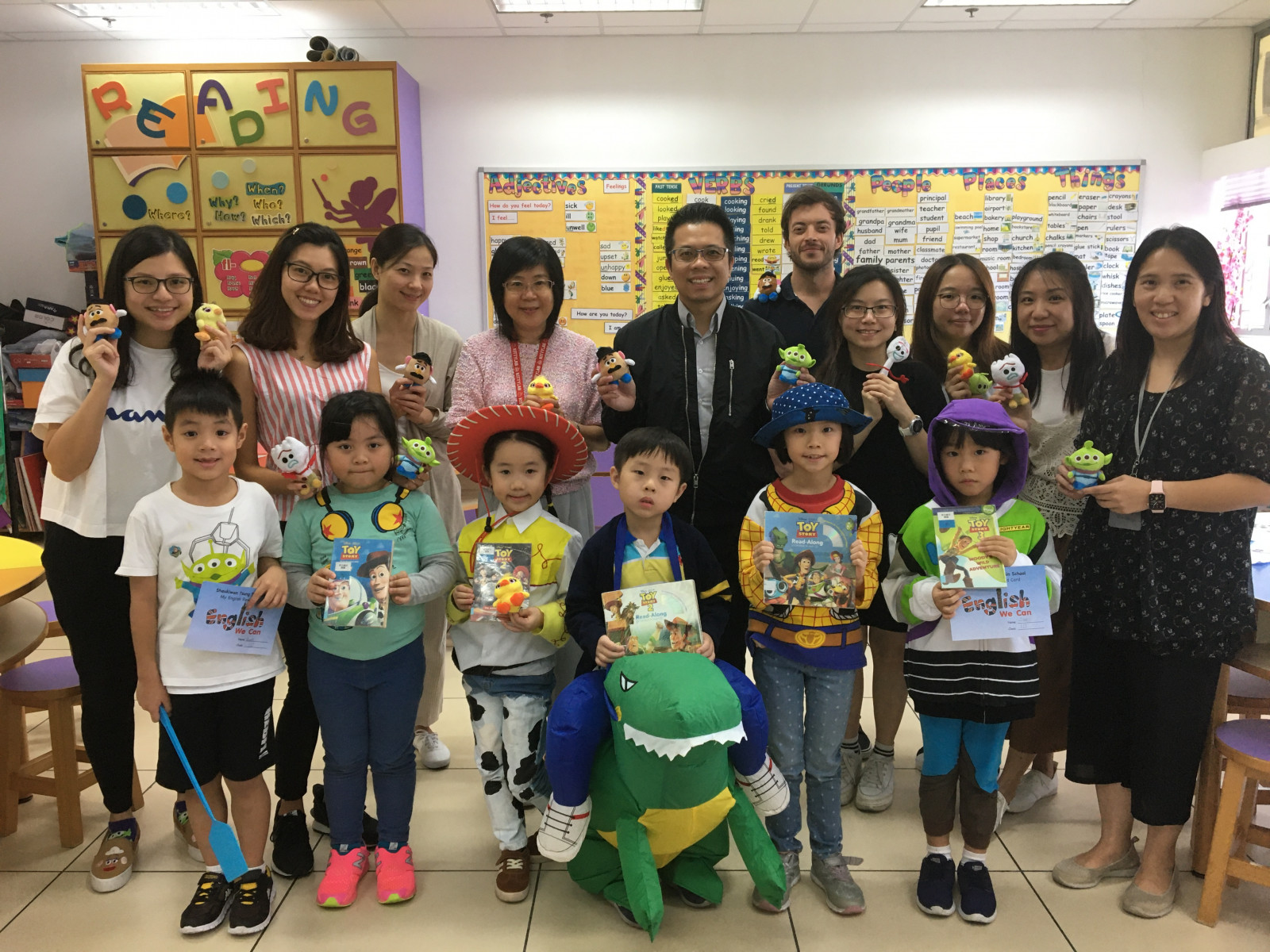
- The English department implements an "English Literacy Program" (including reading and writing) from the lower grades, using various storybooks and employing a "shared reading teaching method," diverse language experience activities, and writing activities to help students build reading, writing, listening, and speaking skills in daily life. In addition, the English department also promotes "phonetic spelling," teaching students how to combine and break down phonetic symbols, enabling them to master basic phonics within two years and read articles accurately without assistance, thus significantly improving their English proficiency. For higher grades, additional resources are allocated to develop a writing program to enhance students' writing skills.
- The Chinese language department has developed a "unit-based teaching" approach, employing skimming, intensive reading, and self-study models. Teachers use methods such as reading aloud and text analysis to help students deeply understand the texts, appreciate their emotions, and develop a love for reading, thus entering the realm of literature and laying a solid foundation for reading, writing, listening, and speaking. Furthermore, the school's "Teaching Chinese in Putonghua" approach is well-established, with half of the Chinese language classes from grades two to six fully implementing this method. Students, with less oral communication in their writing, are more sensitive to characters, sentences, and grammar.
- In addition to the core curriculum, the mathematics department has developed a "school-based thinking and problem-solving curriculum," giving students the opportunity to encounter mathematical problem types beyond the basic curriculum and learn different thinking and problem-solving methods and techniques to improve their thinking and problem-solving abilities. The school also holds various mathematics activities to expose students to different thought-provoking intellectual problems, enabling diversified and flexible learning and enhancing students' interest in mathematics.
- The curriculum is student-centered, developing a school-based curriculum through course tailoring and adjustment, and diverse activities and assignments to cater to students' diverse learning needs. In the classroom, inspiring and encouraging learning, individual participation, and group collaborative learning models guide students to actively construct knowledge. All teachers participate in various training programs, explore different teaching methods, observe each other, and exchange ideas with local and international partner schools to enhance their professional skills and teaching effectiveness. Teachers also develop their own information technology teaching materials to complement their teaching needs.
2. Develop students' higher-order thinking skills
- Incorporate six-level thinking training (paraphrasing, interpreting, organizing, extending, evaluating, and innovating) into classroom teaching and homework to enable students to engage in deeper thinking in a more layered and step-by-step manner.
- Teachers guide students to read newspapers and watch and listen to news programs, enabling them to have more contact with and care about current social events. At the same time, students express their personal opinions through oral expression, group discussions, or essays, and students exchange opinions with each other, while teachers provide feedback .
3. Cultivate students' self-learning ability
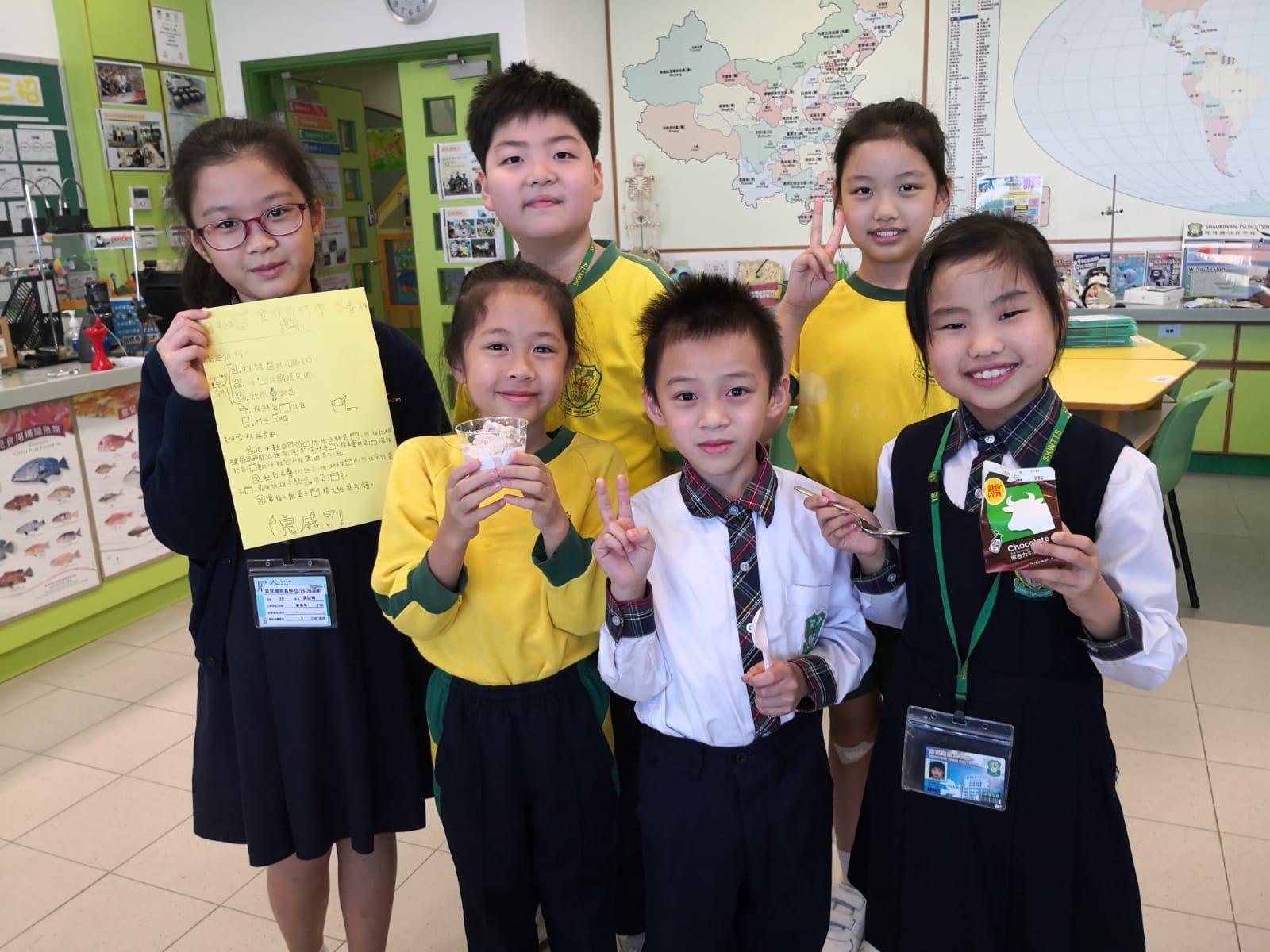
- Teachers design a variety of lesson preparation activities, including worksheets, data collection, dictionary consultation, designing thought-provoking questions, interviews, drawing, etc., so that students have a basic understanding of a specific topic and learning focus before class.
4. Thematic Study Week
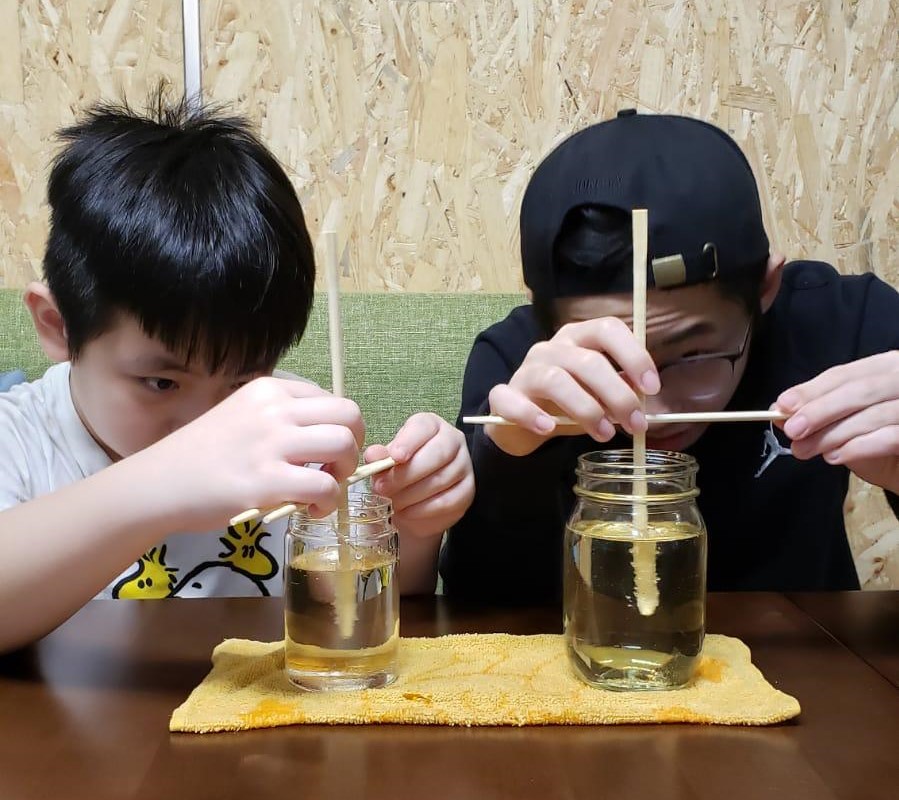
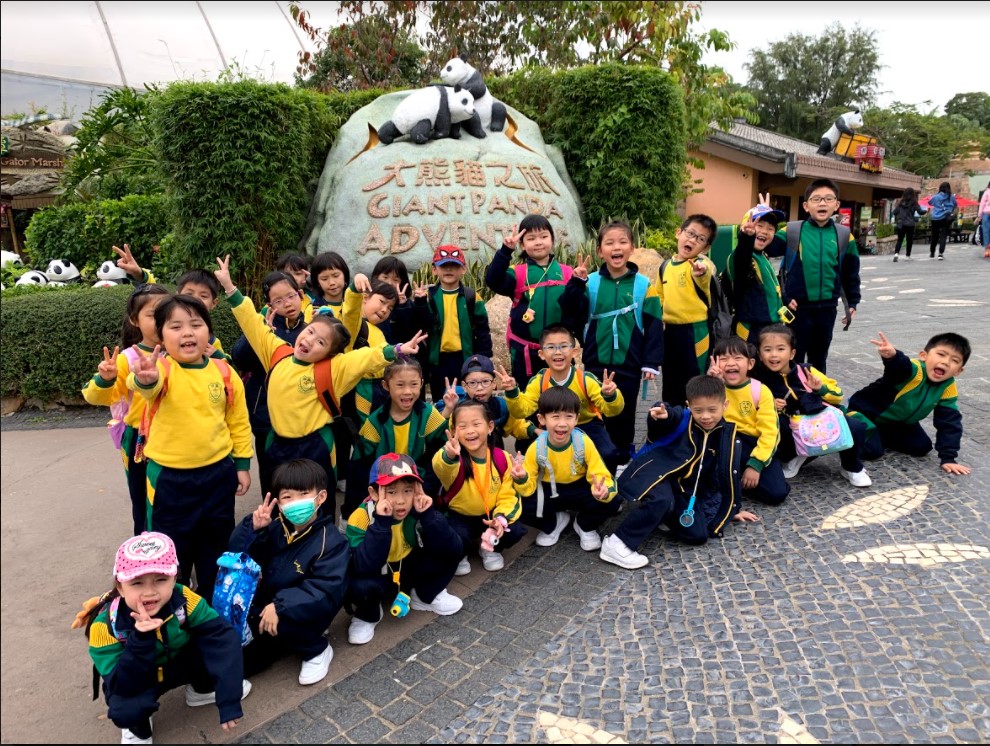
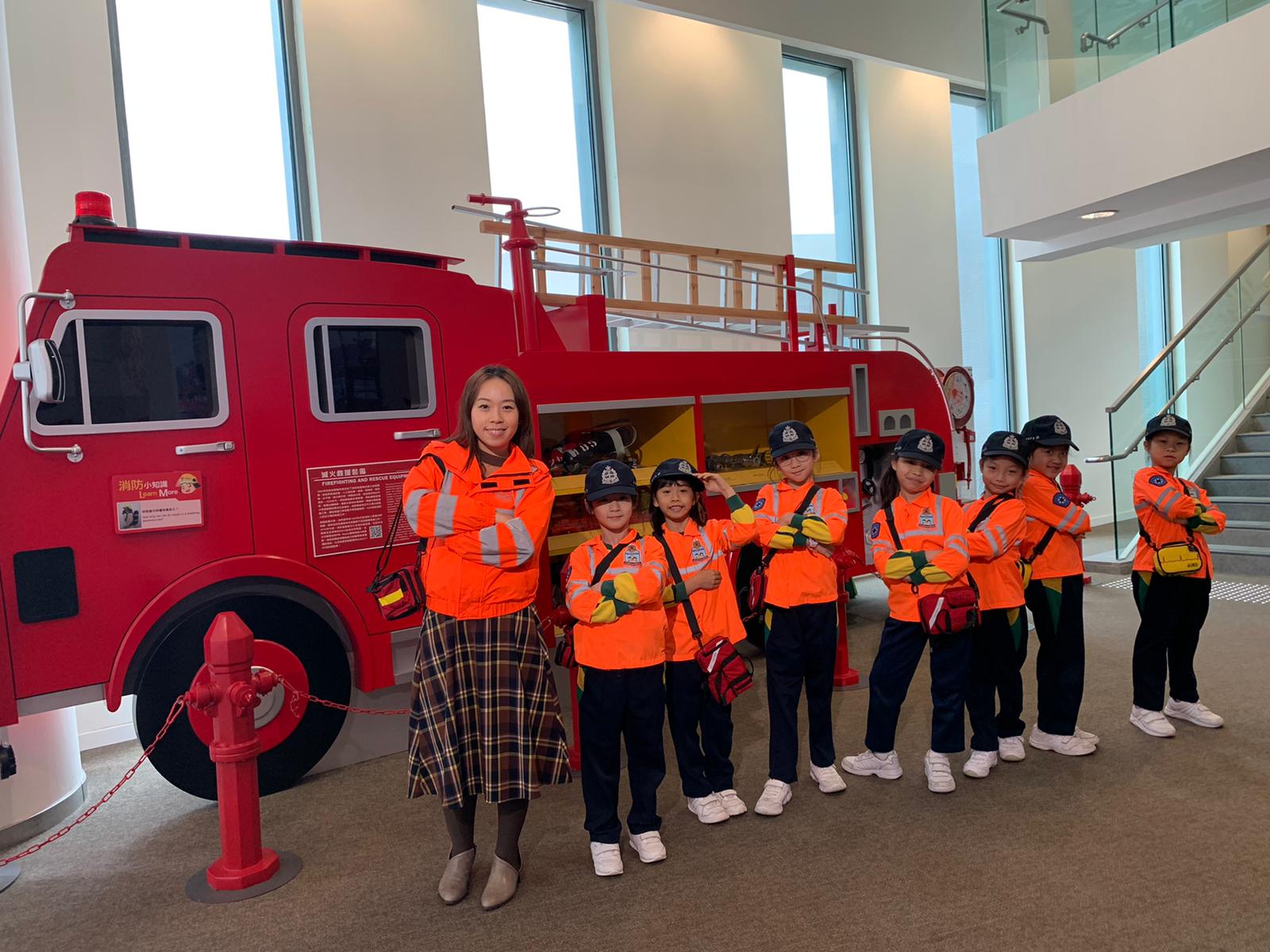
- Between semesters, a special week called "Special Topic Study Week" is set up to allow students at all levels to complete specific topic study courses.
- The course is completed in one go, from students formulating topics, agreeing on learning goals, collecting information, visiting sites, making reports or finished products, and presenting their findings, allowing students to focus their learning more effectively.
5. Enhance students' reading habits
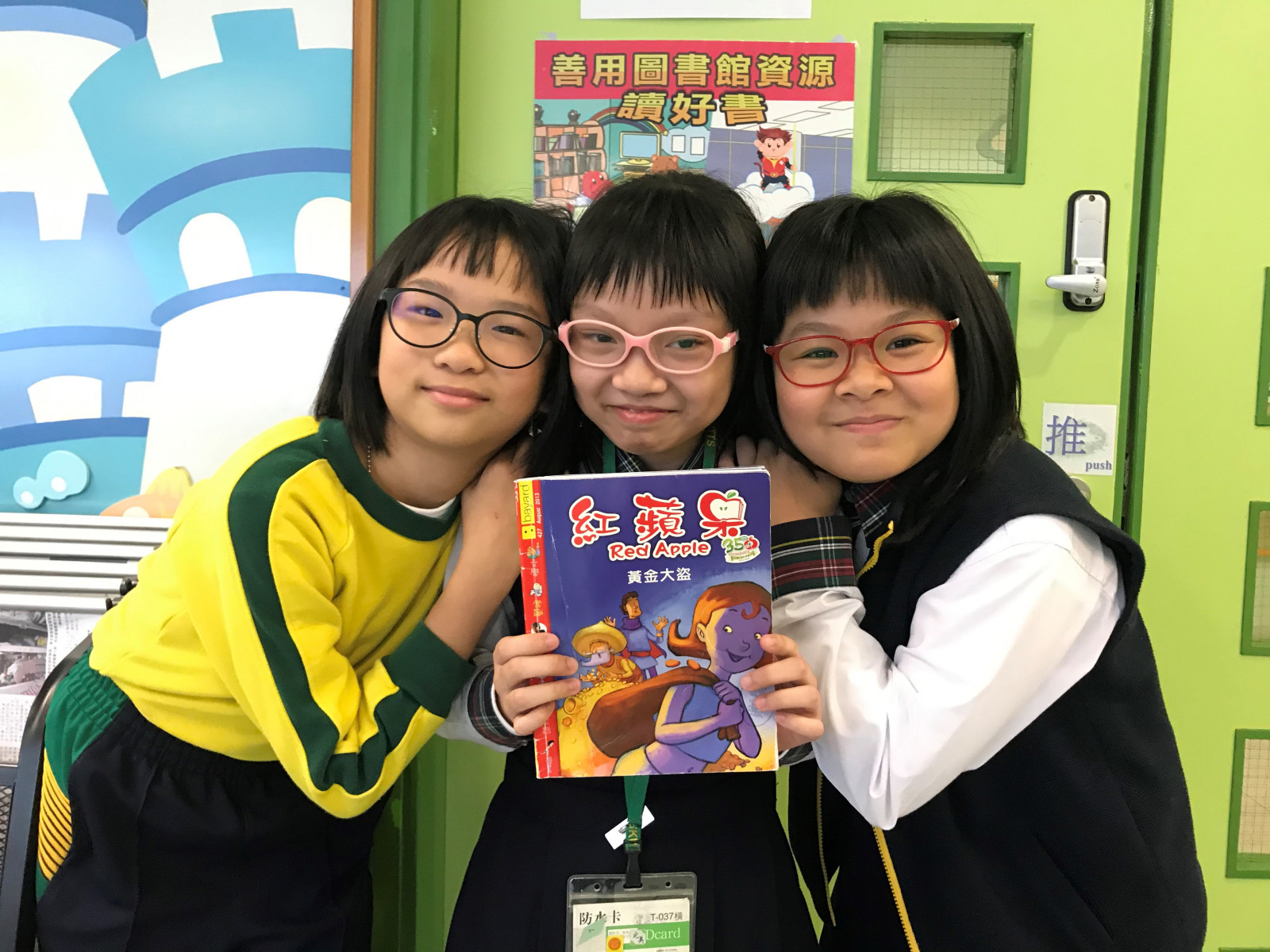
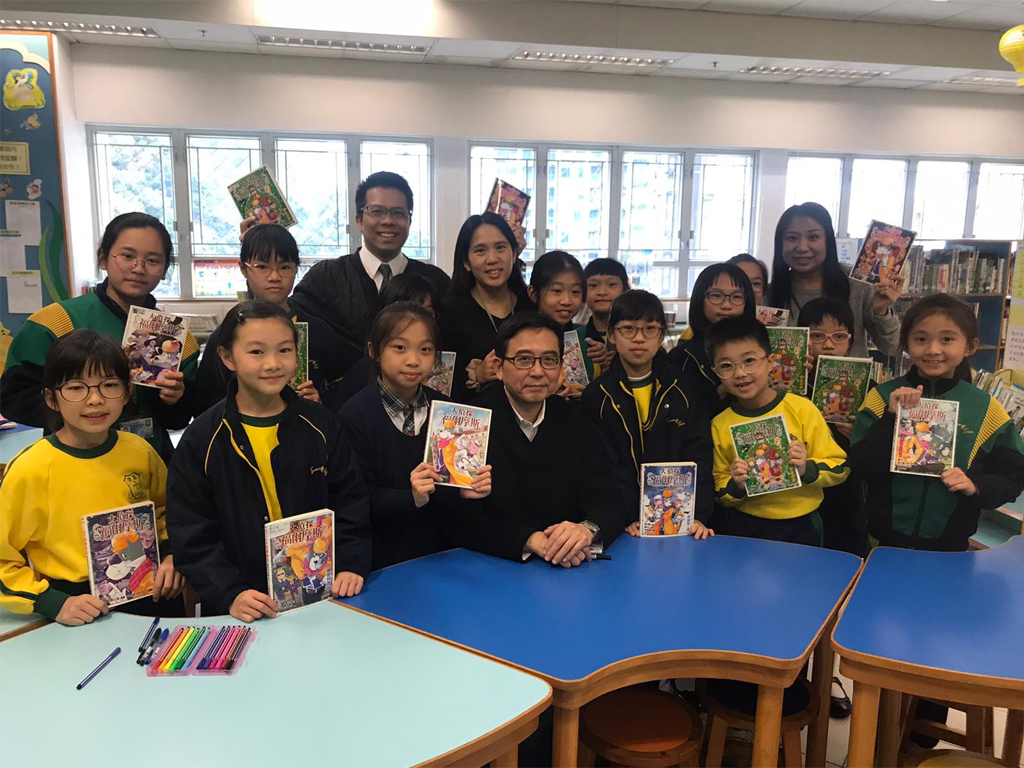
- The English department offers "Reading Workshops" for grades four through six, while the Chinese department has a "Extensive Reading" program. Teachers introduce excellent articles and books to students and analyze them together. In addition, both the English and Chinese departments have "Extensive Reading Programs" and "Online Reading Programs" in conjunction with the school's library activities.
- The library regularly holds reading weeks, new book recommendation days, themed book fairs, and extensive reading weeks in both Chinese and English to allow students to borrow more books.
- Our school has organized various reading activities, including training "Little Reading Pioneers" and introducing books during broadcasts on "Chongzhen Radio." Students regularly share stories or reading experiences during lunchtime, with ideal results.
- Our school also implements different reading reward programs, such as the Reading Star Reward Program and the Parent-Child Reading Reward Program.

6. Develop information technology education
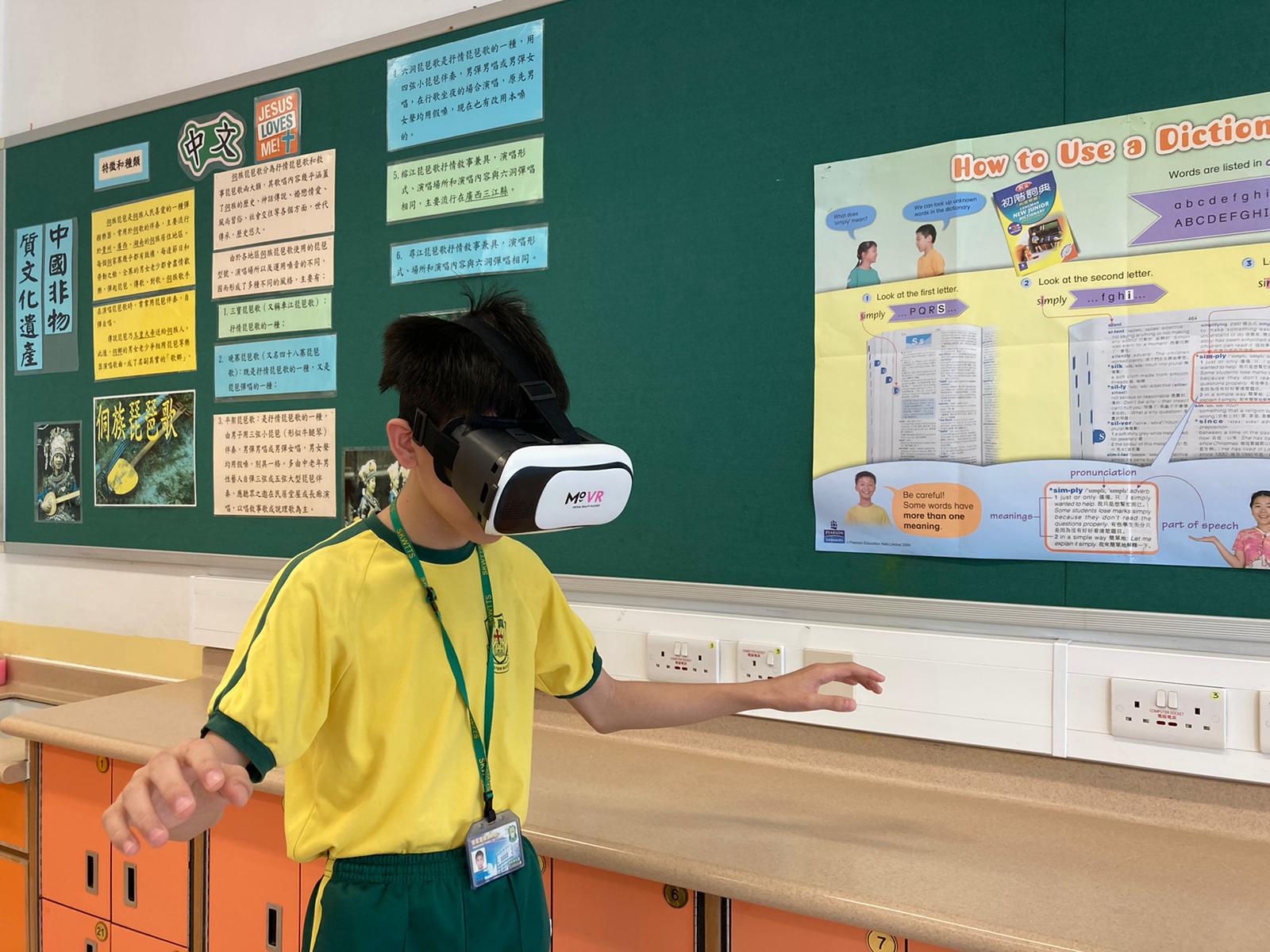
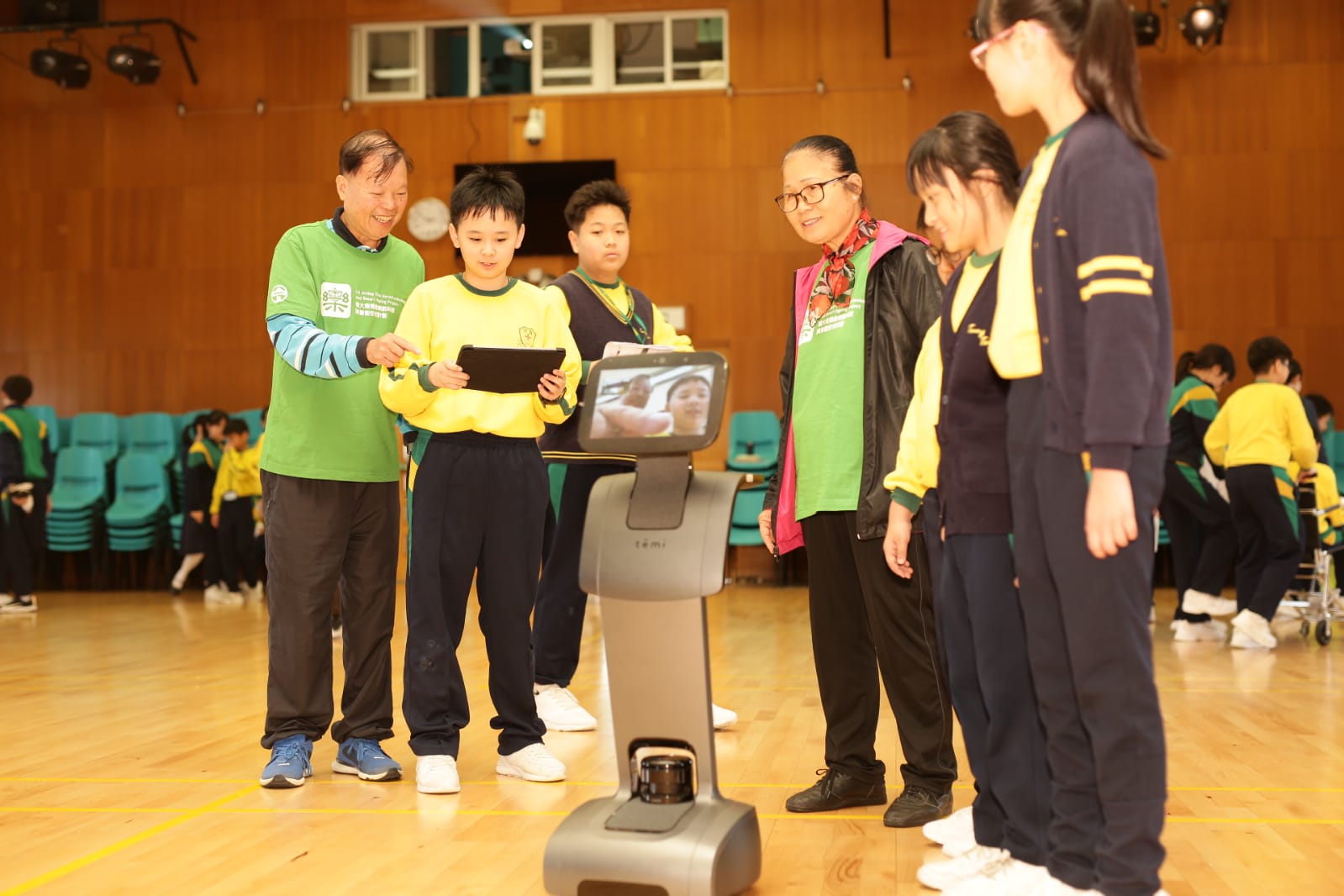
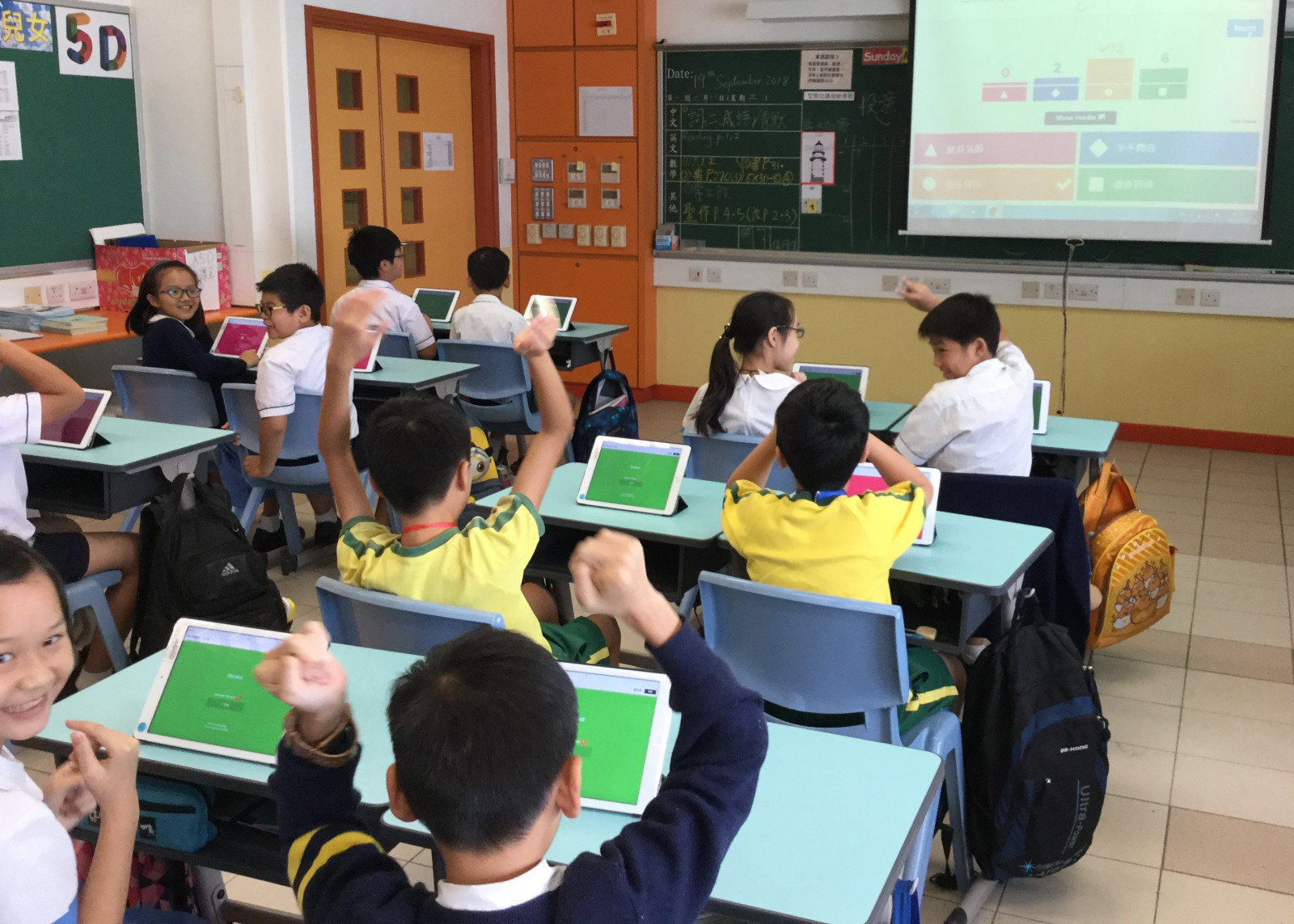
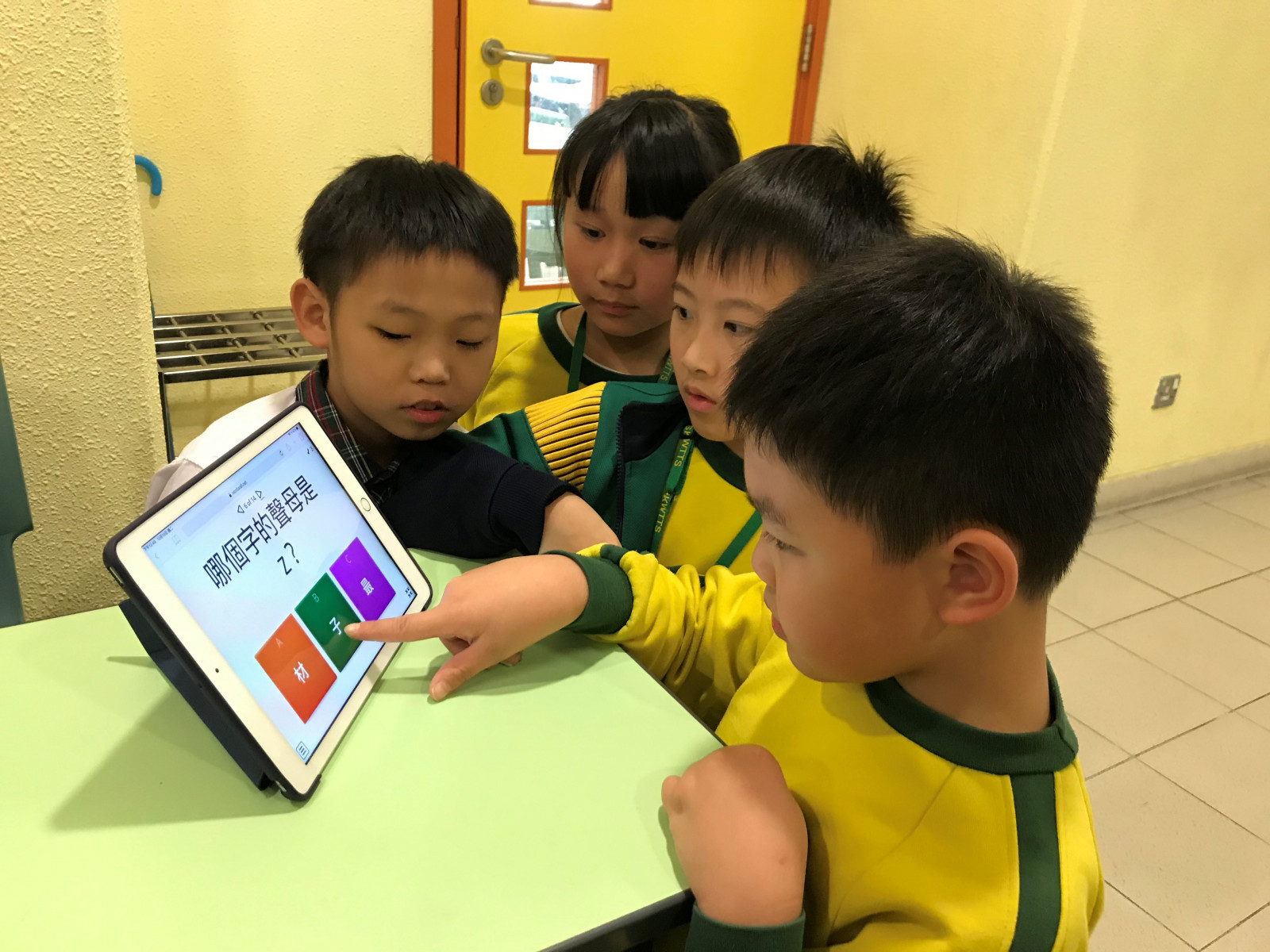
- To enable students to make greater use of information technology in their learning, our school is committed to developing an intranet that stores a large number of software programs and questions developed by our teachers, allowing students to engage in learning and teaching activities.
- Our school has applied for several interesting online learning platforms, which are located on the intranet for students to use.
- The computer lab and language lab are equipped with a variety of teaching software for teachers and students to use.
- The computer lab is open to students after class for them to conduct special studies or study on their own.
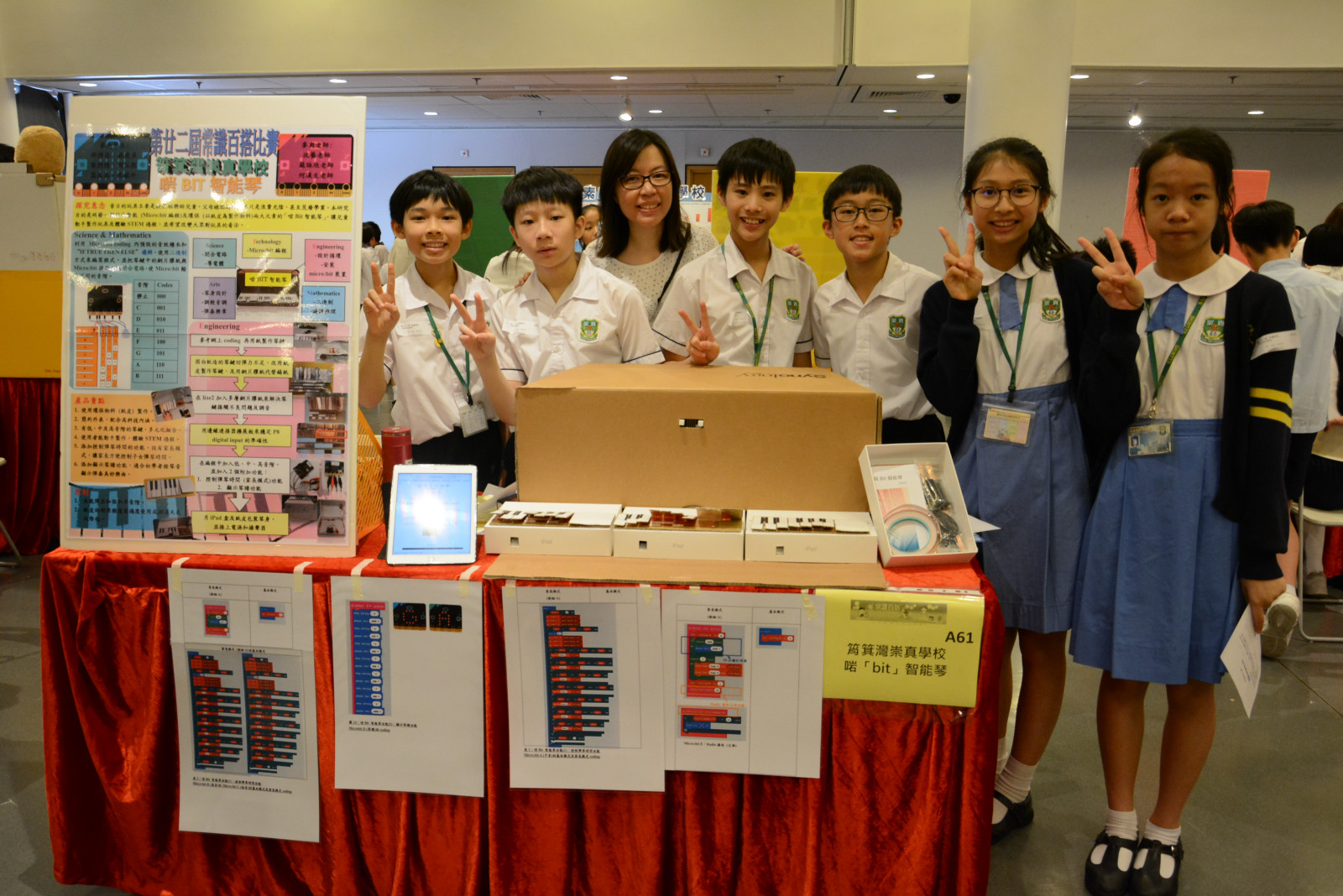
- Organize groups of students with a strong interest or talent in IT and enhance their training.
7. Diversified evaluation models
- Our school promotes "progressive assessment" to provide students with more immediate and appropriate feedback. Classroom activities and some assignments include student self-assessment or peer assessment components; while teacher-developed assignments in project workshops also incorporate parental assessment elements. In addition to paper-and-pencil assessments, teachers also use diverse assessment tools, such as observation, oral questioning, and games. Through teachers' encouragement and arrangements, many students have become accustomed to the self-assessment and peer assessment learning model and are paying more attention to their own and others' performance.
- Assessing student learning performance does not solely rely on exam scores; rather, it emphasizes all the learning experiences students gain during the learning process. When grading assignments, it's not enough to simply "correct" them; it also involves "evaluation" and "suggestions" to help students understand areas for improvement.
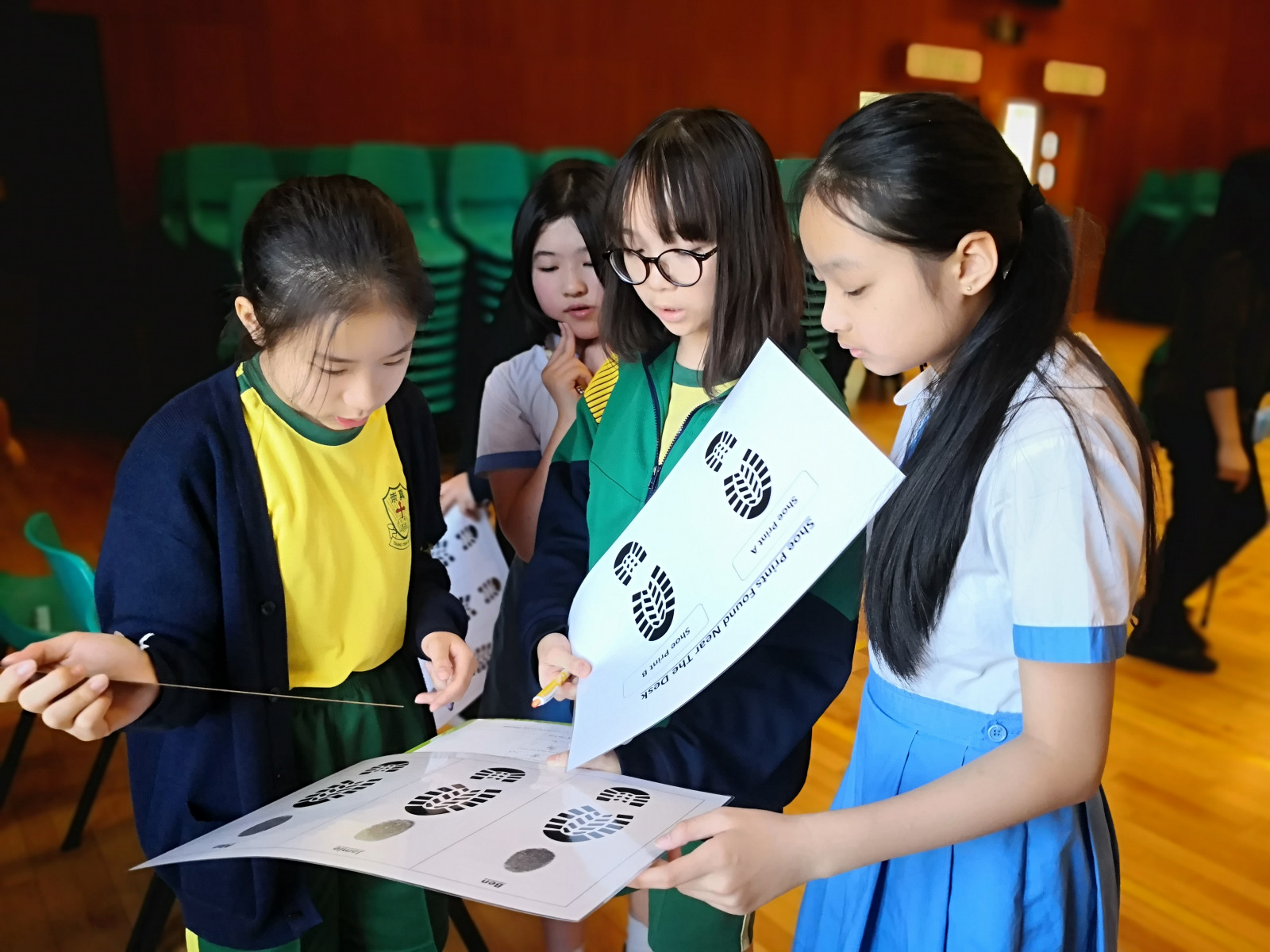
8. Create a positive learning environment and atmosphere
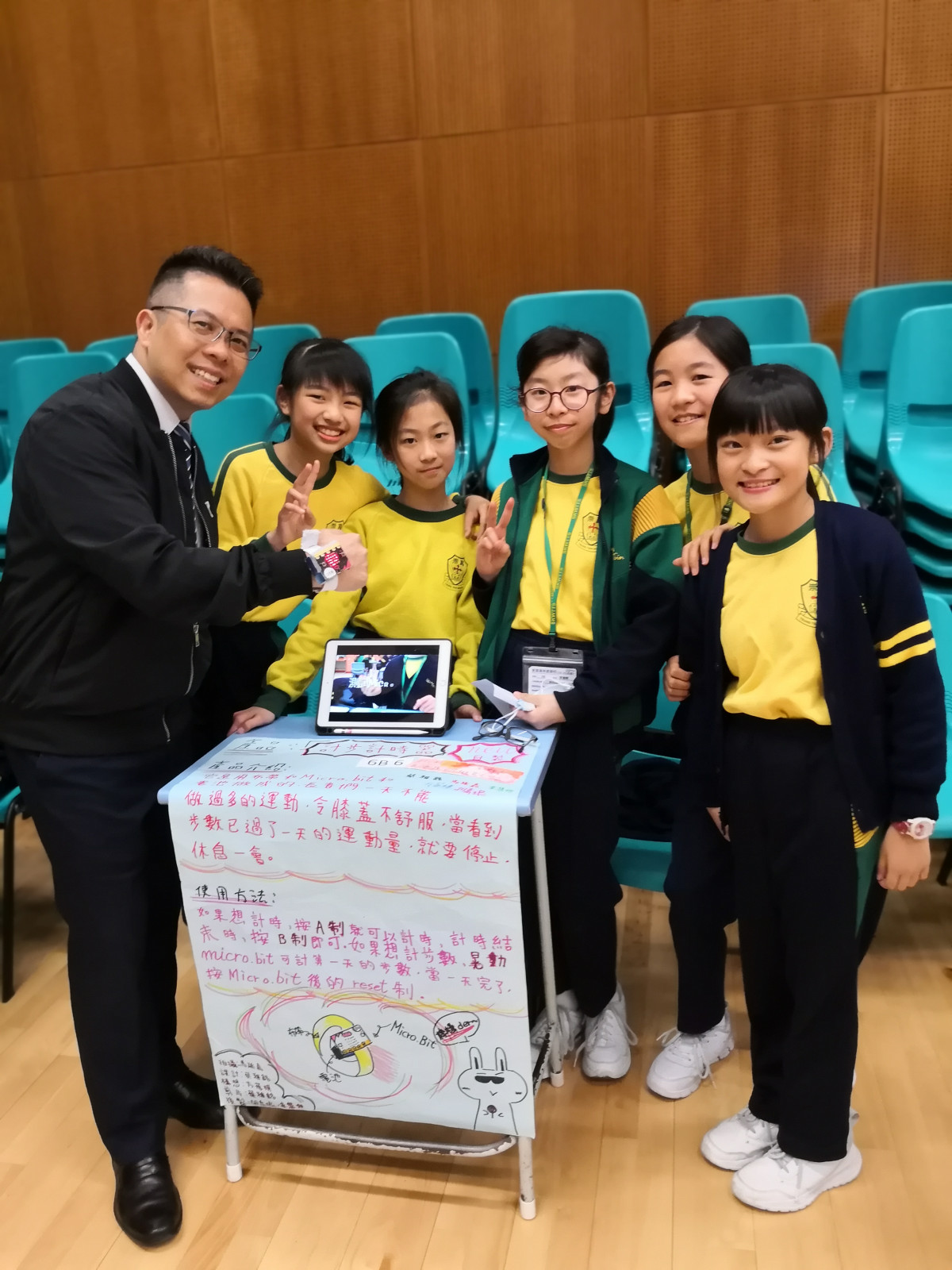
- Our school has created the "Grace Gallery" to display students' works, allowing them to observe and learn from each other and enhance their sense of accomplishment.
- During breaks, language rooms, general knowledge rooms, computer rooms, and libraries are open to students for learning activities and self-study.
- The bulletin boards in the classrooms and corridors regularly display learning content or students' learning achievements, allowing students to observe each other and creating a good learning environment.