| General Knowledge |
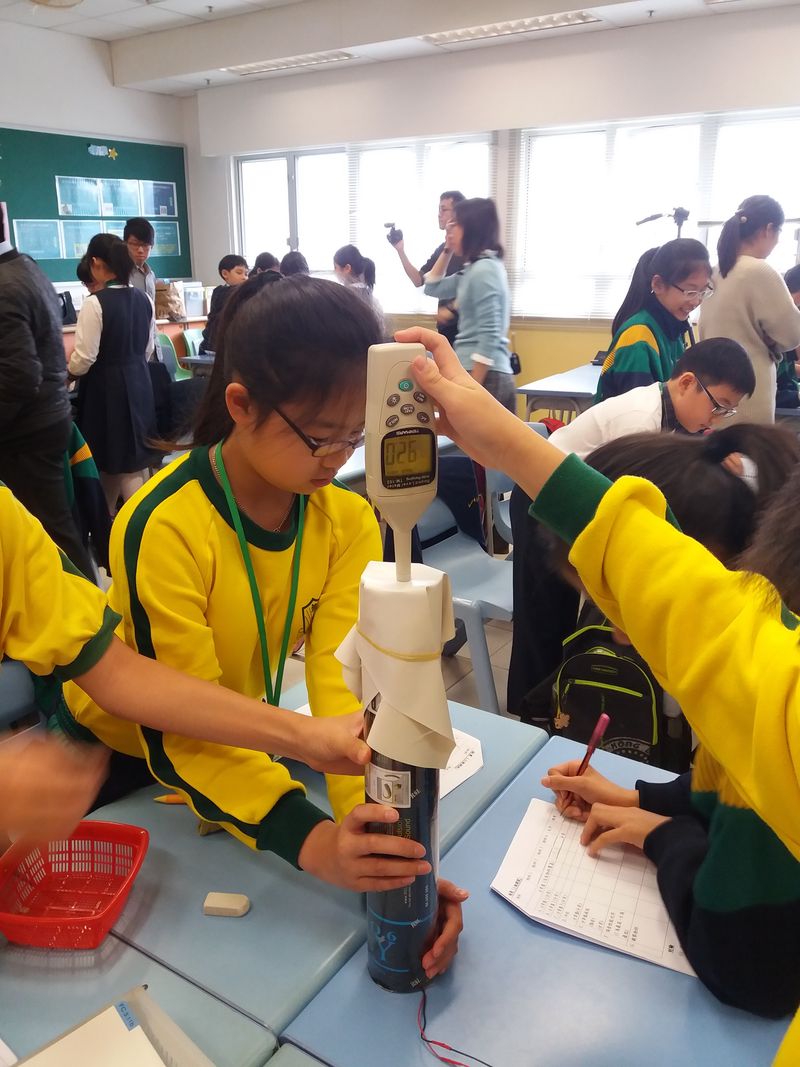
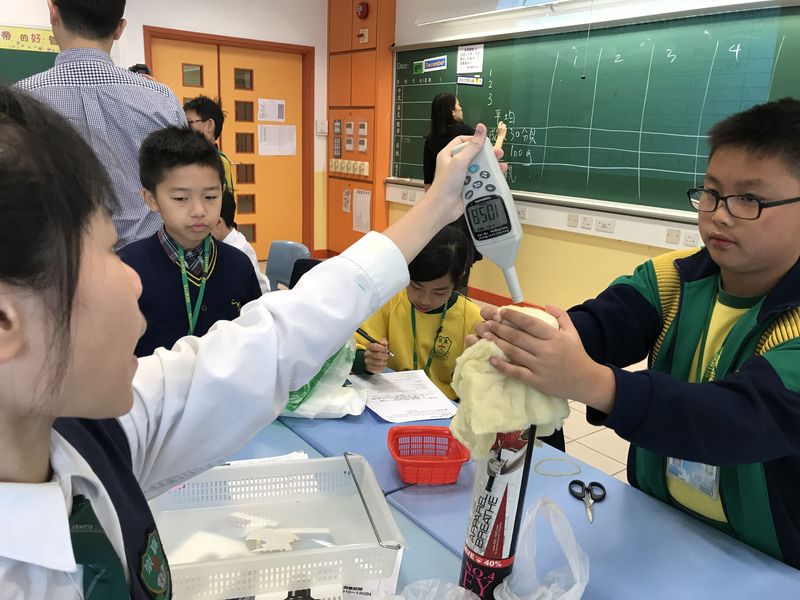
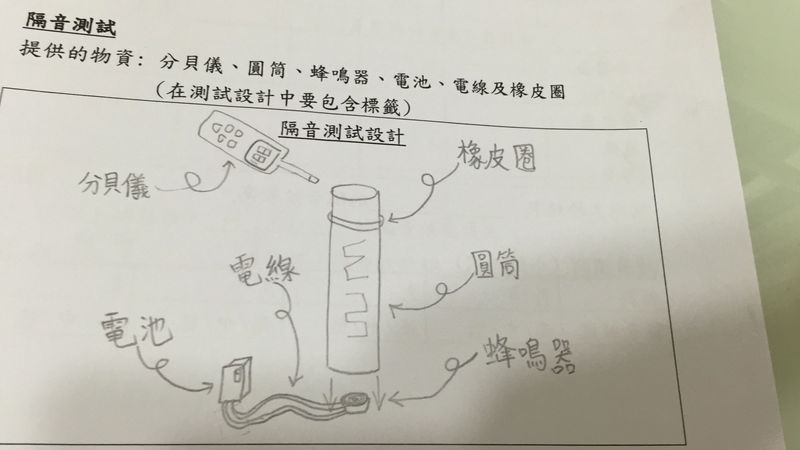
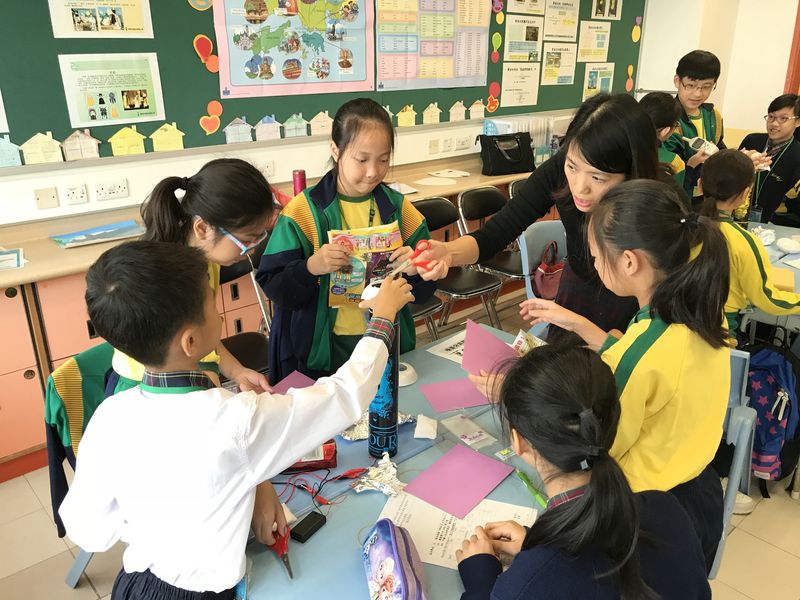
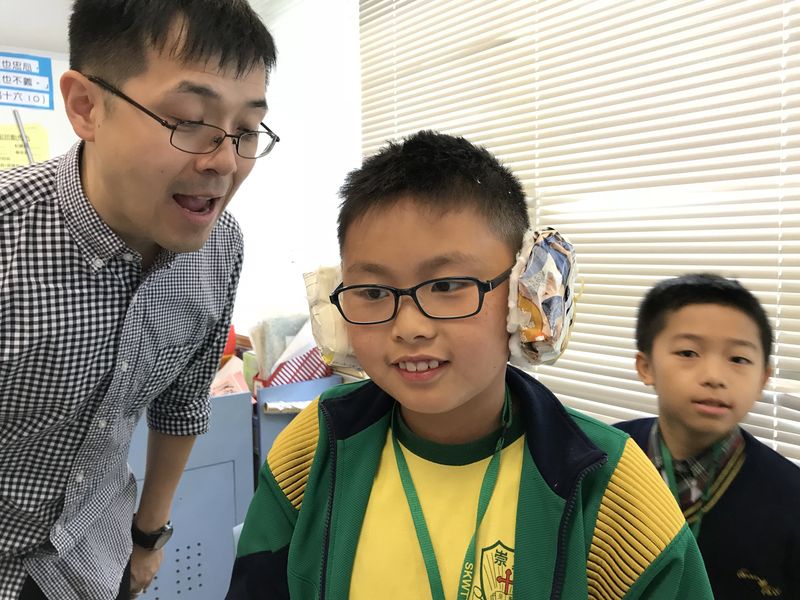
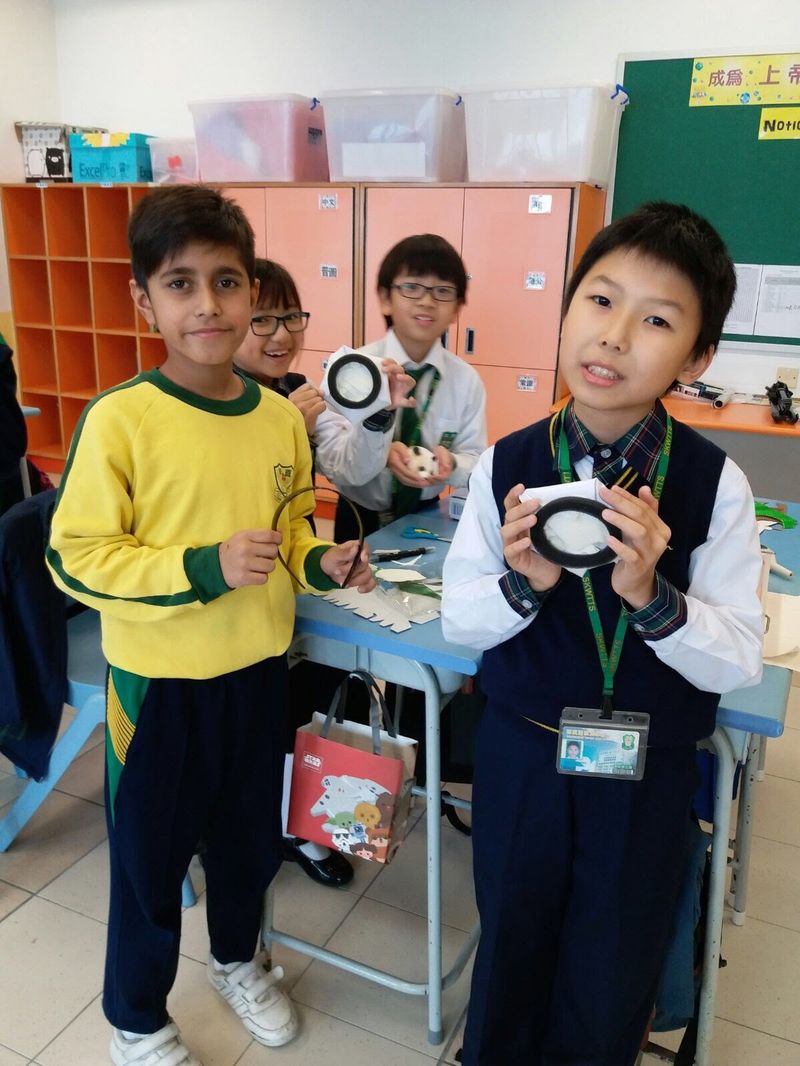
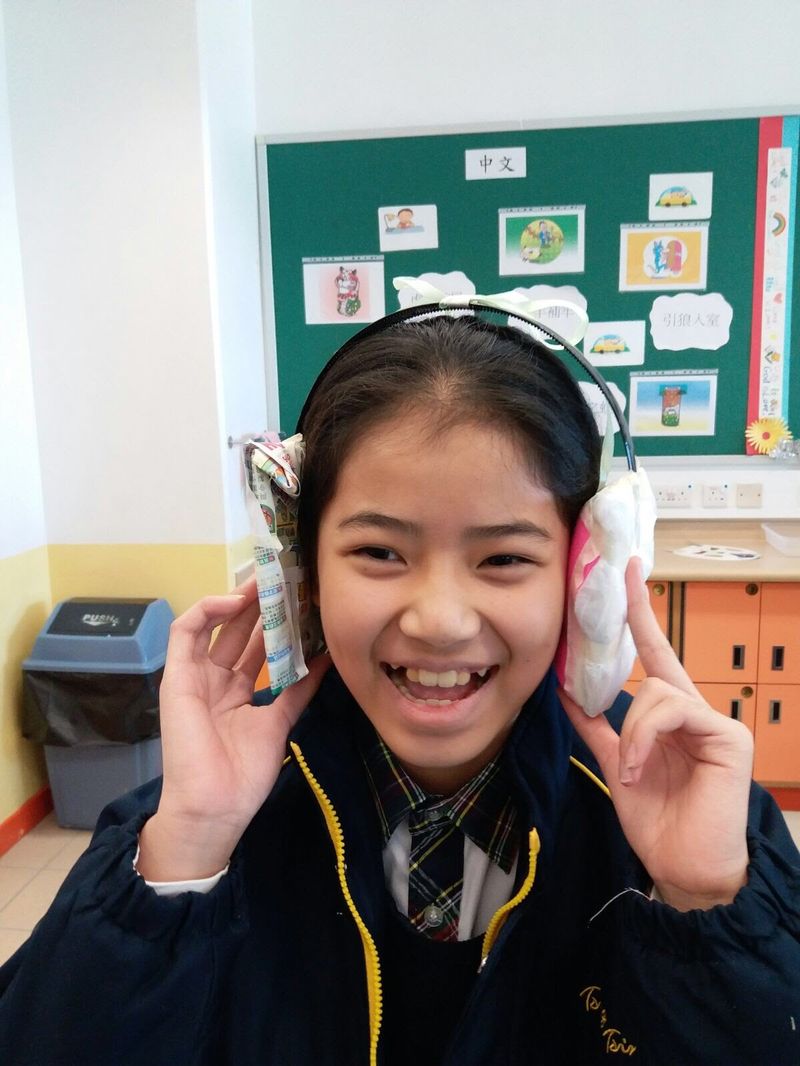
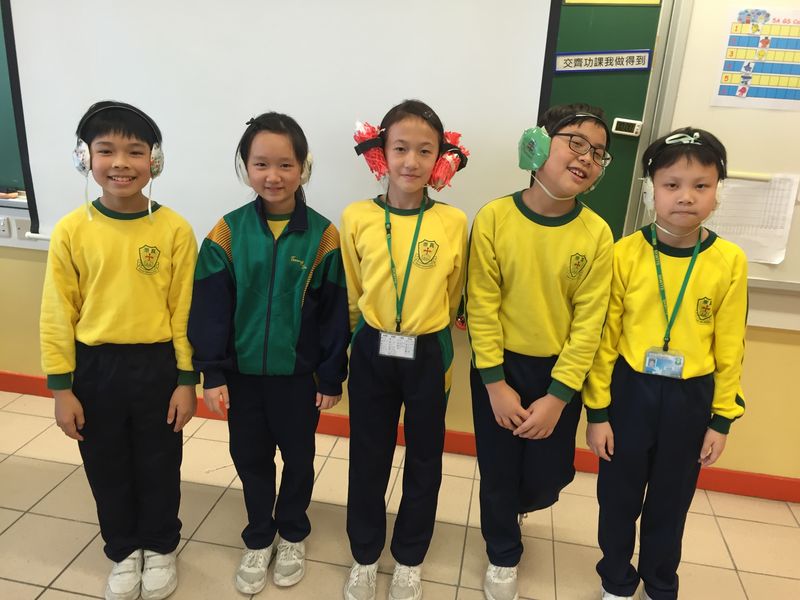
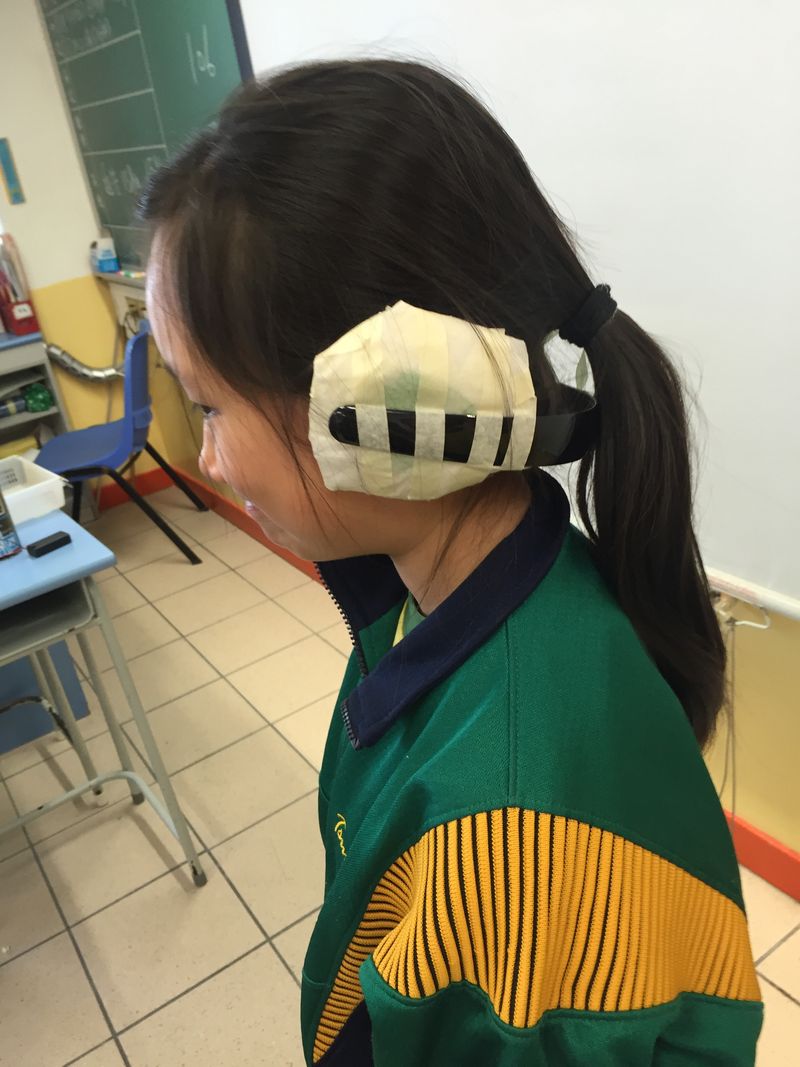
The General Studies curriculum includes six learning areas: "Health and Life", "People and Environment", "Science and Technology in Everyday Life", "Society and Citizenship", "National Identity and Chinese Culture", and "Understanding the World and the Information Age". In addition to building subject knowledge, it also develops students' common abilities and cultivates students' positive values and positive attitudes. School-based curriculum: 1. Promoting STEM Education: Our school is a key school of the Chinese University of Hong Kong's "Knowledge Excellence and Striving for Excellence" program. In the 2017-18 and 2018-19 academic years, STEM education was implemented in grades 5 and 6. Through professional exchanges between scholars from the Chinese University of Hong Kong and our school's teachers, classes incorporating STEM elements were designed: Science (inquiry-based experiments), Mathematics (data processing), Technology (using electronic instruments), and Engineering (designing and creating projects through hands-on activities). The classes focus on solving everyday problems for students, designing scientific inquiry activities that allow students to "do it themselves" in groups. It is hoped that in addition to gaining knowledge, students will develop higher-order thinking skills, creativity, and communication skills, cultivate a spirit of scientific inquiry, and learn to solve problems using mathematical methods. Exploring the sound insulation performance of materials and making earmuffs (whole class course) Students conduct fair tests to assess the sound insulation performance of different materials and explore the relationship between the material's structure and its sound insulation performance. Students designed and manufactured earmuffs for workers on the construction site using materials with high sound insulation performance. The process involved repeated testing and improvements, showcasing the students' creativity. |
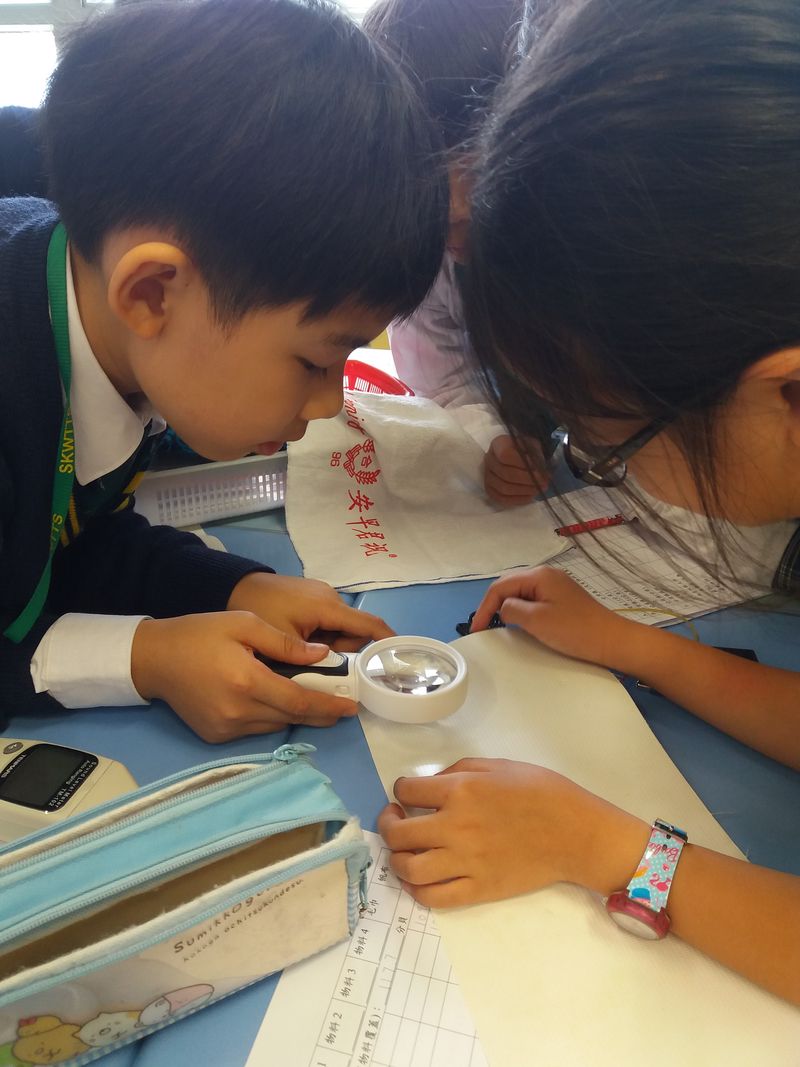
Investigating the effect of direct and oblique light on temperature (whole-class lesson) 
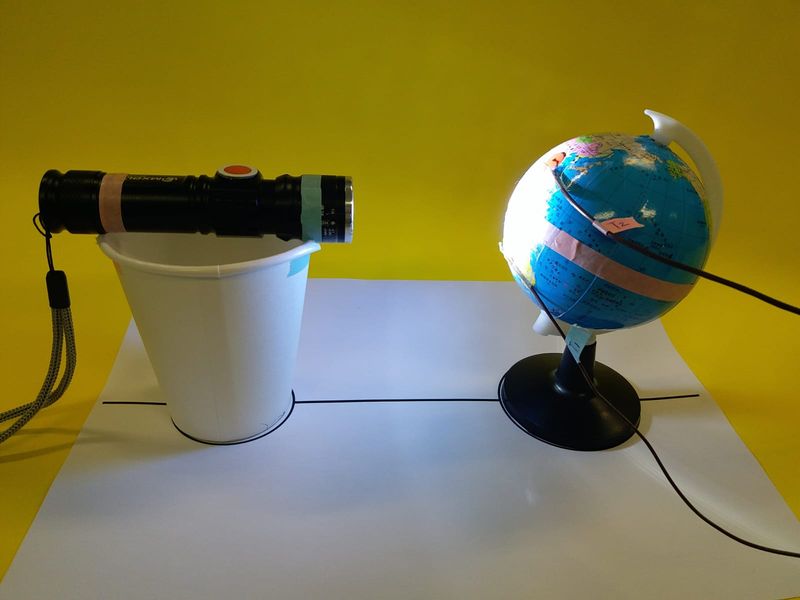
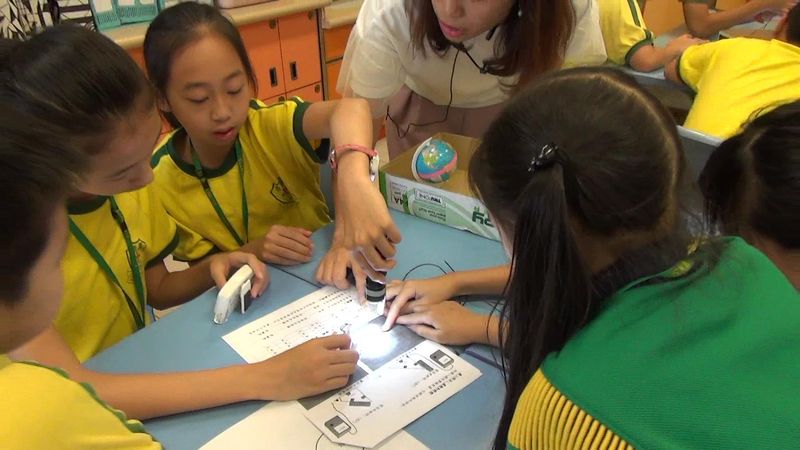
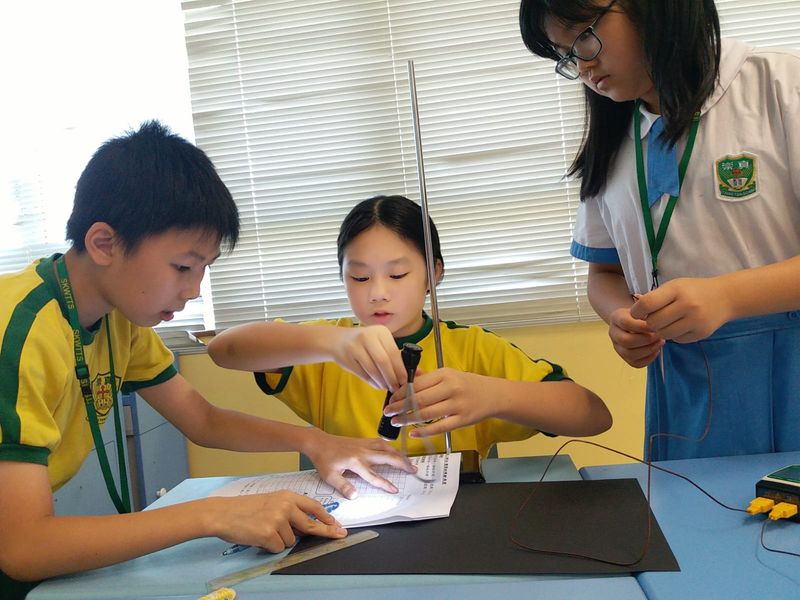
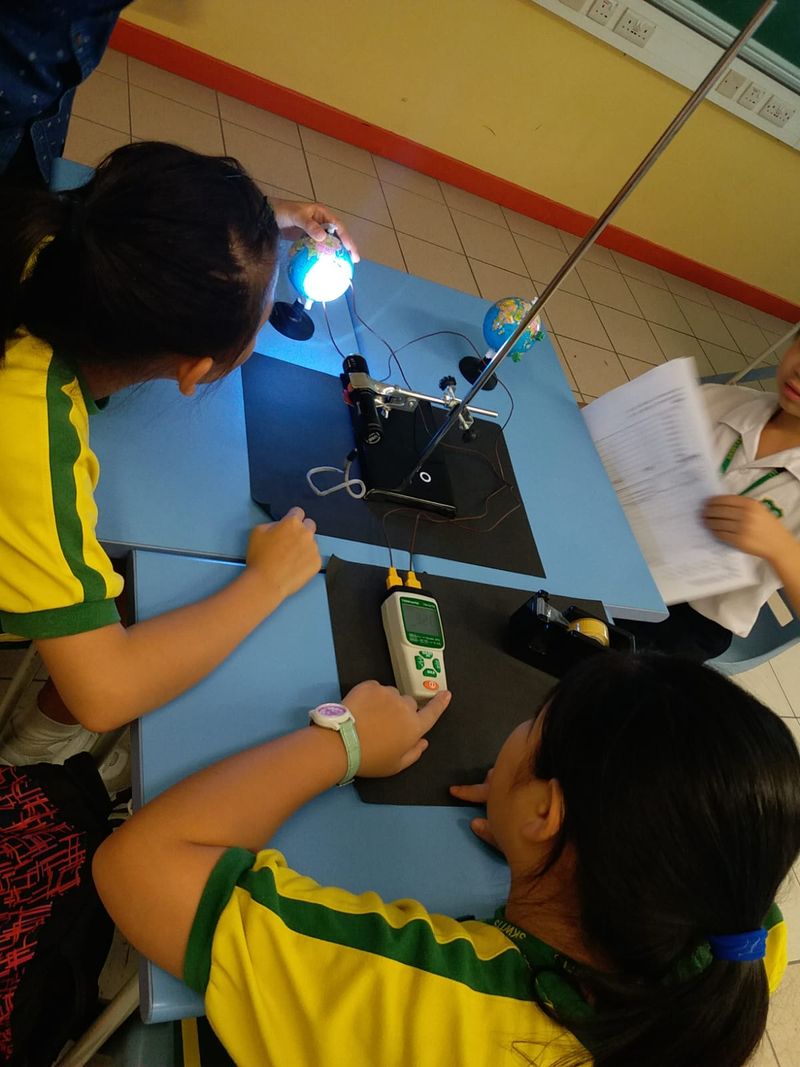
Students used flashlights and globes to simulate the effects of direct and oblique sunlight on the Northern and Southern Hemispheres, measuring the temperature differences and inferring the causes of the seasons.
Lever Principle (Homemade Chinese Weight) (Full Class Course)
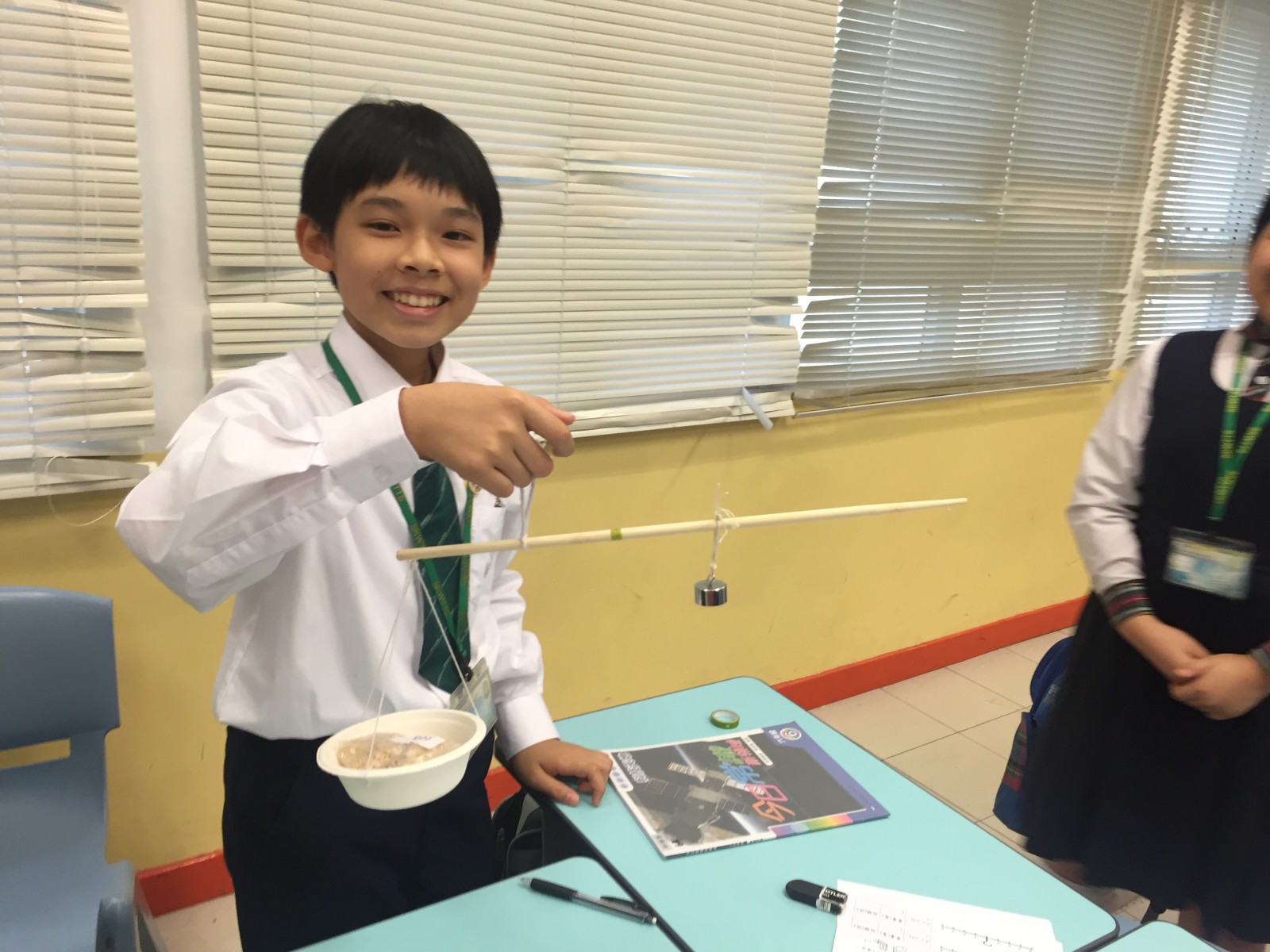
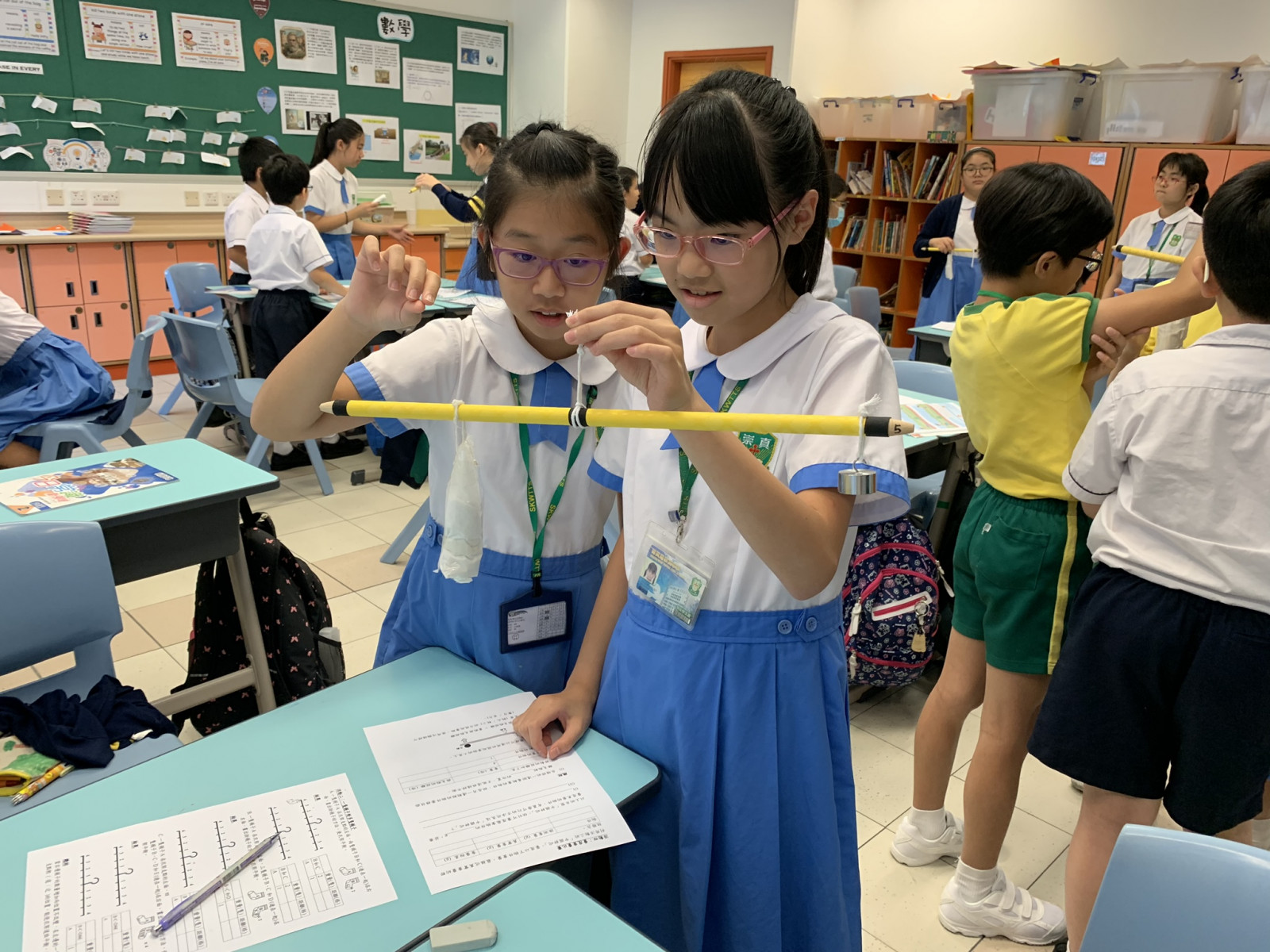
Students used the lever principle to make their own Chinese weight and used it to measure the weight of objects.
Develop smart products for seniors (detached intensive courses).
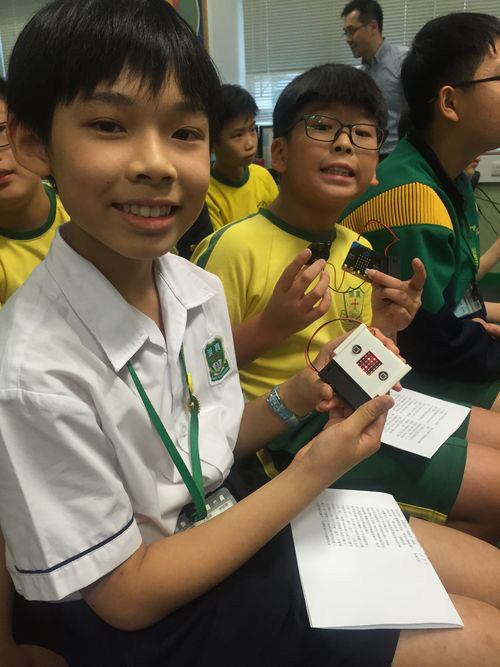
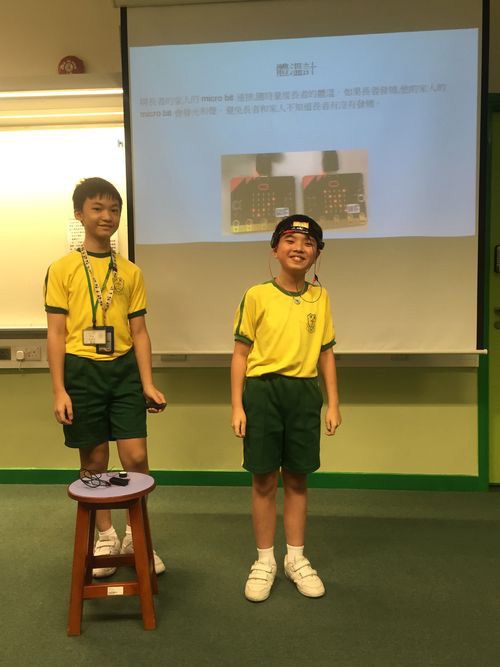
Other science inquiry classes combine affective education and STEM education elements, where students use micro:bit programming to develop smart products for the elderly, helping them solve problems in their daily lives, in order to cultivate and develop their creative thinking and problem-solving abilities.
Other science inquiry classes
.JPEG)
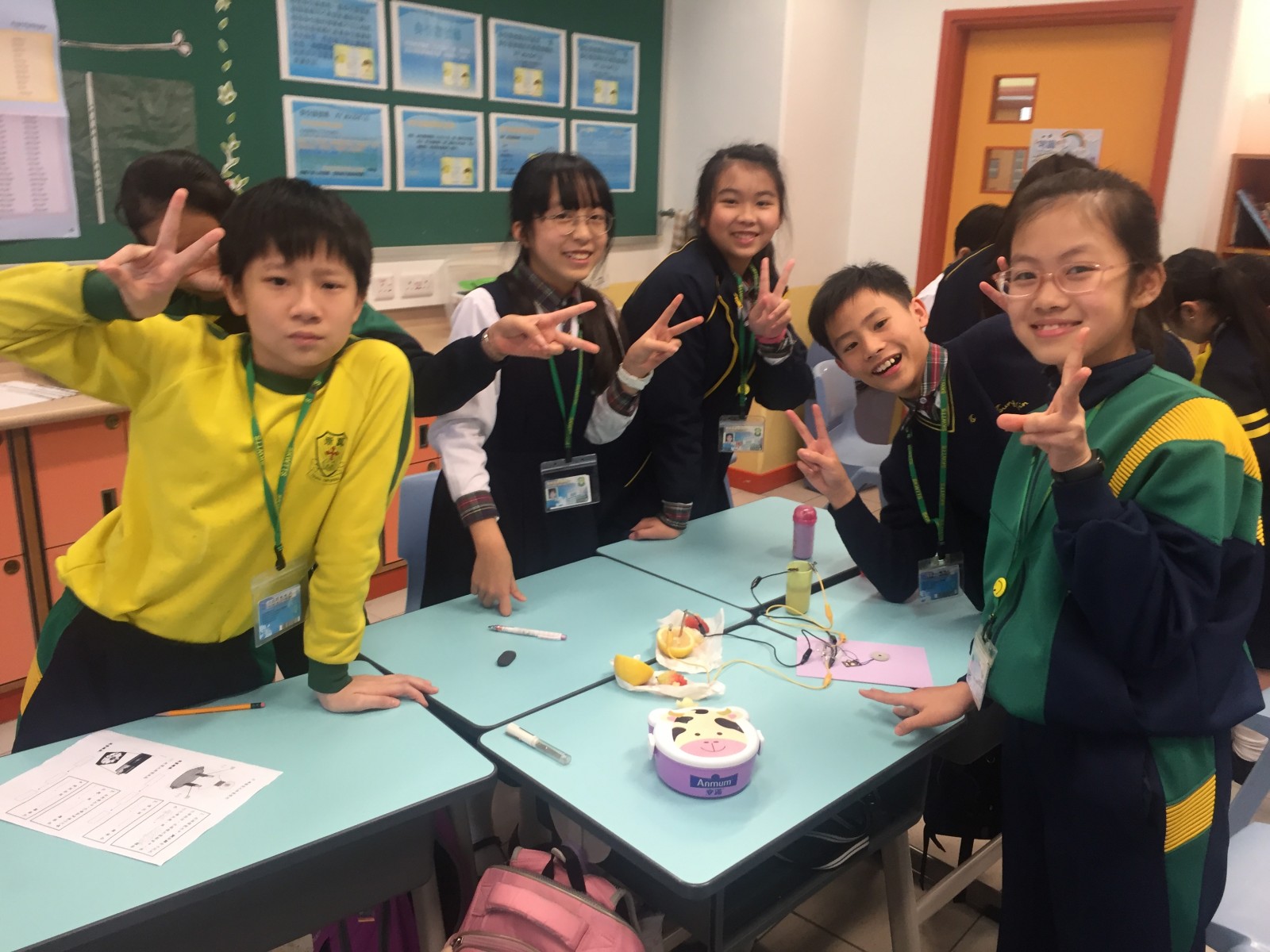
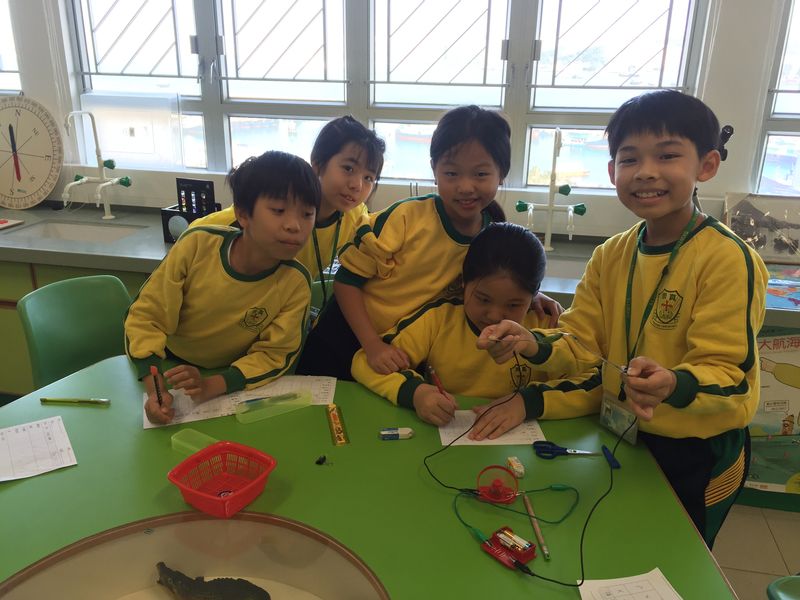
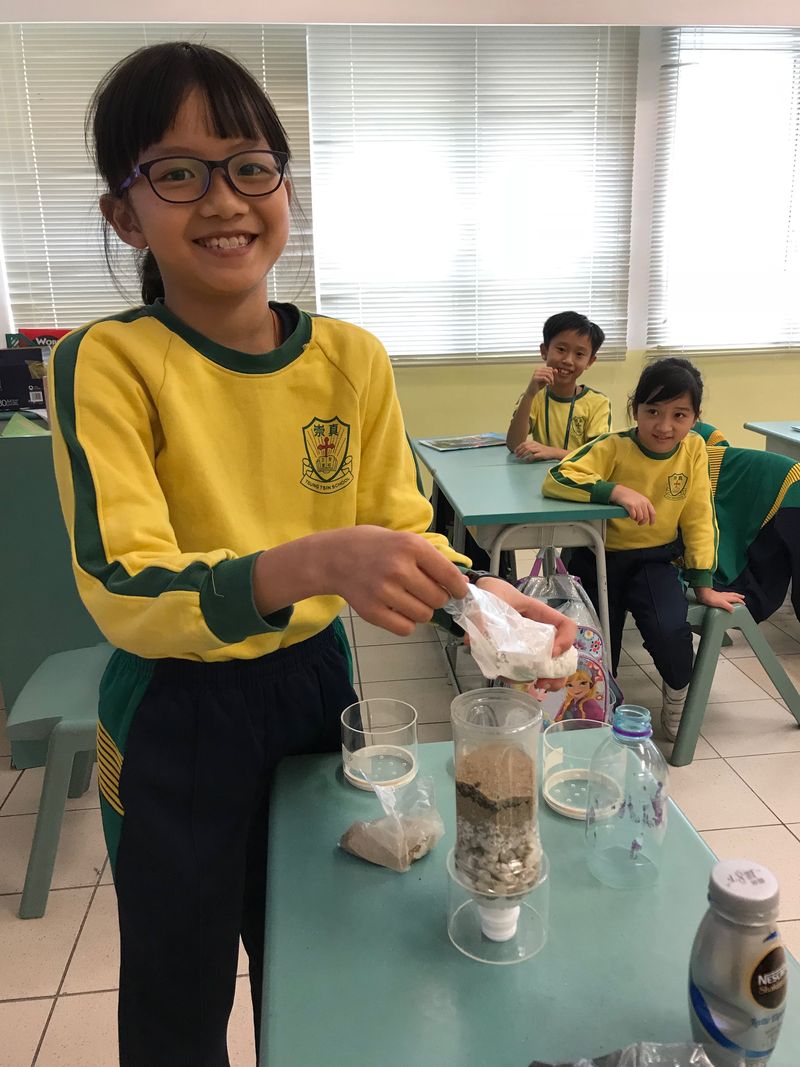
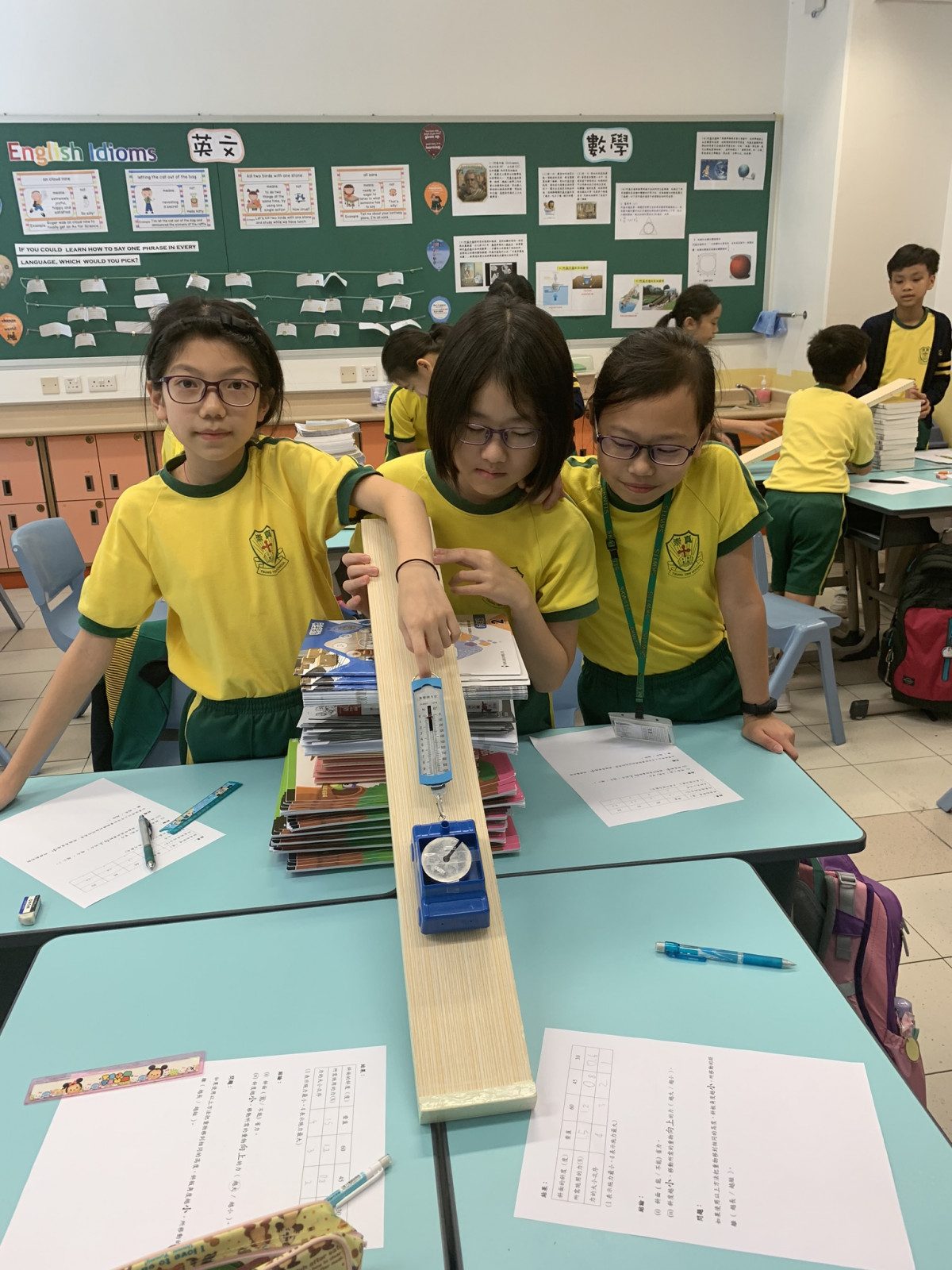
Students were divided into groups to conduct hands-on experiments, including making fruit batteries, testing conductivity, making their own water filters, light reflection, and inclined plane experiments.
2. Cultivate students' self-learning spirit
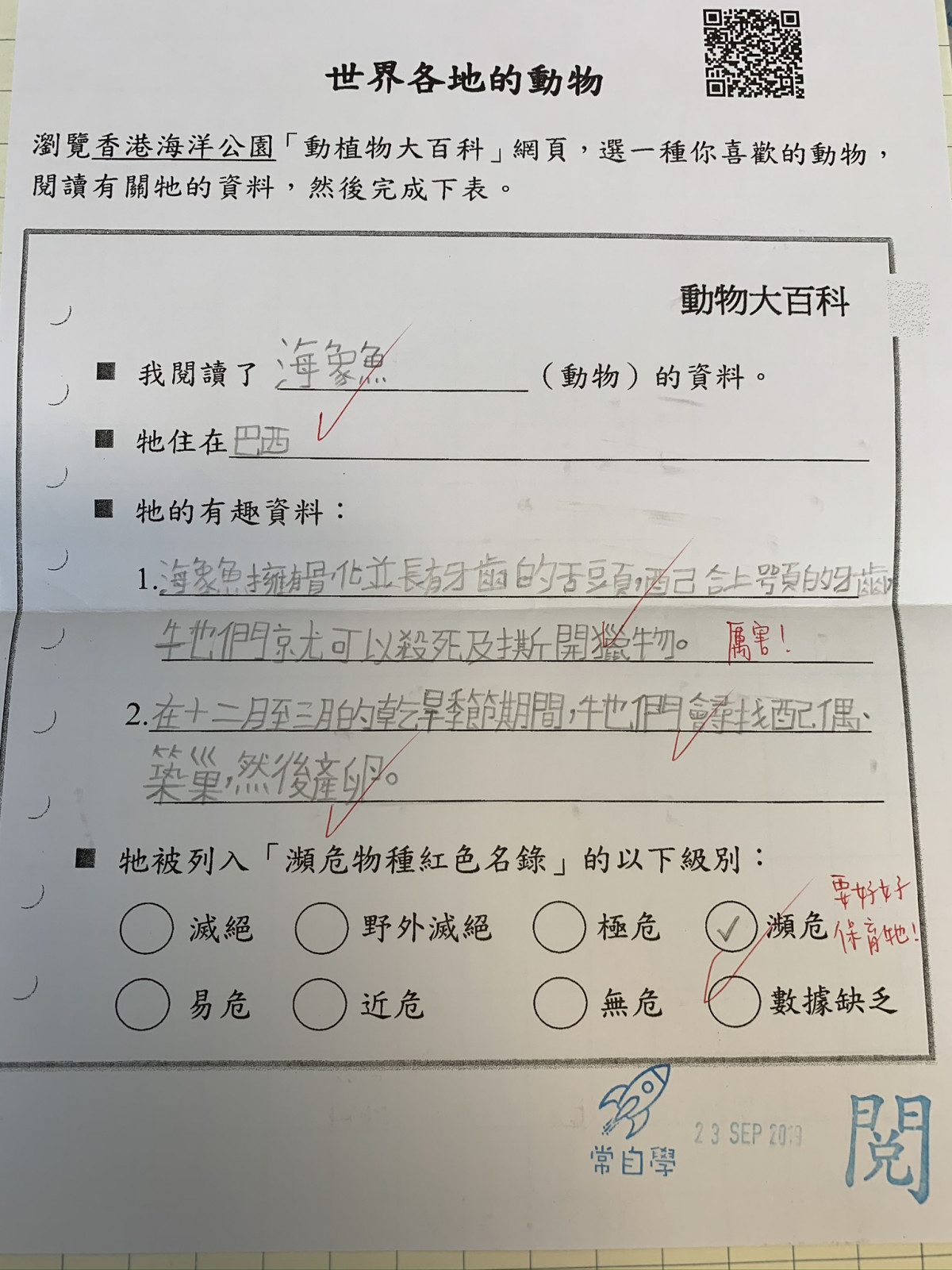
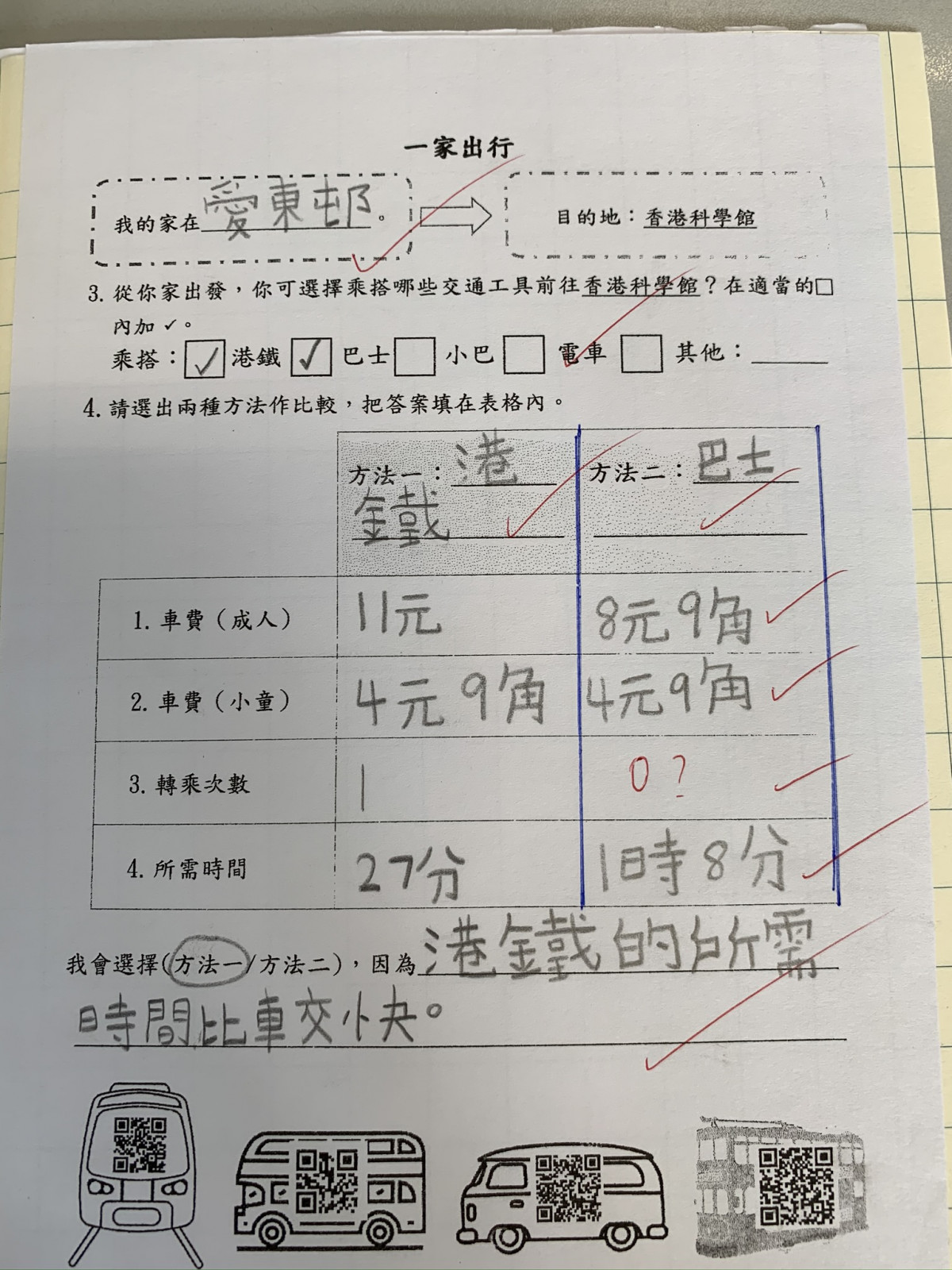
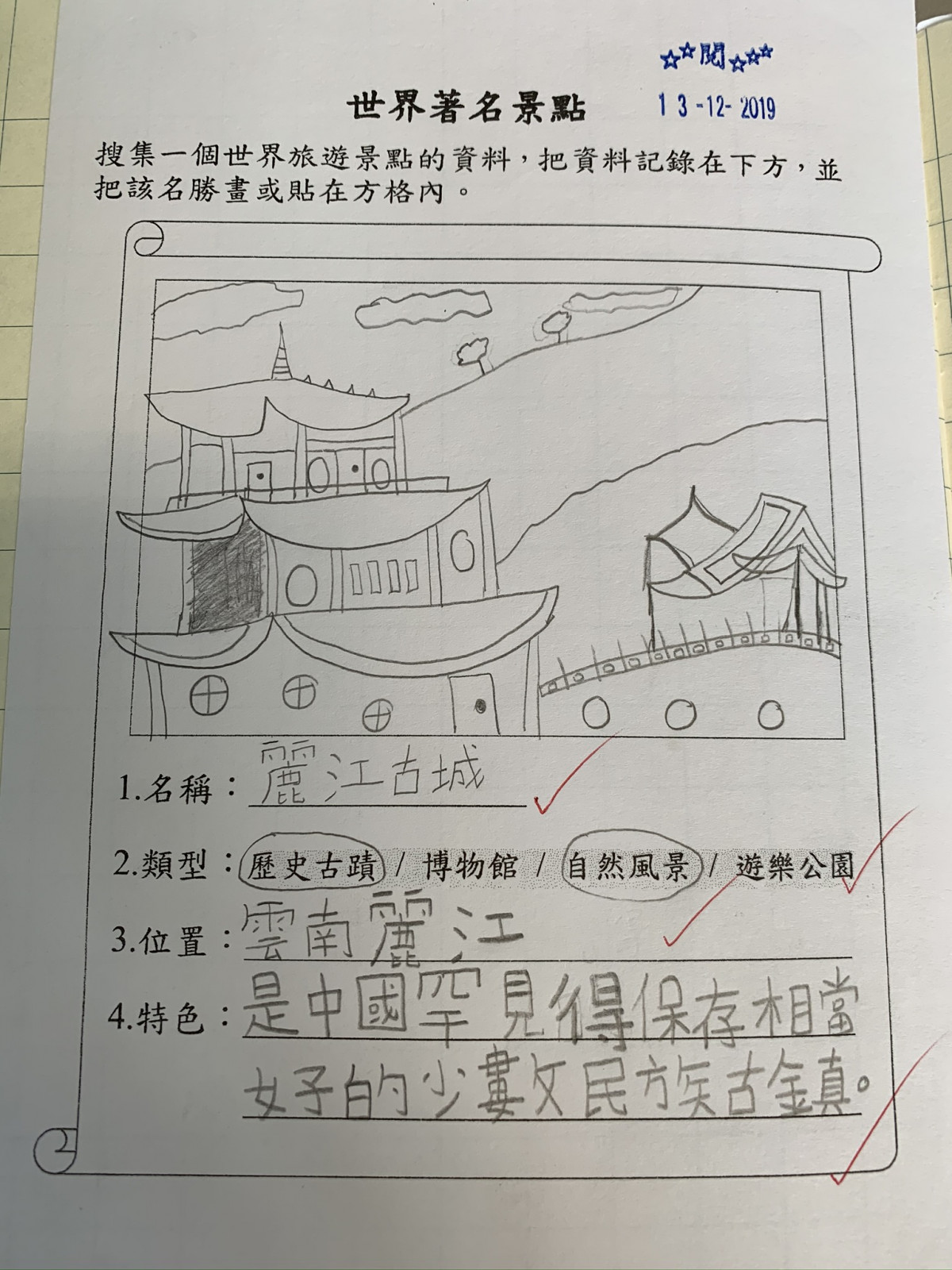
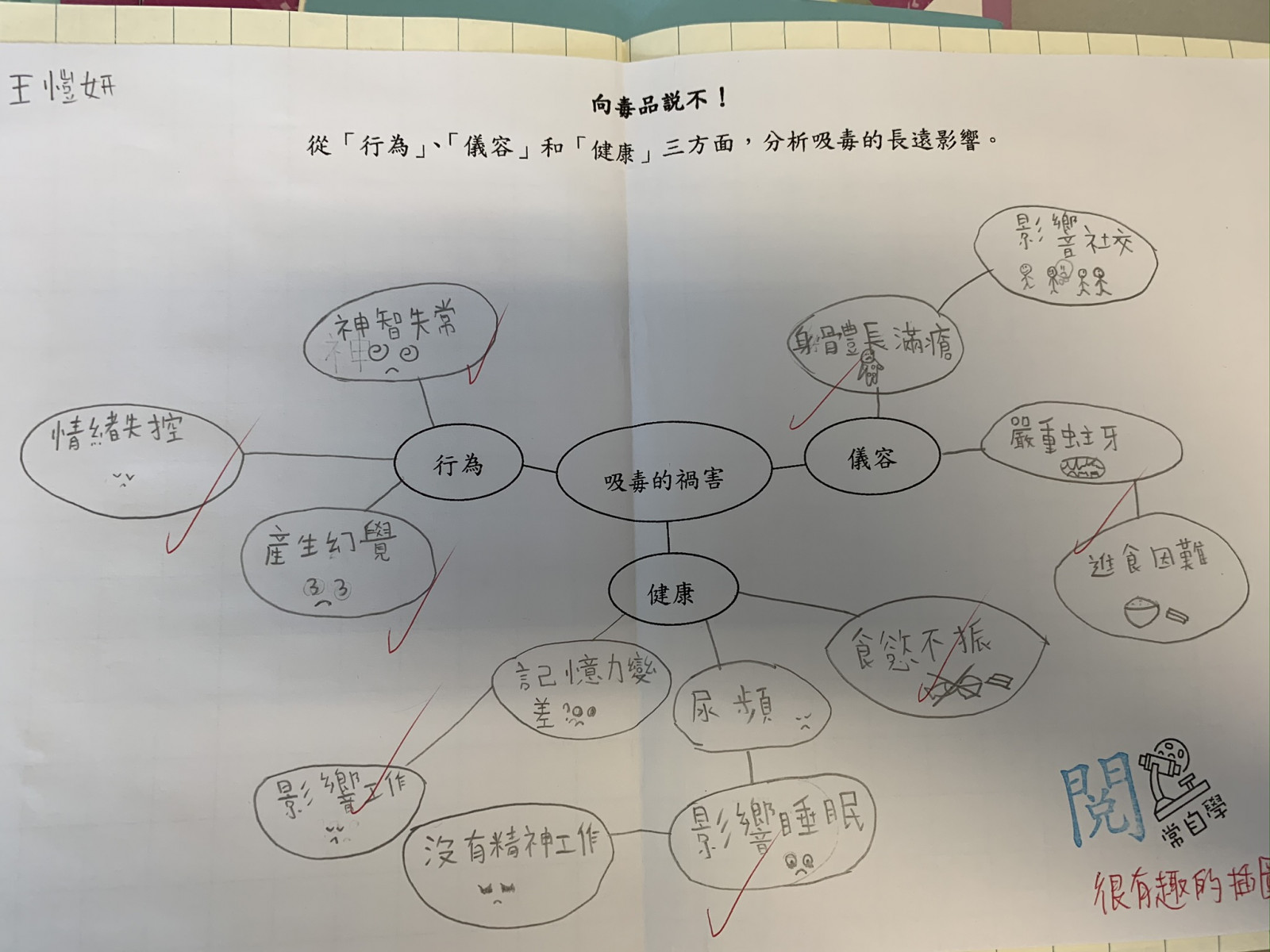
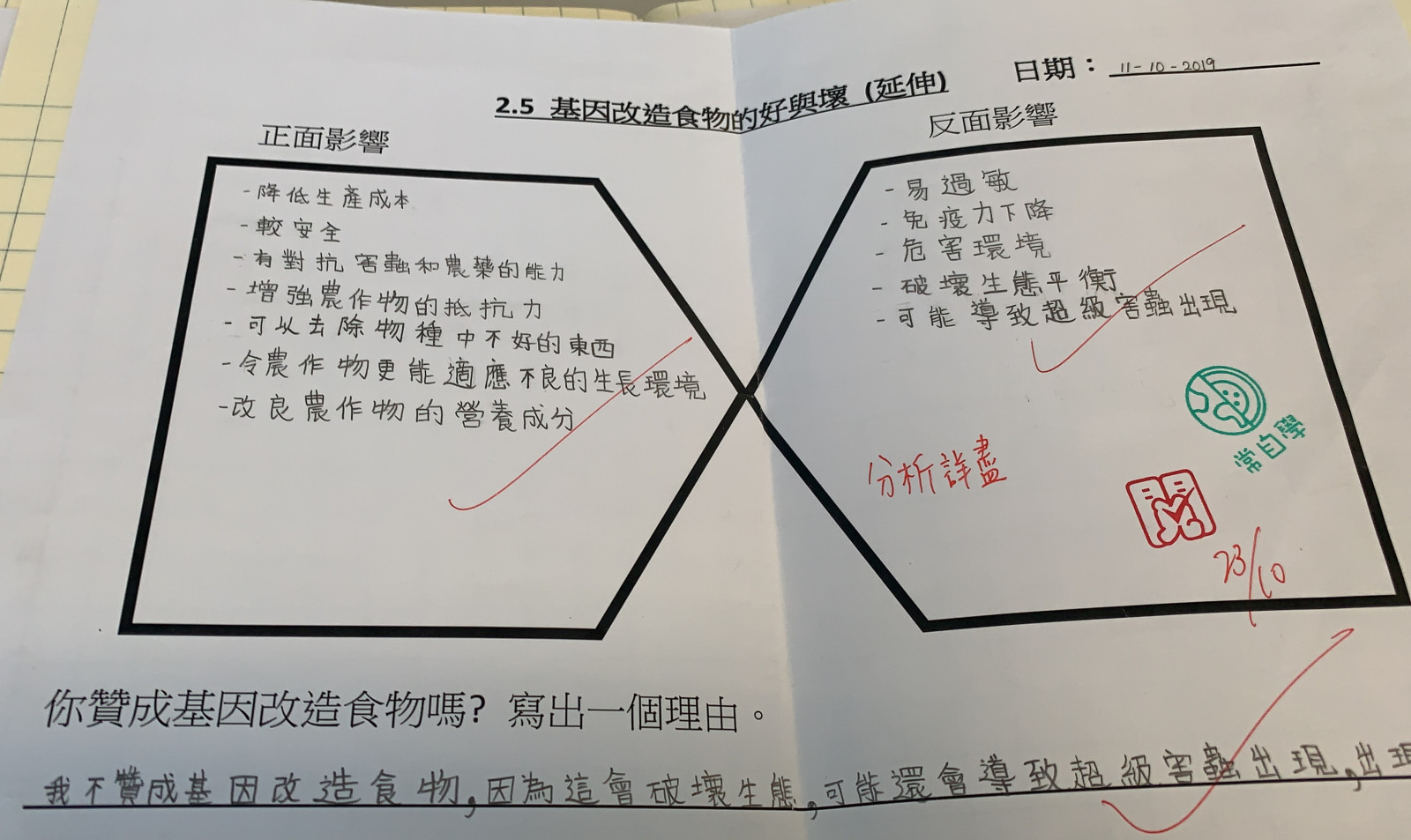
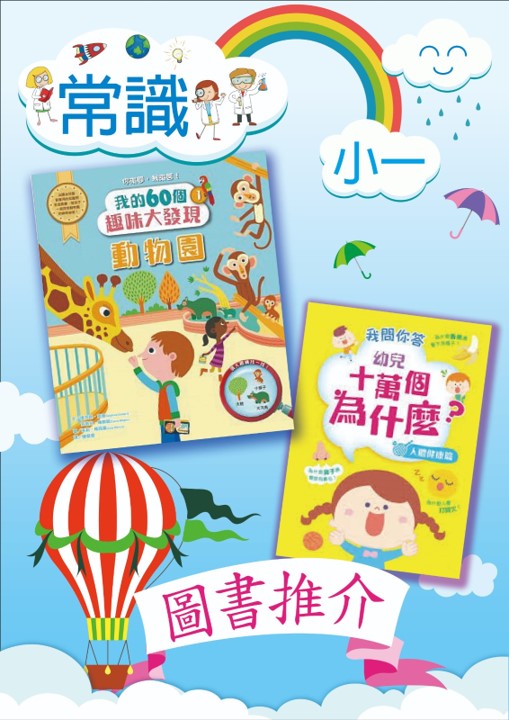
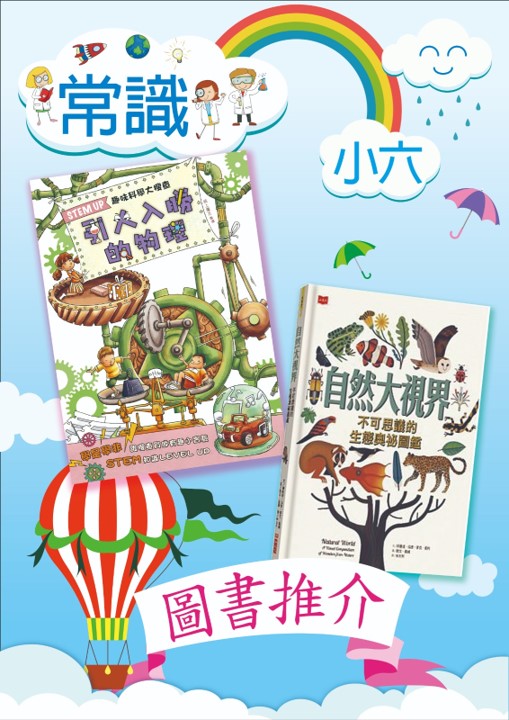
We have established a general knowledge self-study reward program to encourage students to be proactive in their learning, record their self-study experiences in a self-study notebook, and extend their learning! We also encourage students to read general knowledge books to learn more extracurricular knowledge!
3. Organize STEM break activities
The program is conducted in a graded manner, using experiments to enhance students' interest in science, consolidate their knowledge, and extend and apply it to daily life.
Grades 1-2 (Theme: Magnetism)
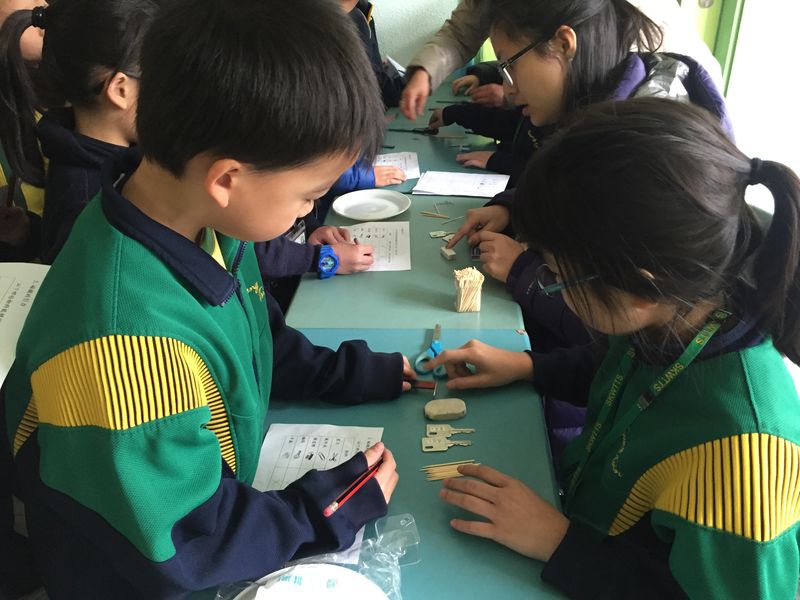
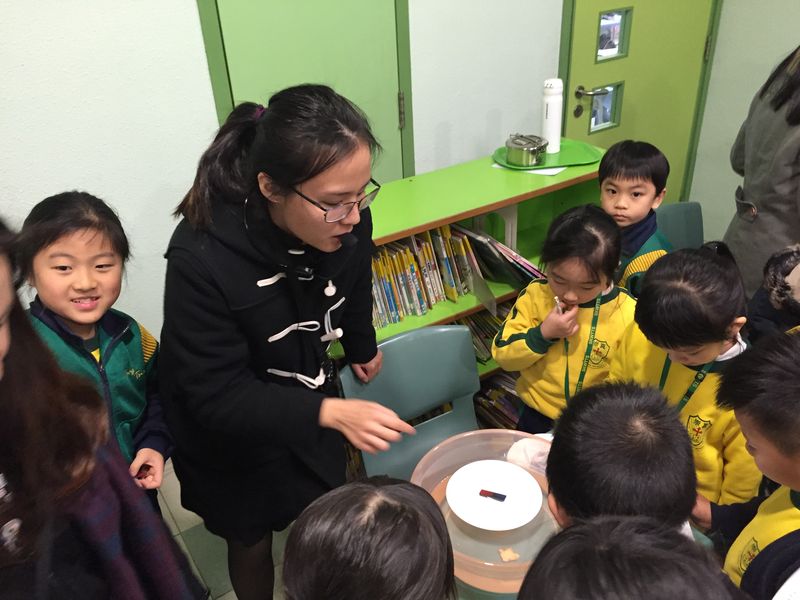
Students tested which items could be attracted by a magnet. By observing a homemade compass in water (with a magnet attached to a paper plate), they understood that the direction the compass pointed to would not change when the paper plate was rotated.
Grades 3-4 (Theme: Water Tension)
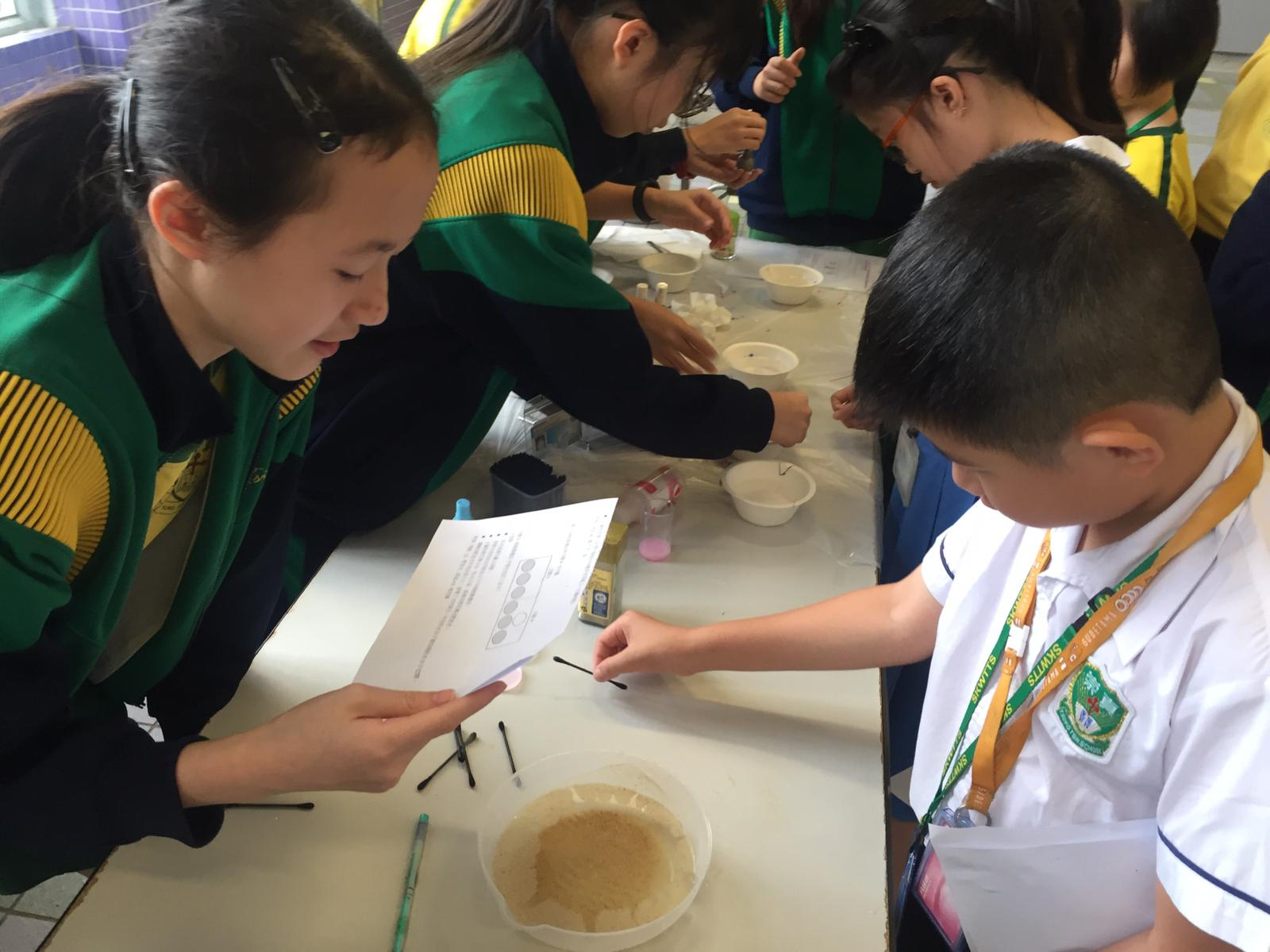
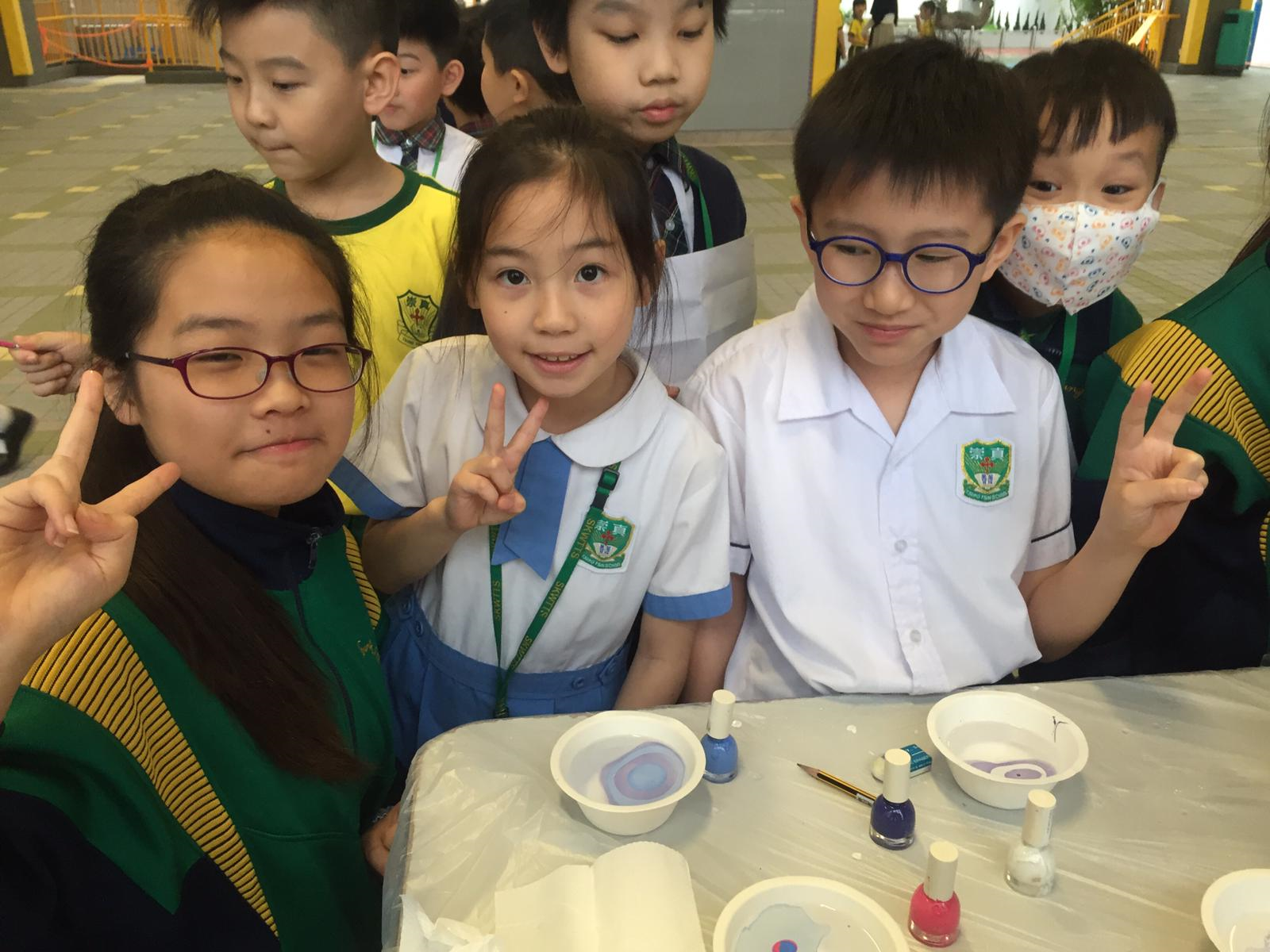
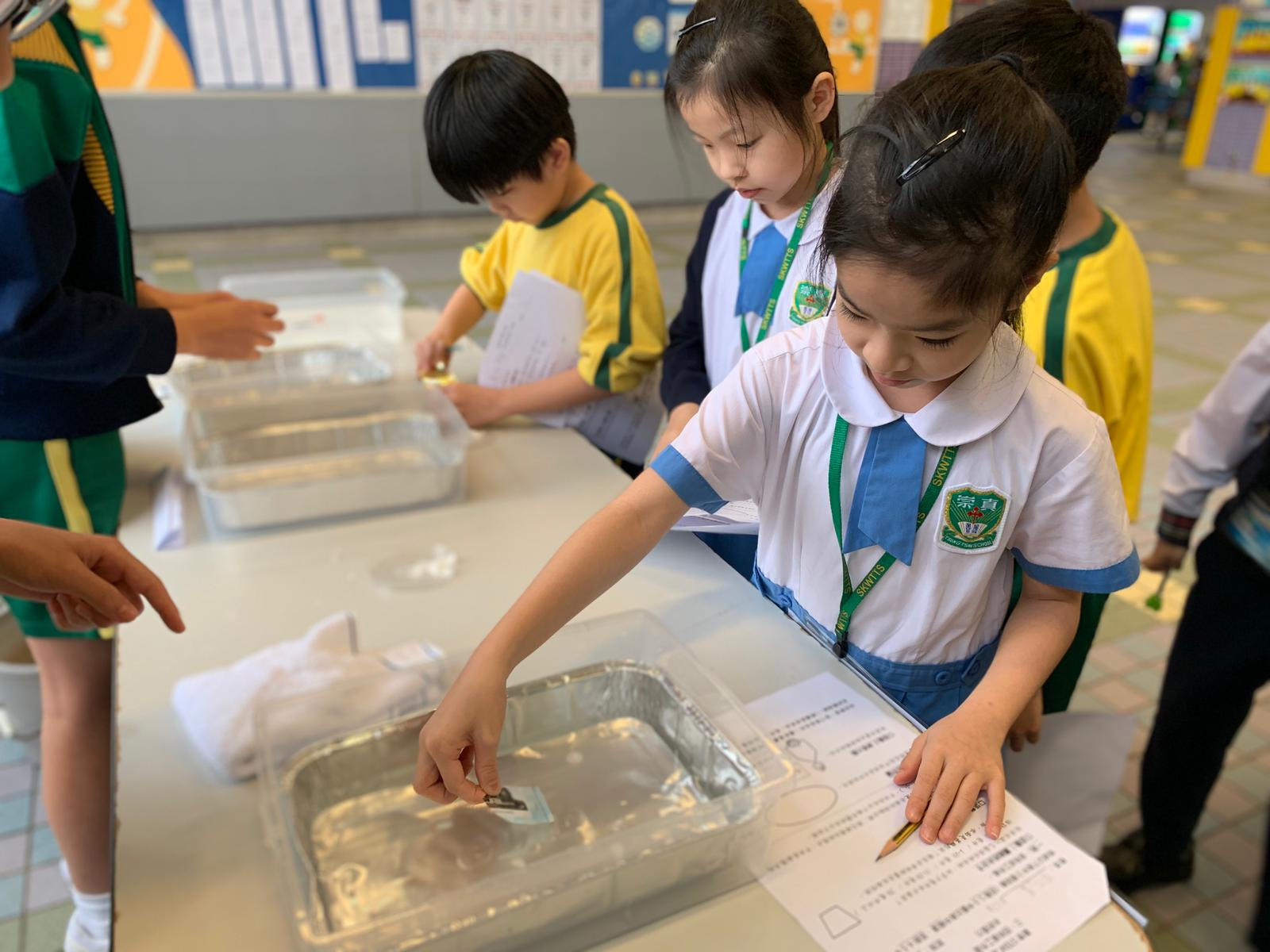
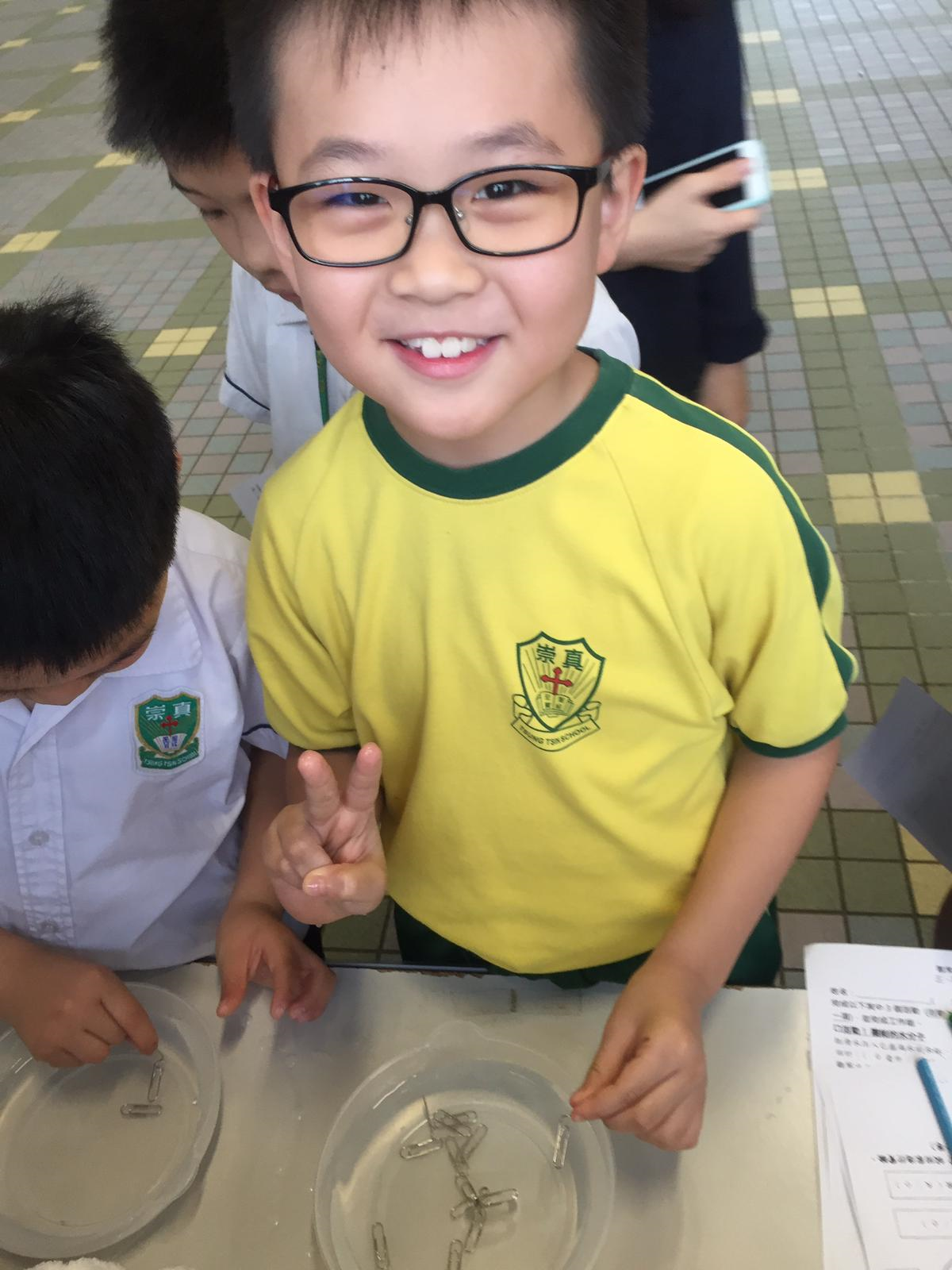
Students conducted experiments such as "painting in water," "a floating swastika," "peppers standing aside," and "the magic boat" to understand the scientific concept of water surface tension.
Grades 3-4 (Theme: Homemade Ice Cream)
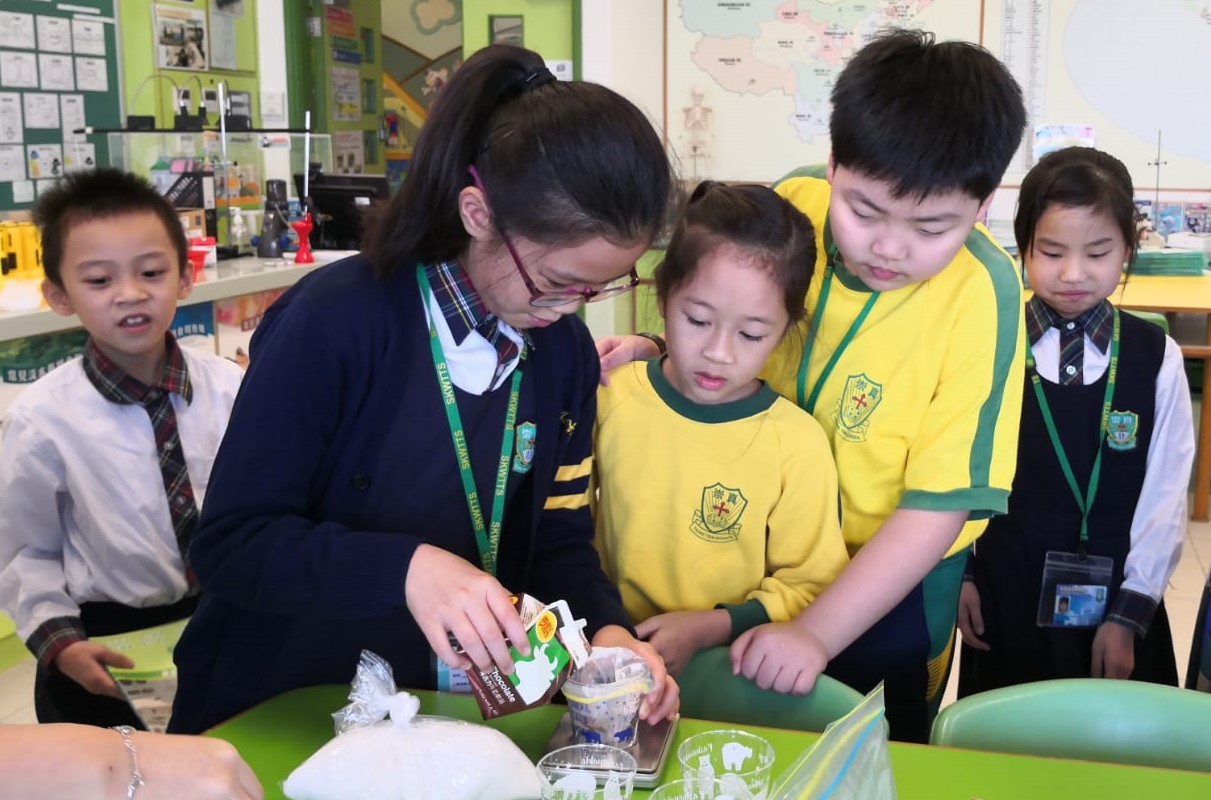
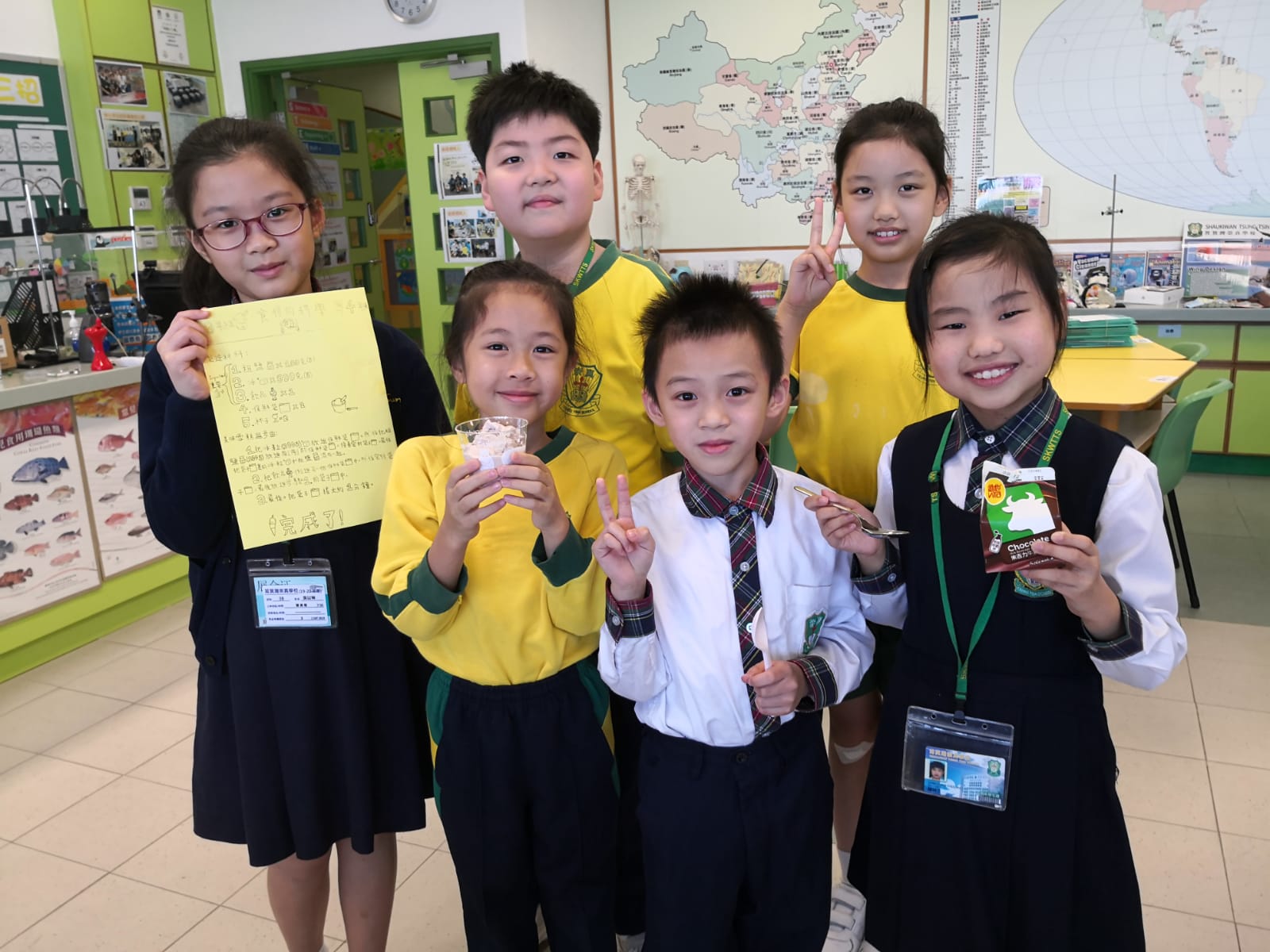
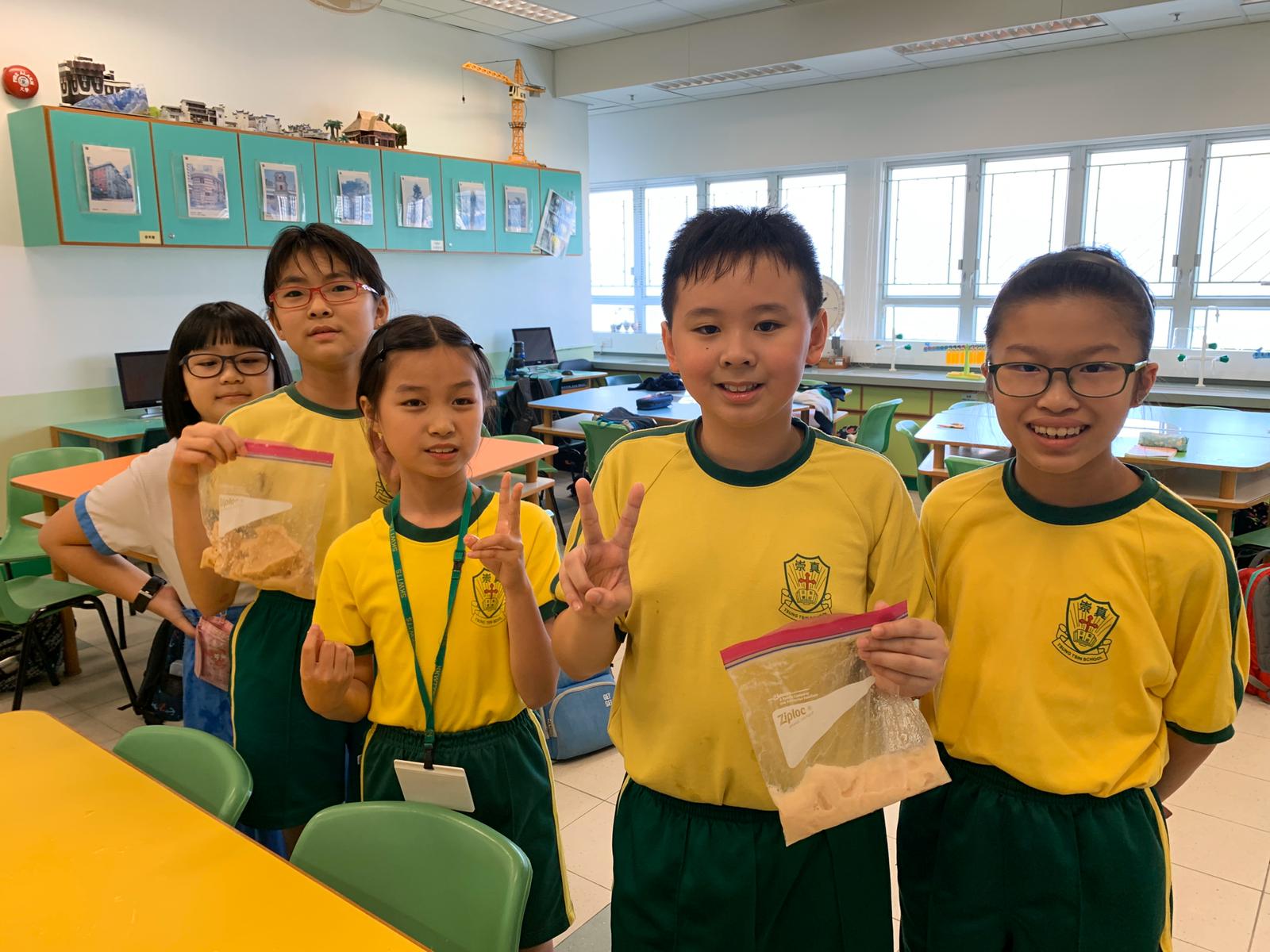
Students use ice cubes, salt, and beverages (such as milk, chocolate milk, or juice) to shake, shake, shake, using the scientific principle that salt lowers the melting point of ice to make delicious ice cream.
Grades 5-6 (Topic: Acidity and alkalinity of substances)
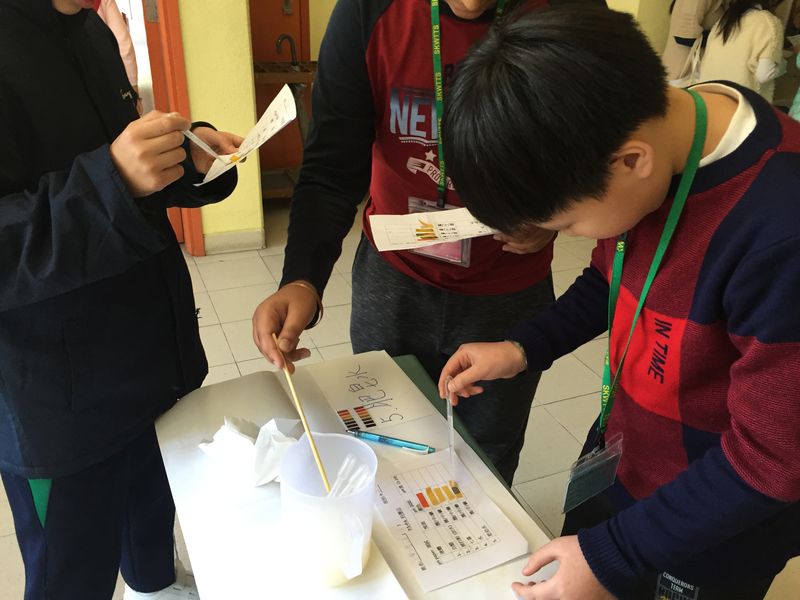
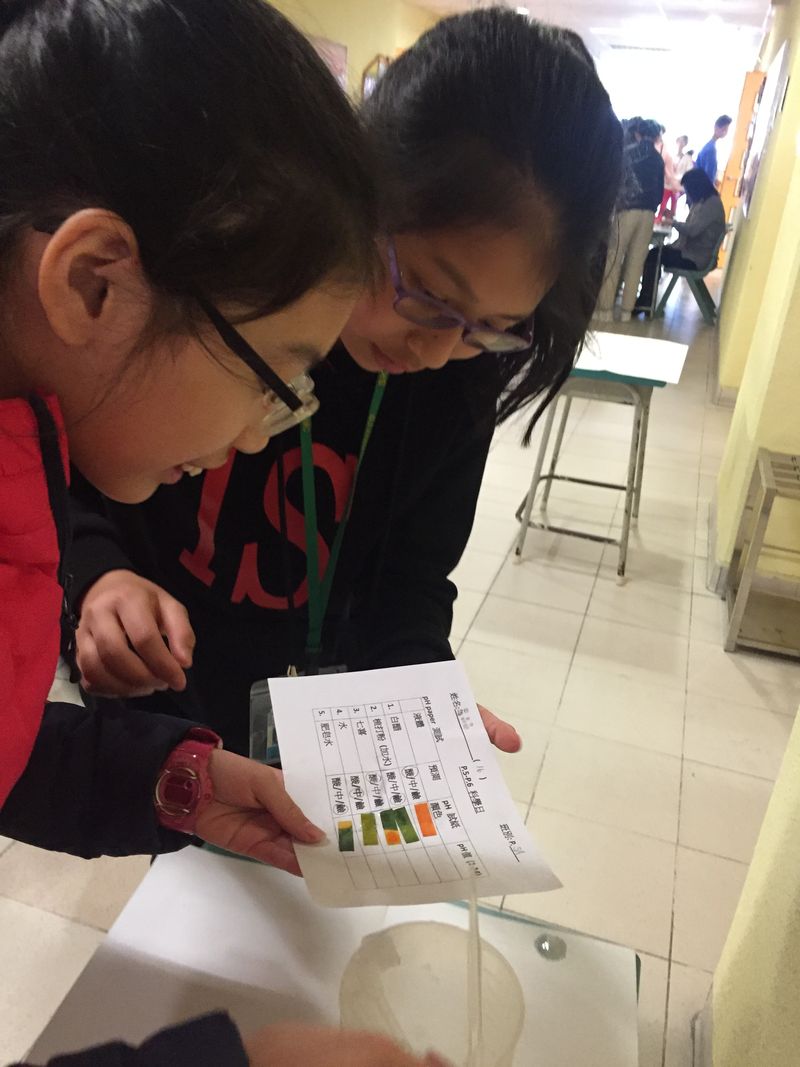
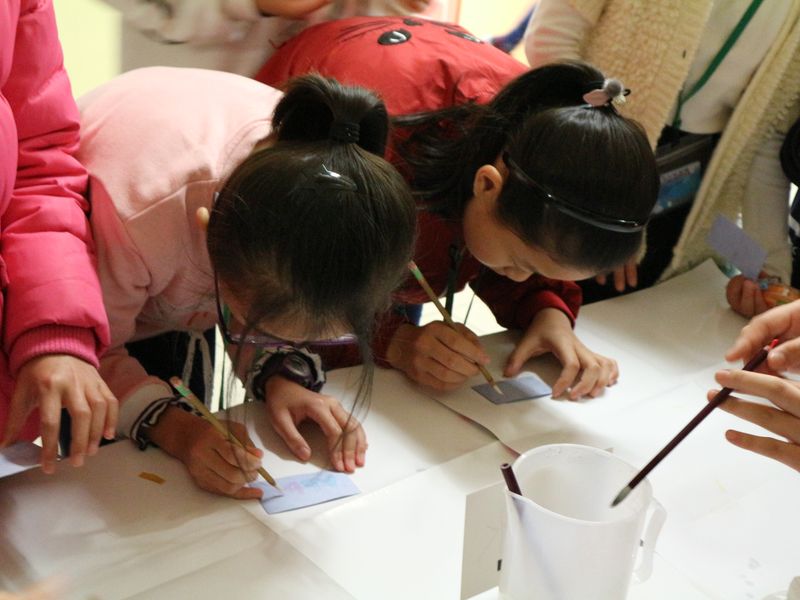
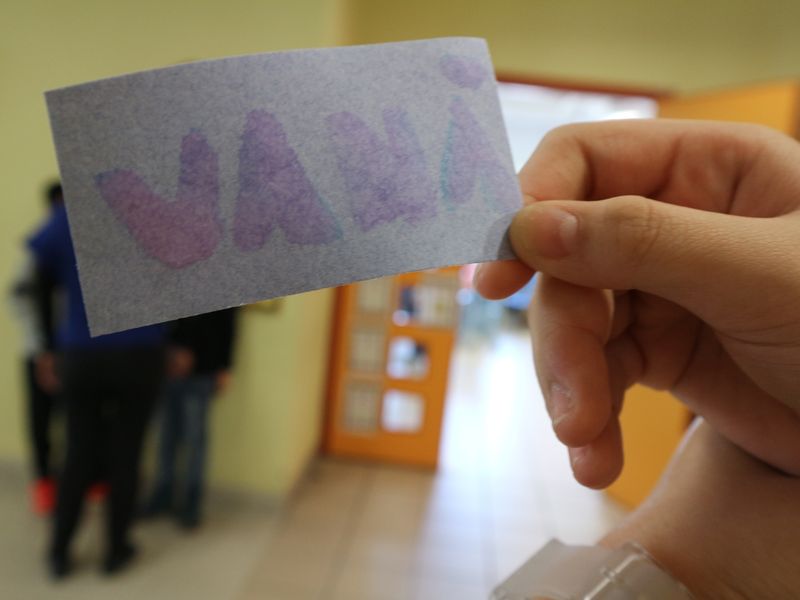
Students used pH test strips to test the acidity or alkalinity of everyday liquids, such as white vinegar and soapy water, and used purple cabbage juice as a natural dye (turning pink in acidic conditions and blue in alkaline conditions) to make small cards.
4. STEM activities at home
During the school closure, teachers personally filmed experimental videos to encourage students to conduct hands-on experiments at home and experience the fun of STEM!
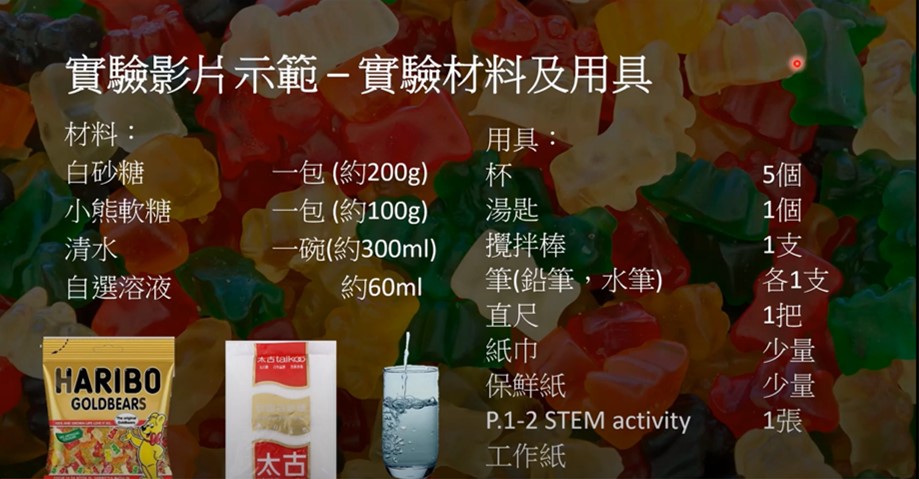
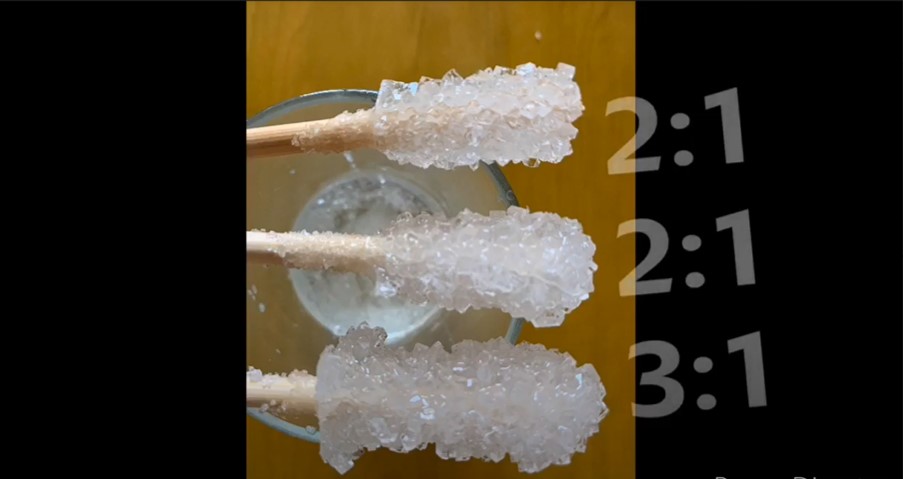
Students conduct scientific experiments through prediction, observation, and summarization, while also using mathematical elements (such as measurement and capacity) to complete the experiments, thus combining mathematics and science.
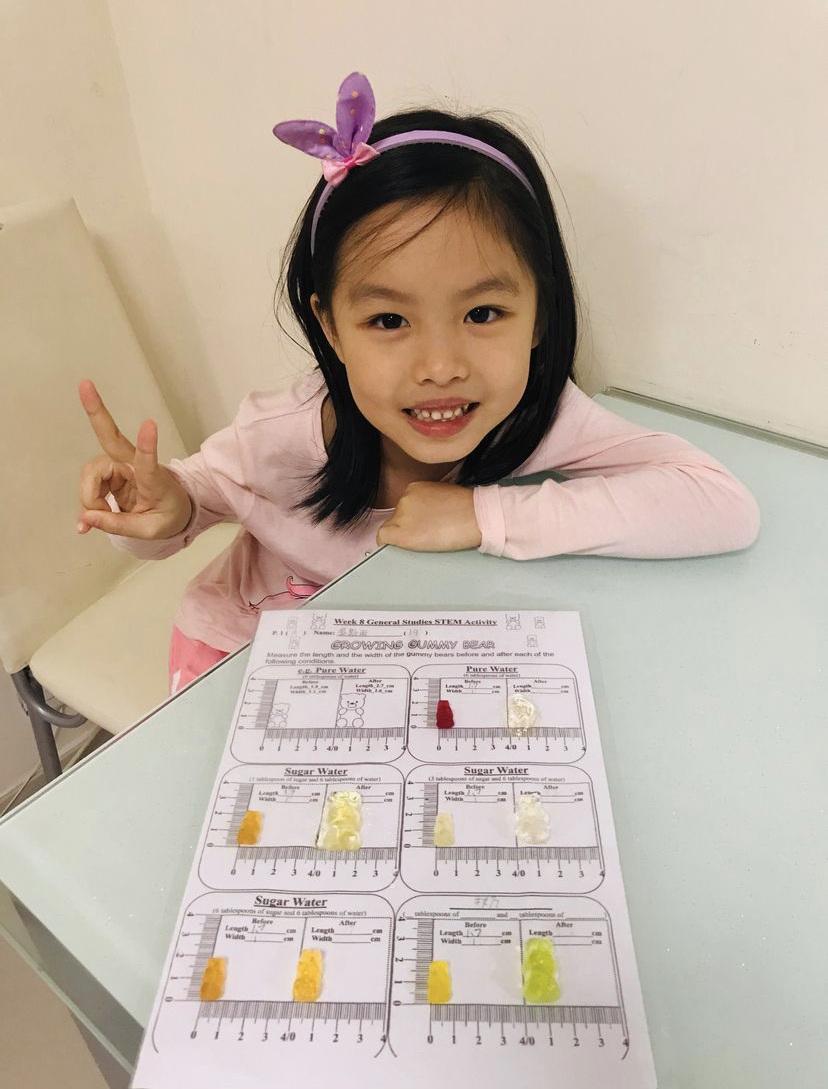
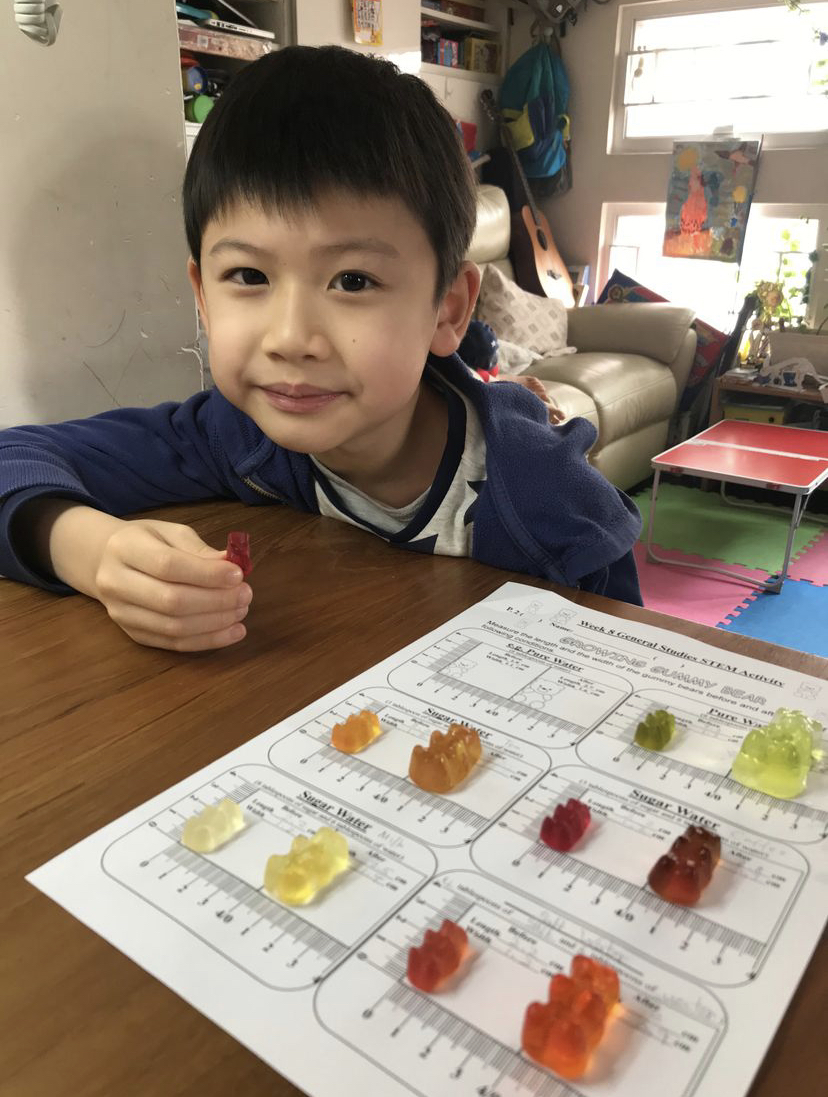
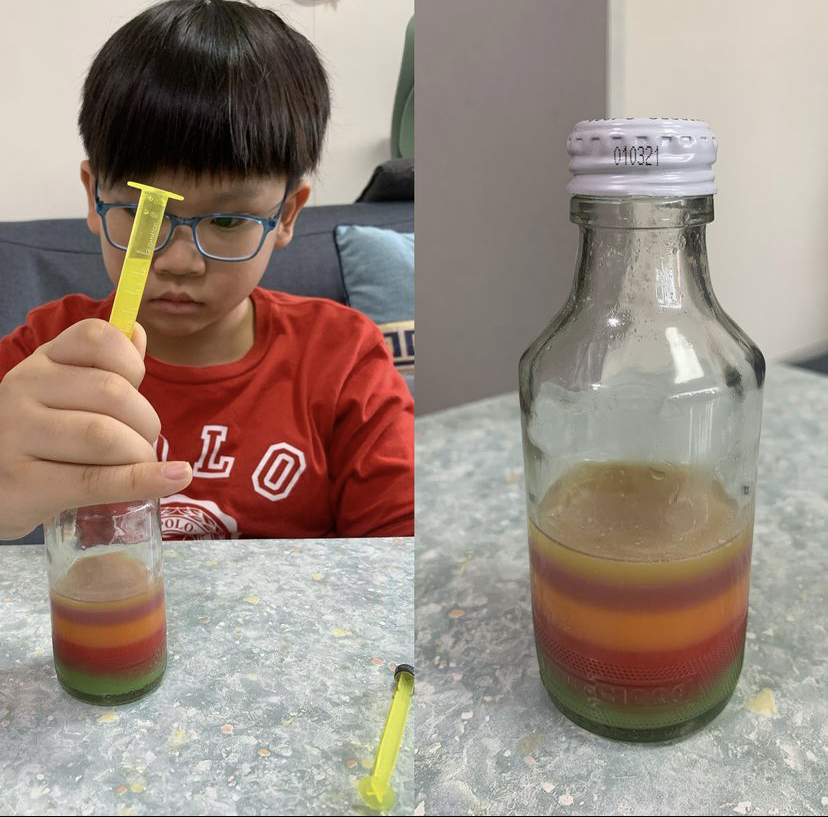
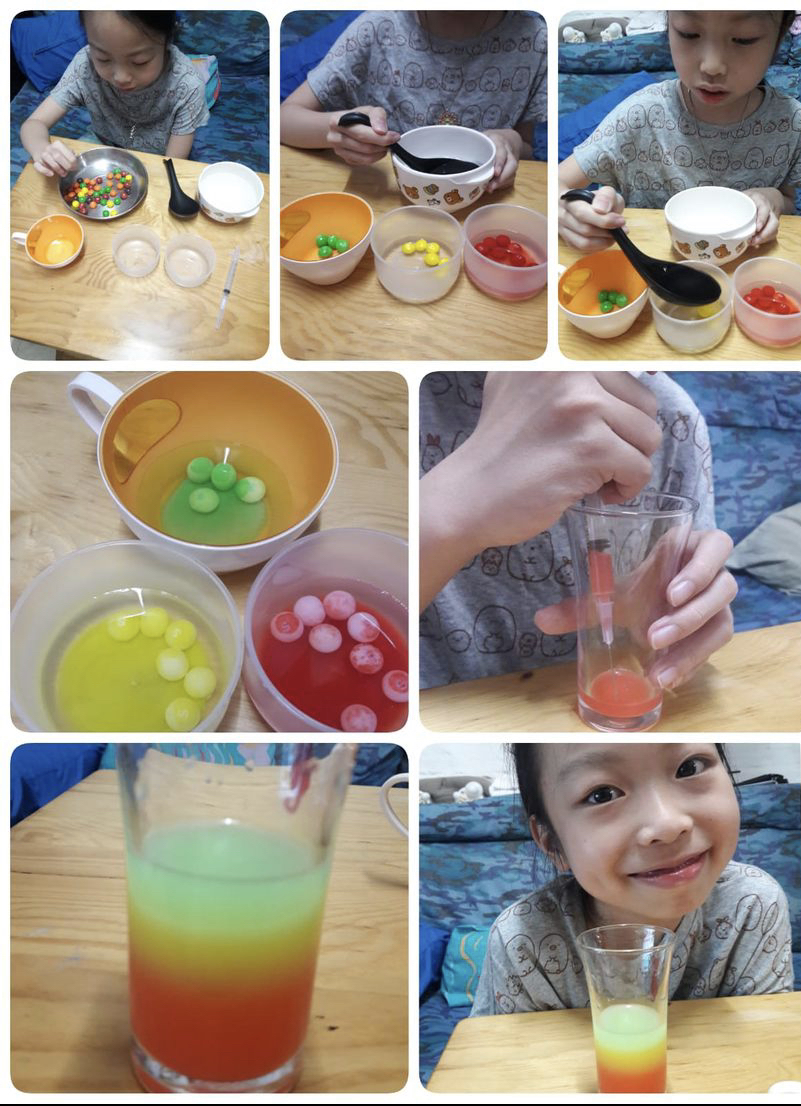
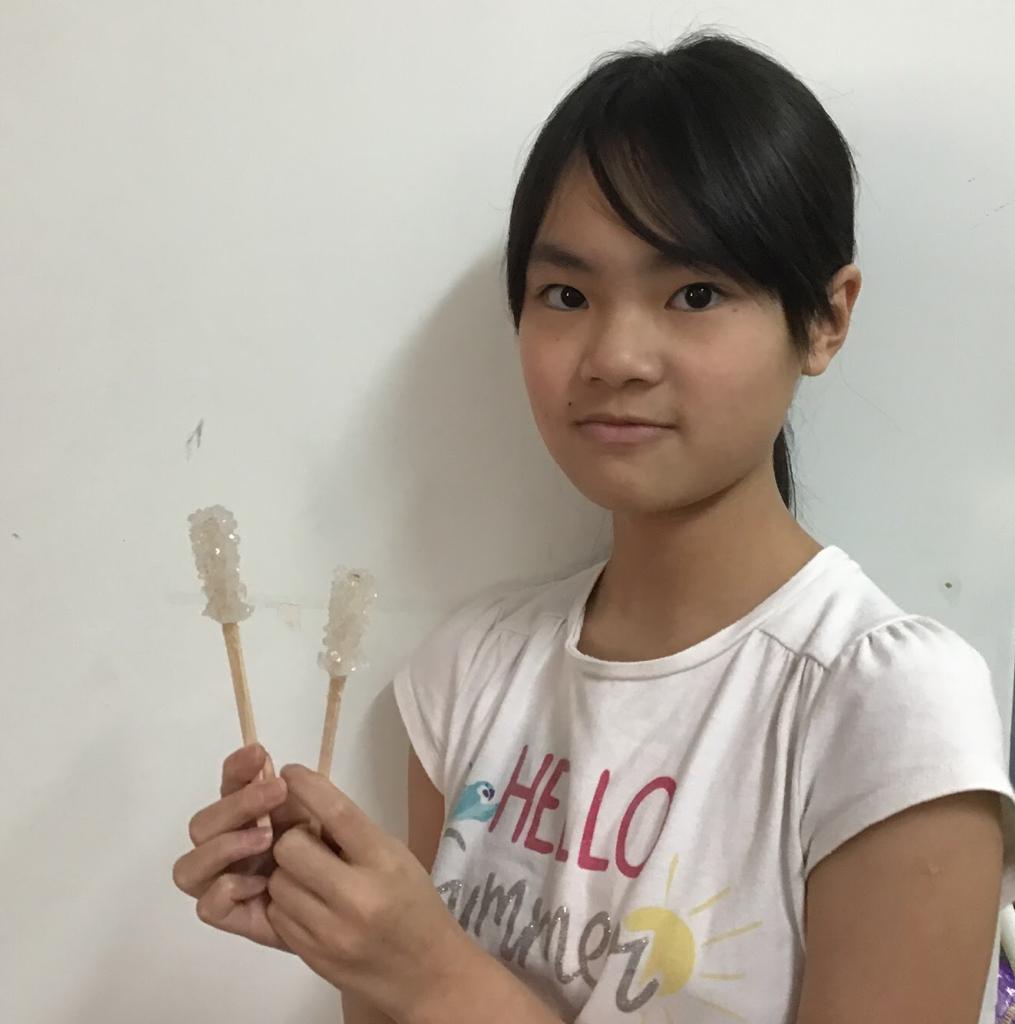
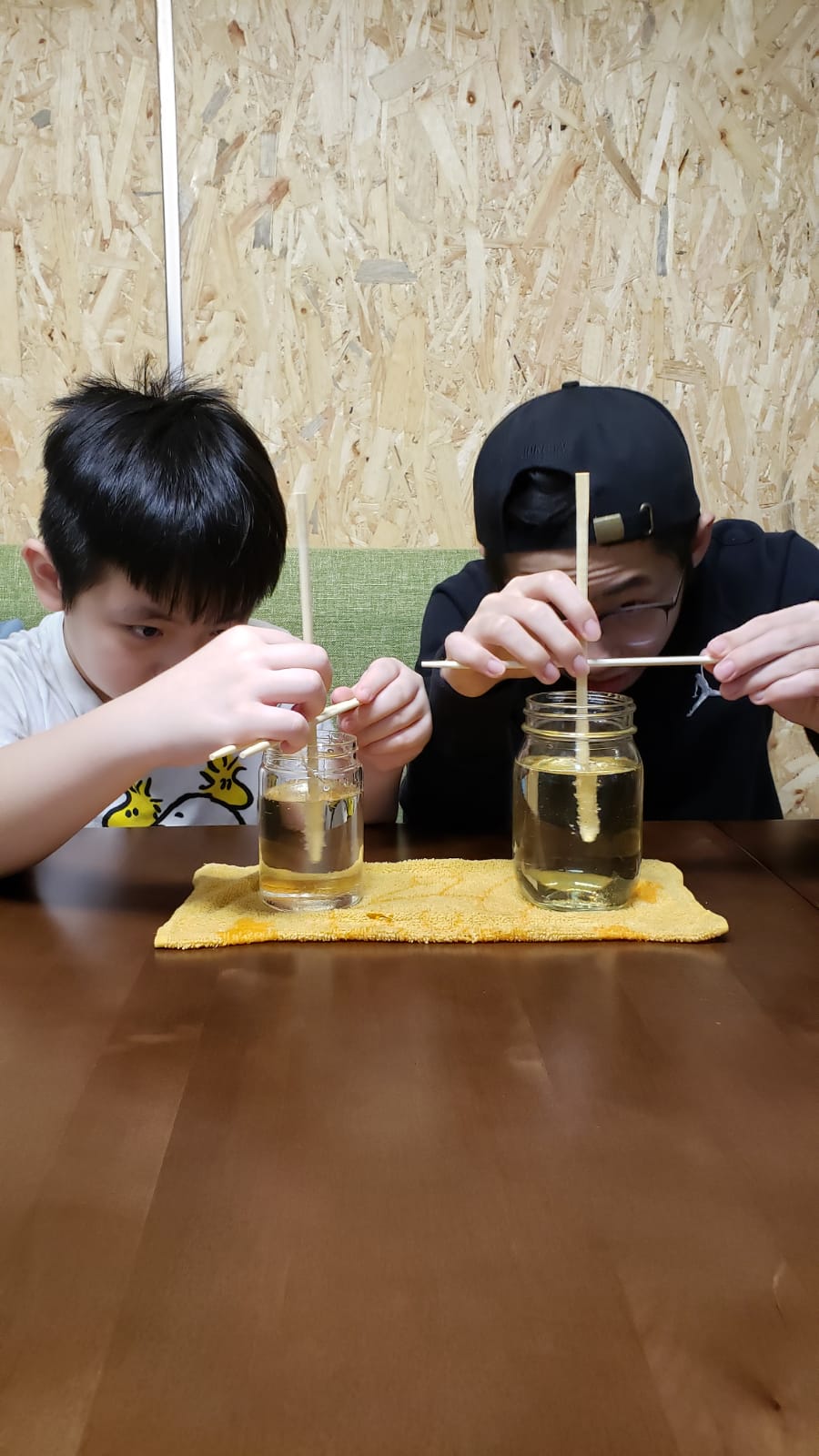
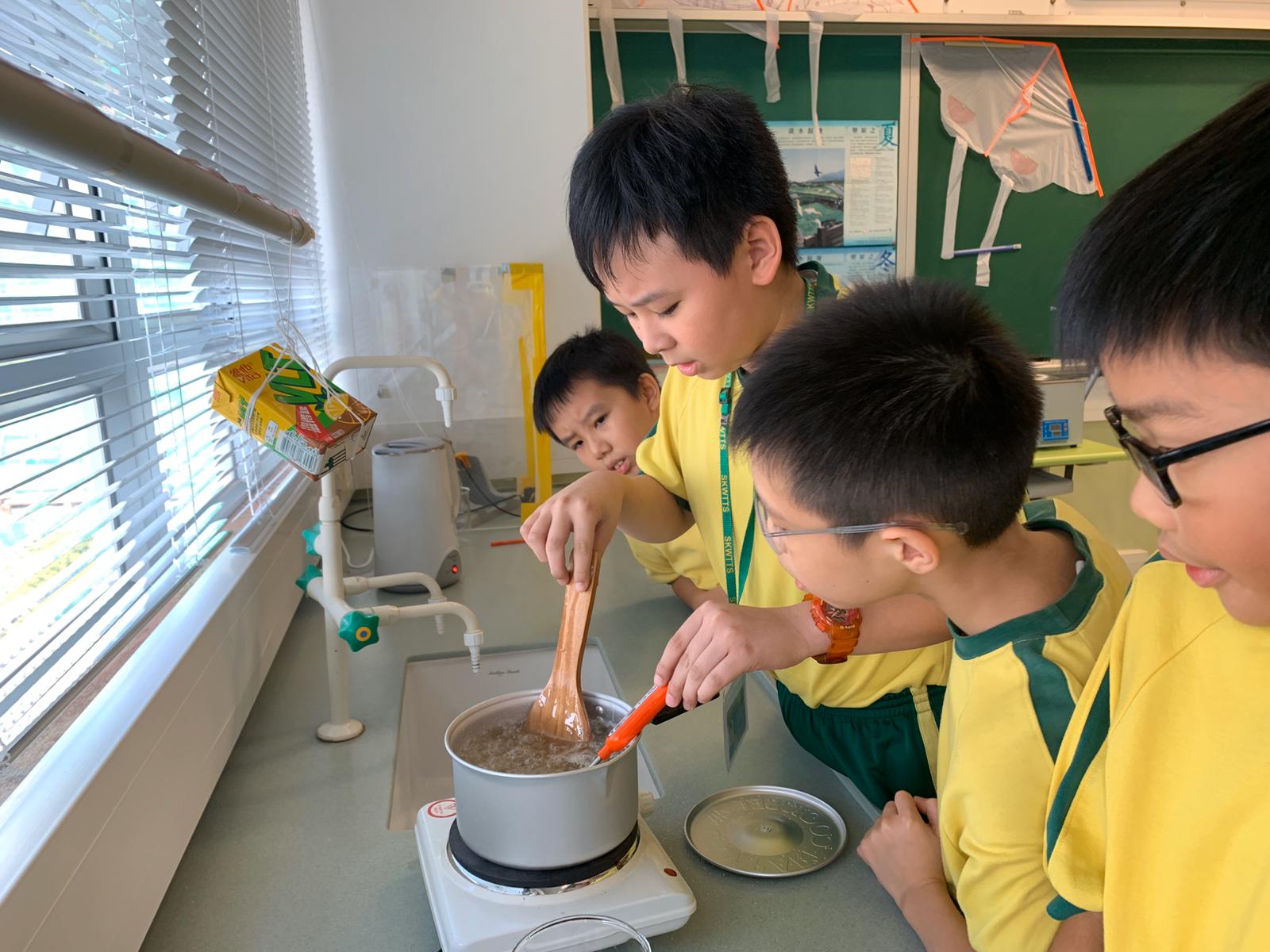
The theme for grades 1-2 is "Gummy Bears Grow Bigger"; the theme for grades 3-4 is "Rainbow Tower"; and the theme for grades 5-6 is "Ice Crystal Lollipop".
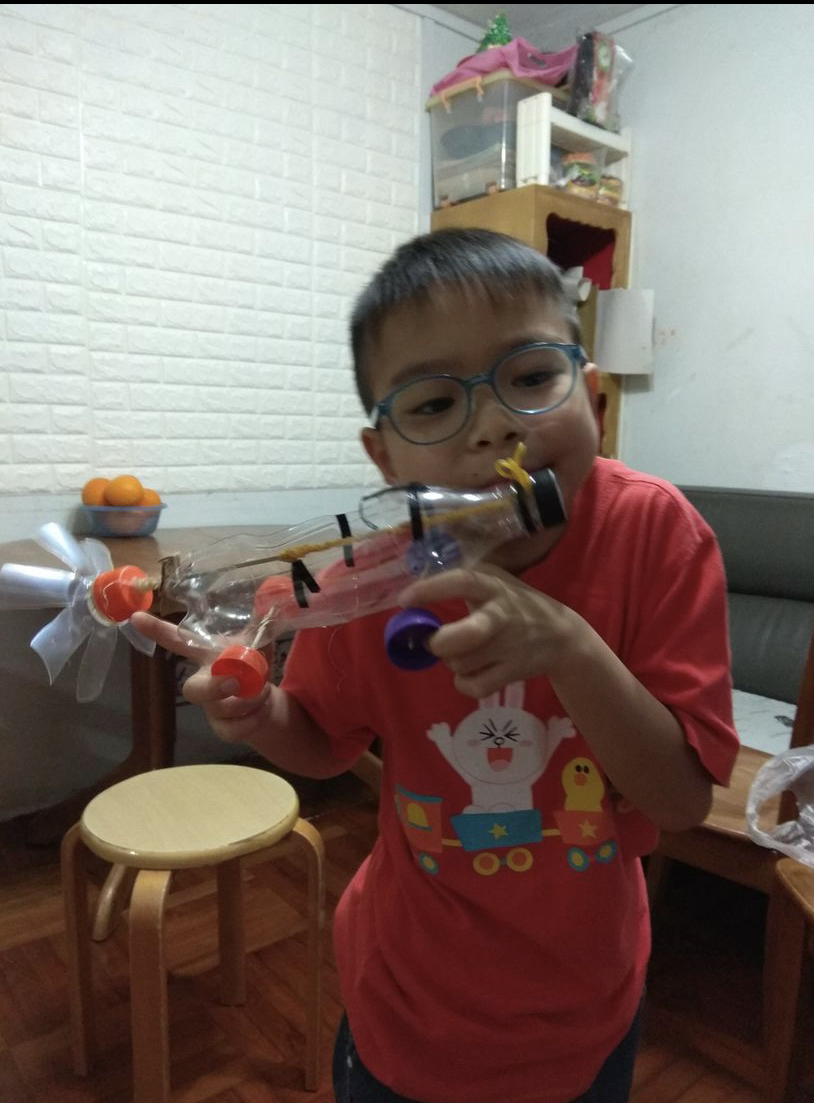
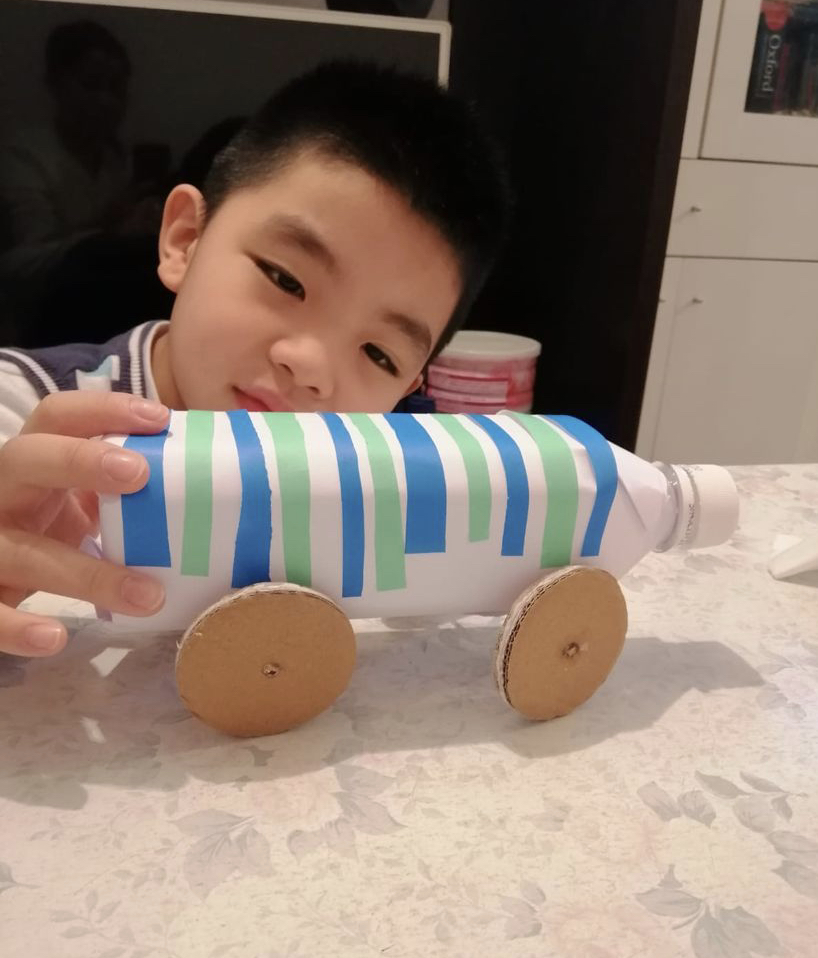
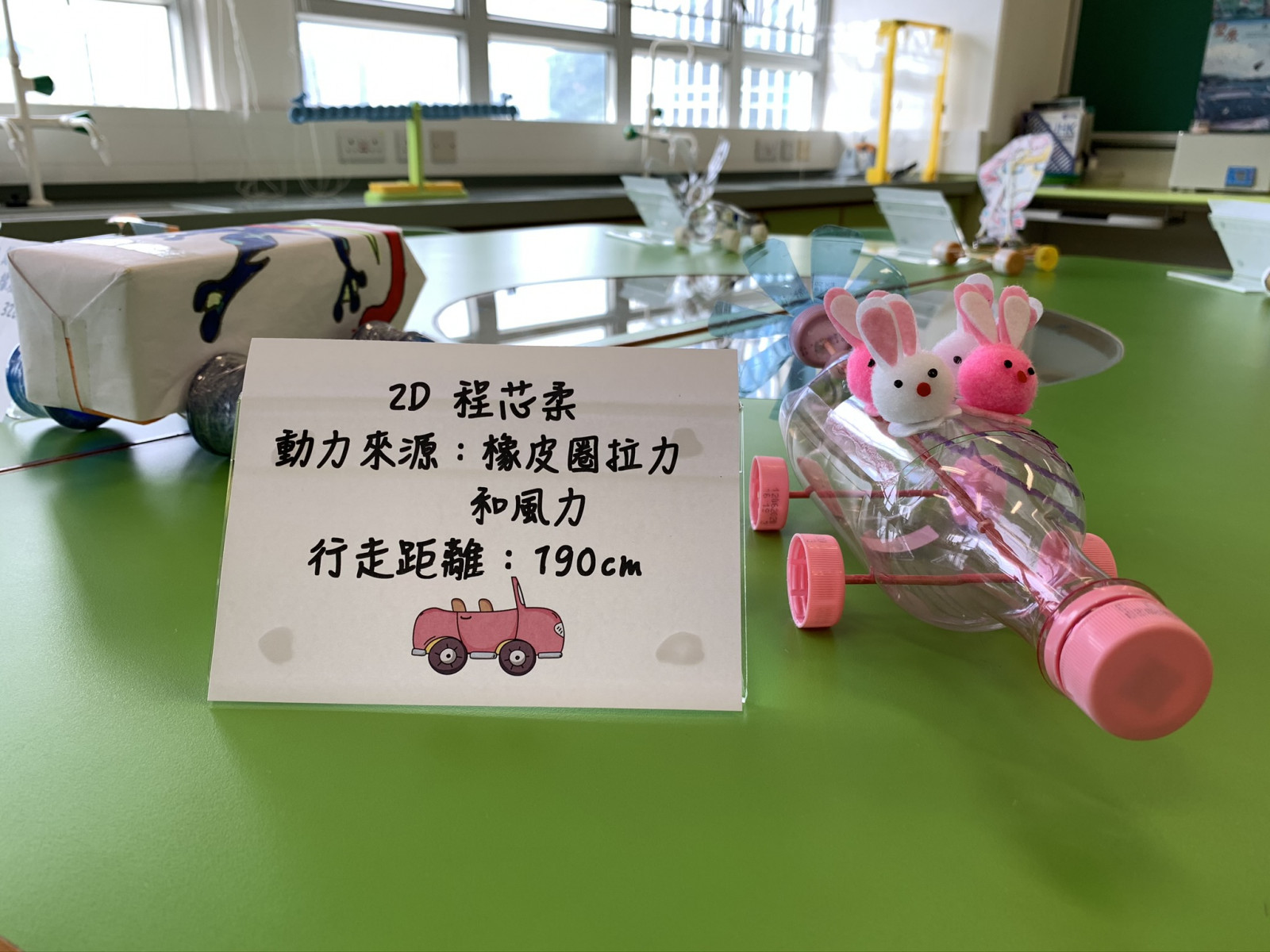
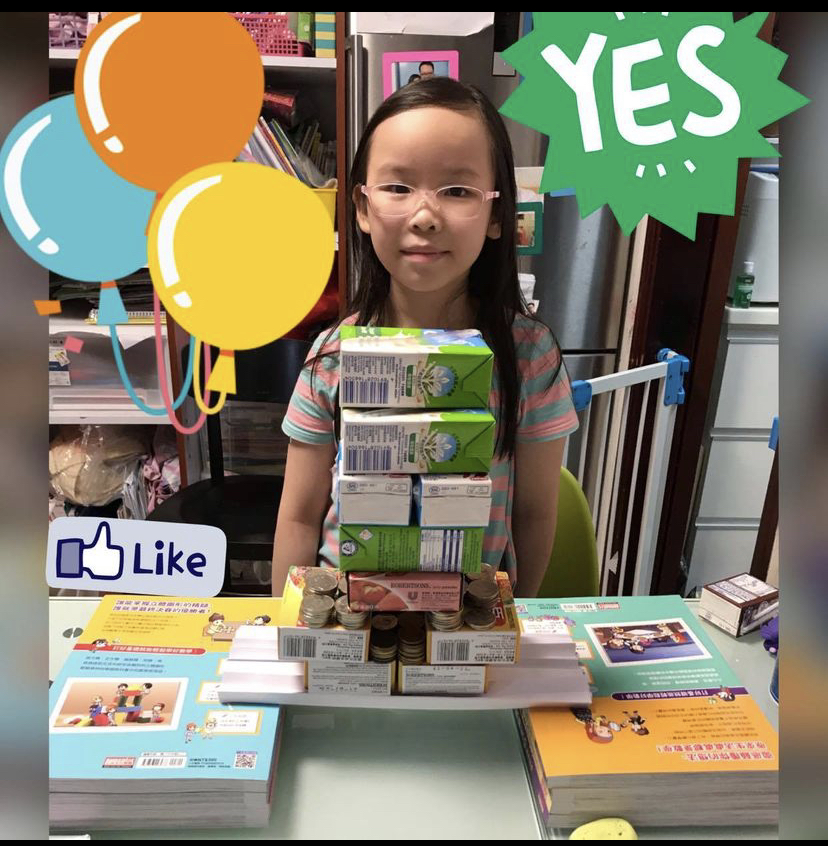
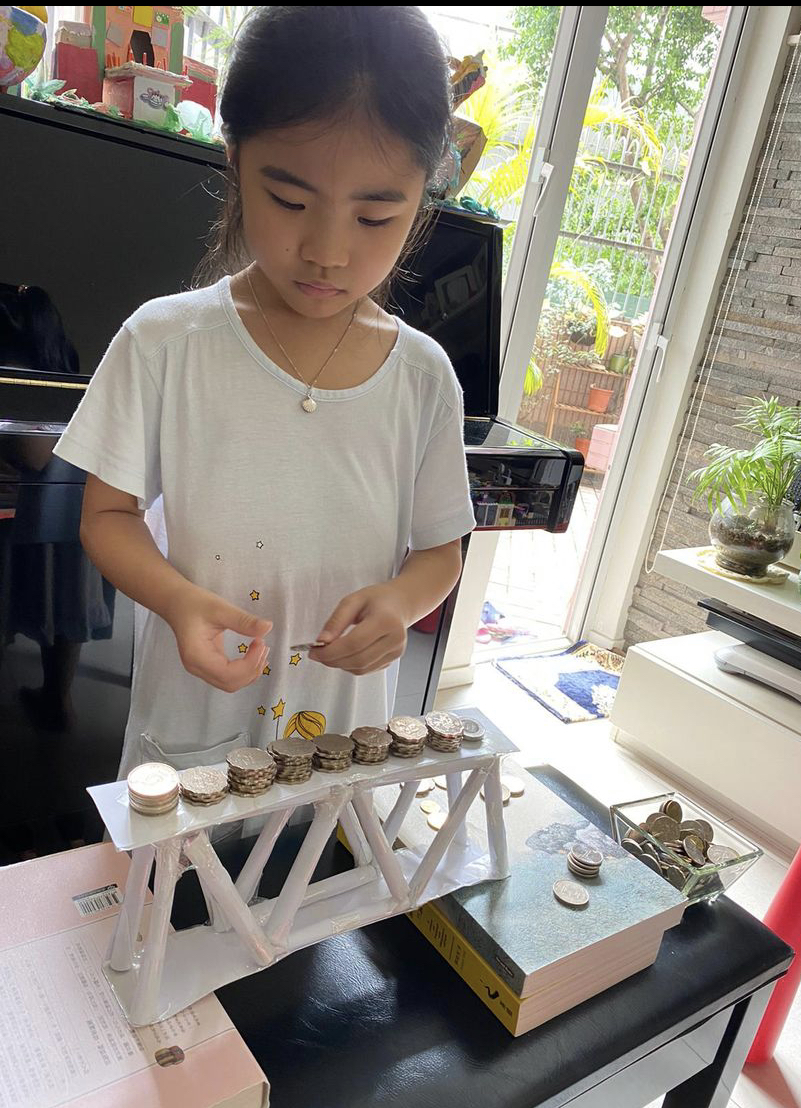
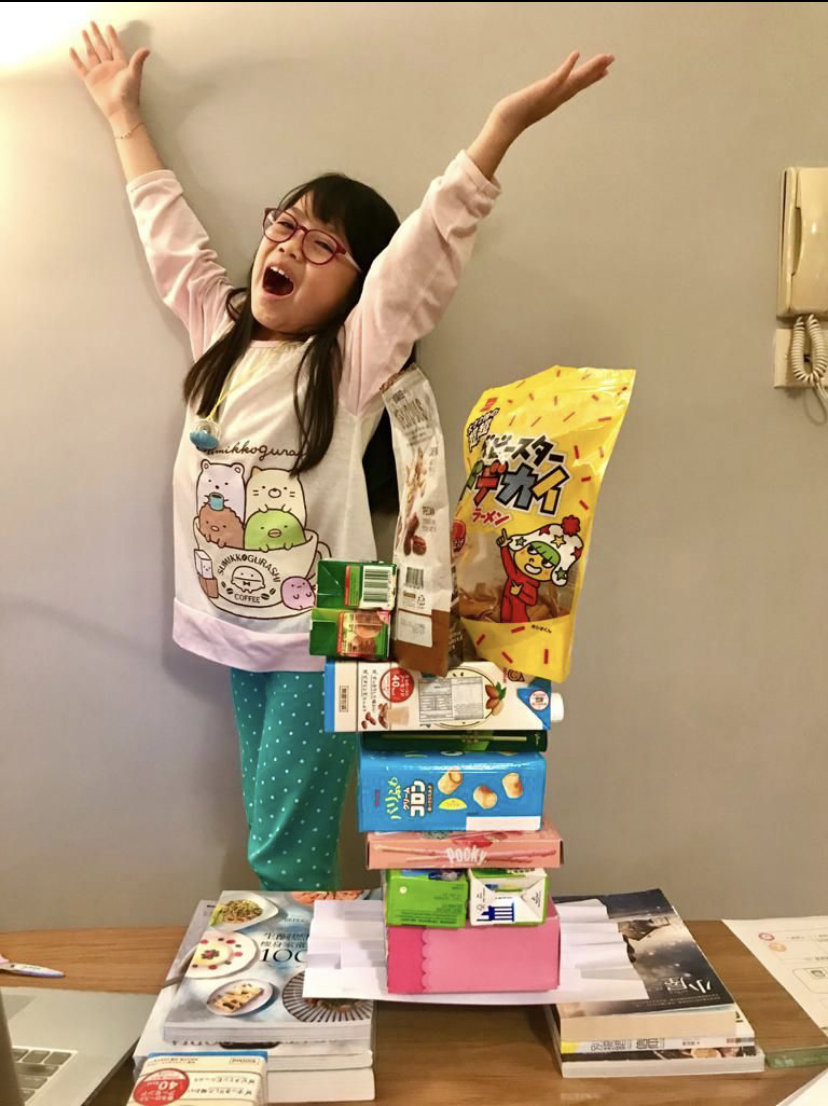
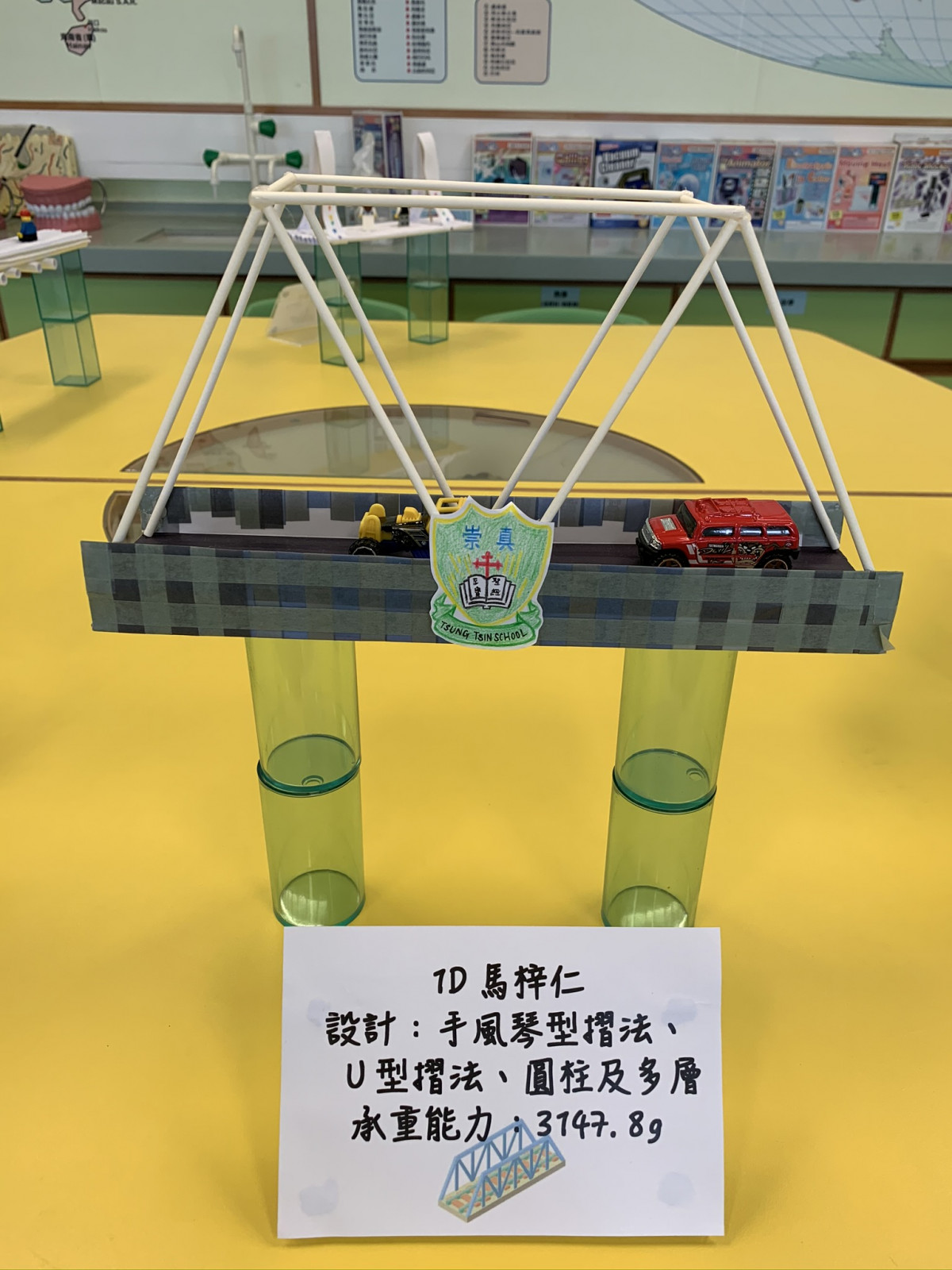
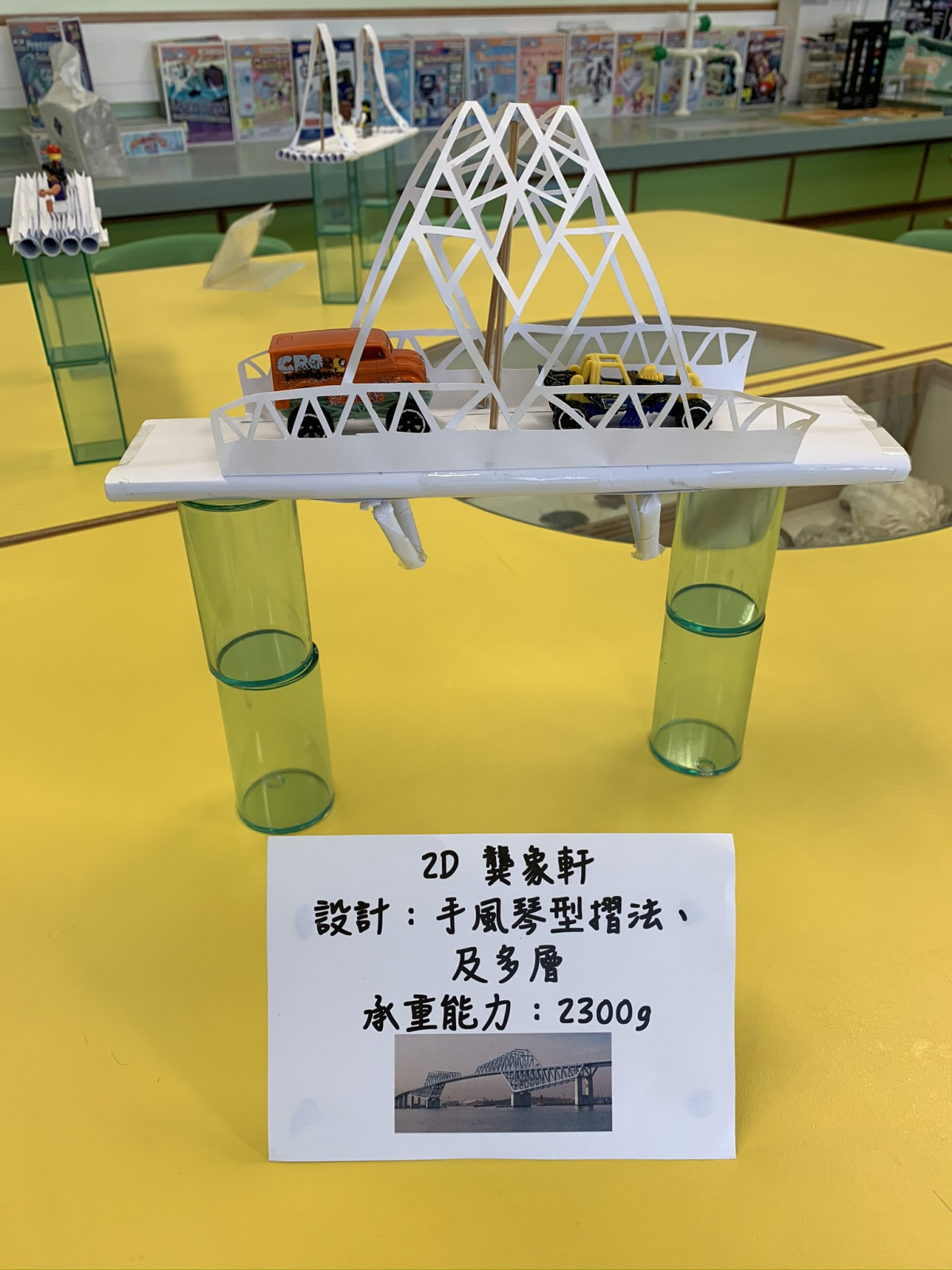
Younger students and their parents worked together to make eco-friendly toy cars and the Paper Bridge, using scientific principles to continuously test and improve them, experiencing the design cycle of engineering! Everyone became a little engineer!


5. Exceptional General Knowledge (Little Scientist)
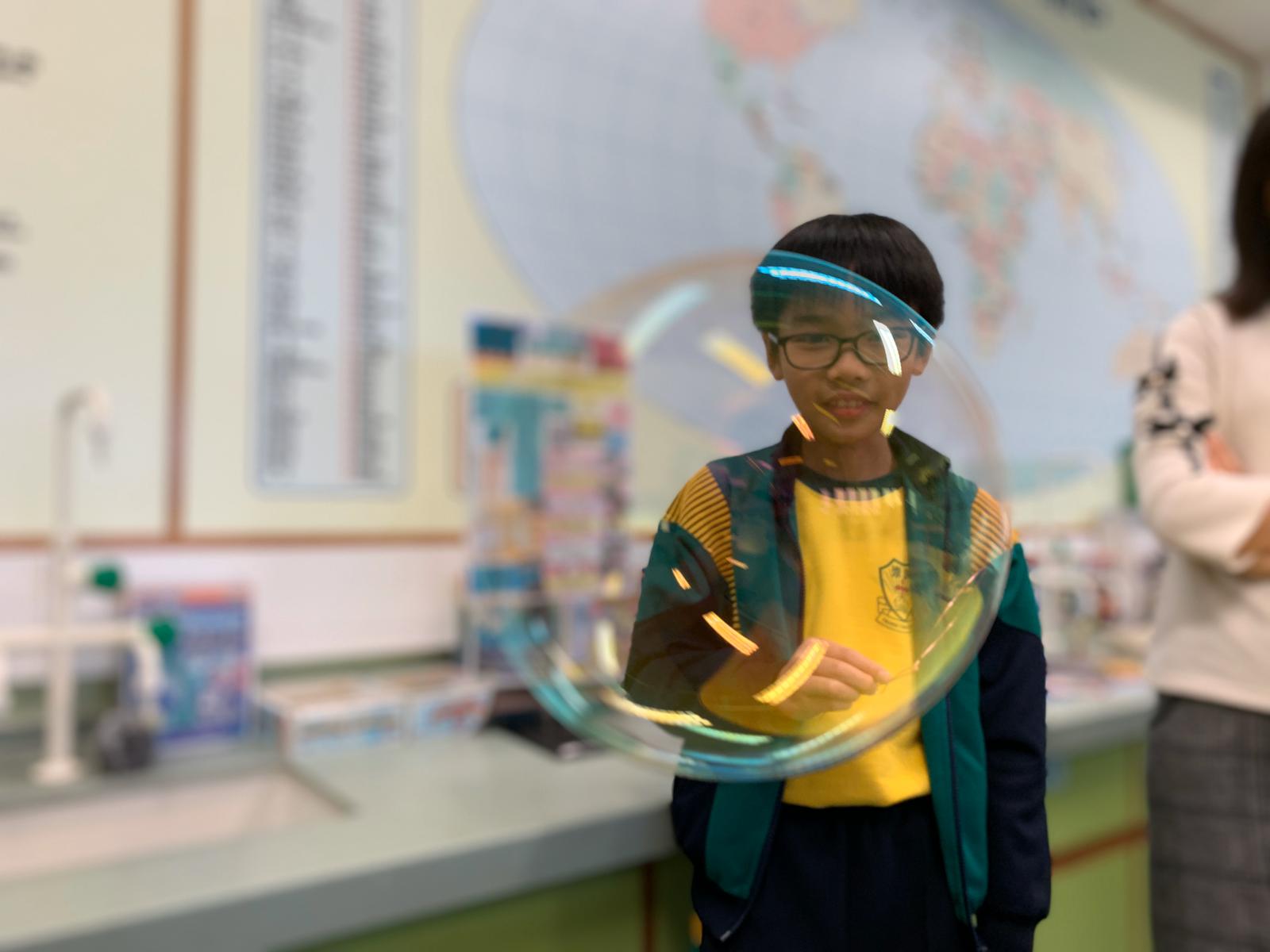
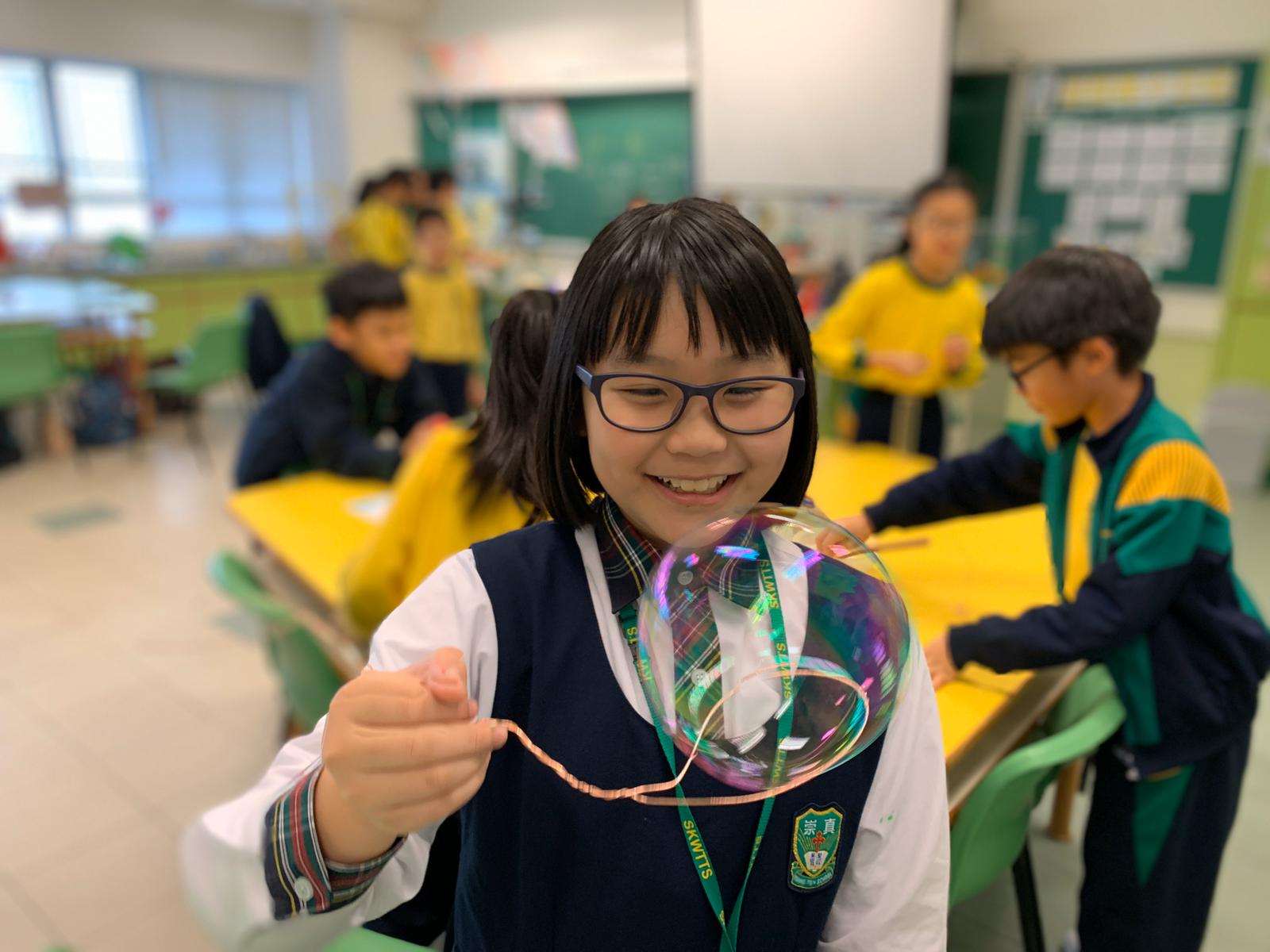
The program focuses on training students who have a strong interest in and high ability in science, and helps them develop their scientific inquiry skills. The most interesting thing last school year was when they made their own soap bubble recipes and created big, strong bubbles!
6. Project Soaring into the Sky
Our school has received sponsorship from the Lin Foundation to run the "Soaring into the Sky Flight Program" for two consecutive years to promote aviation education.
LEVEL 1
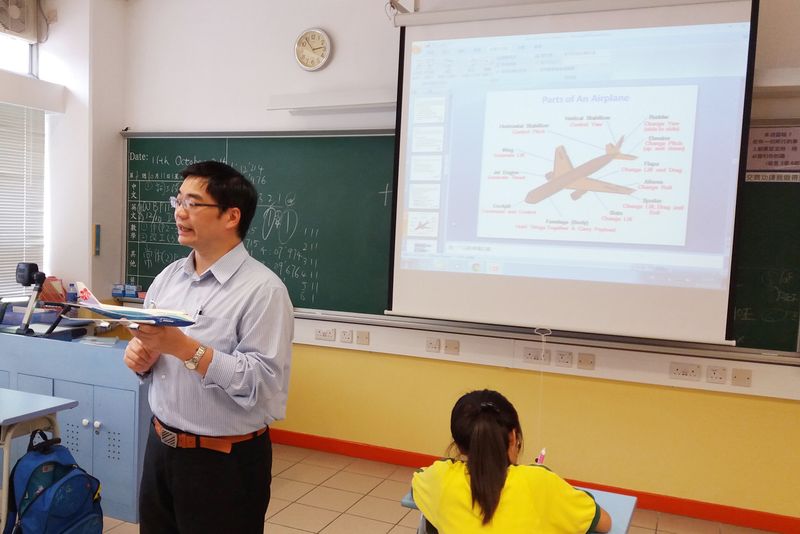
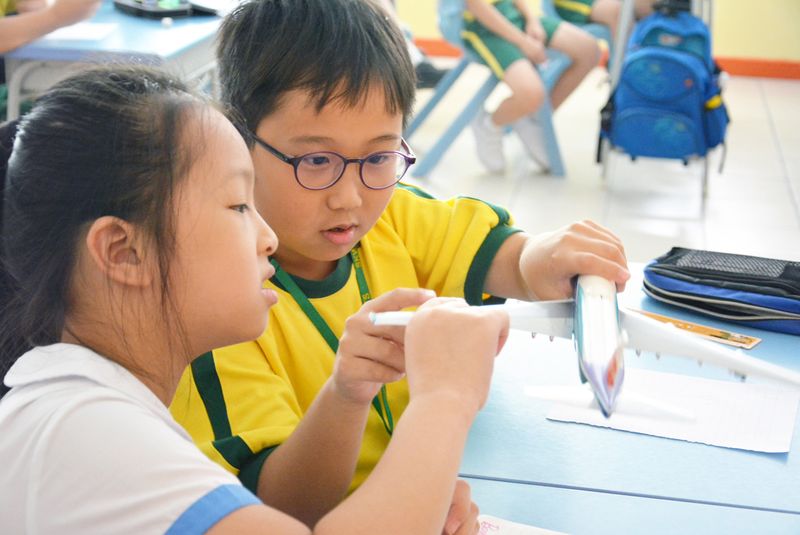
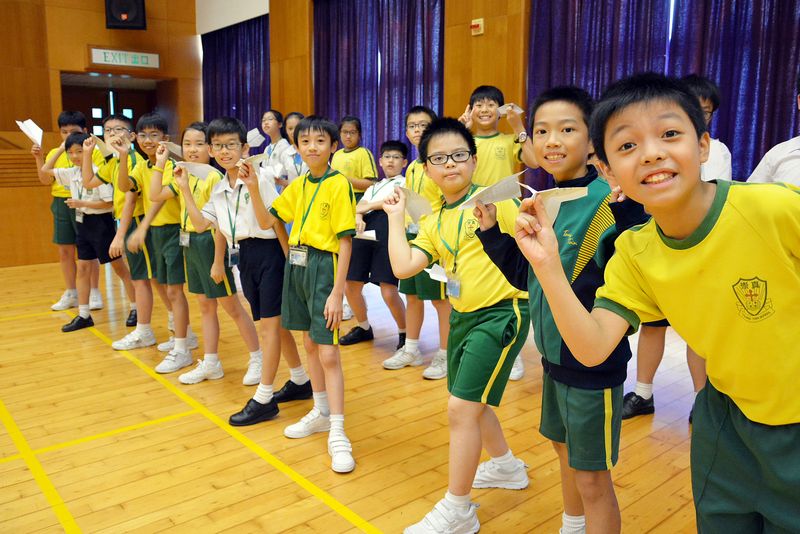
Last year, we conducted a Level 1 course with professional instructors including university scholars and professional pilots. They taught students the physical laws of aviation, such as aerodynamics, meteorology, and geography, and taught them how to fold paper airplanes according to the flight principles they had learned, and then competed with them.
LEVEL 2
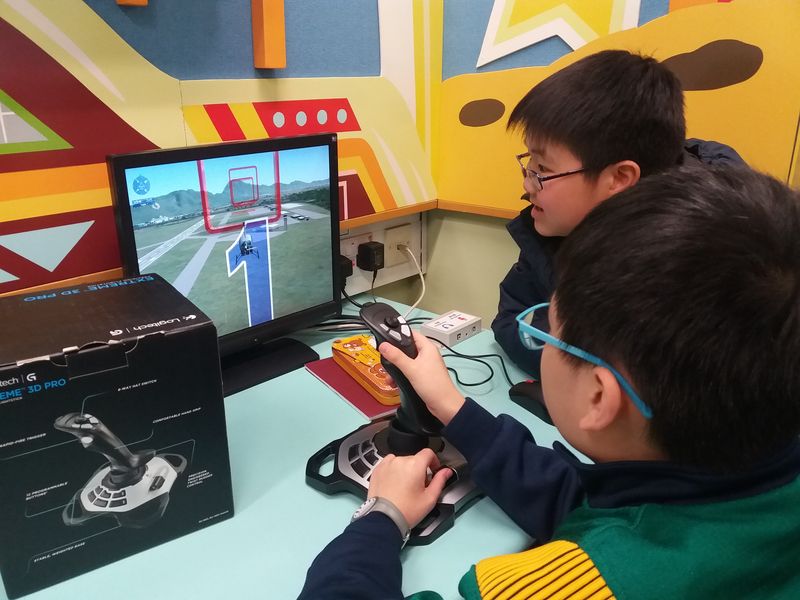
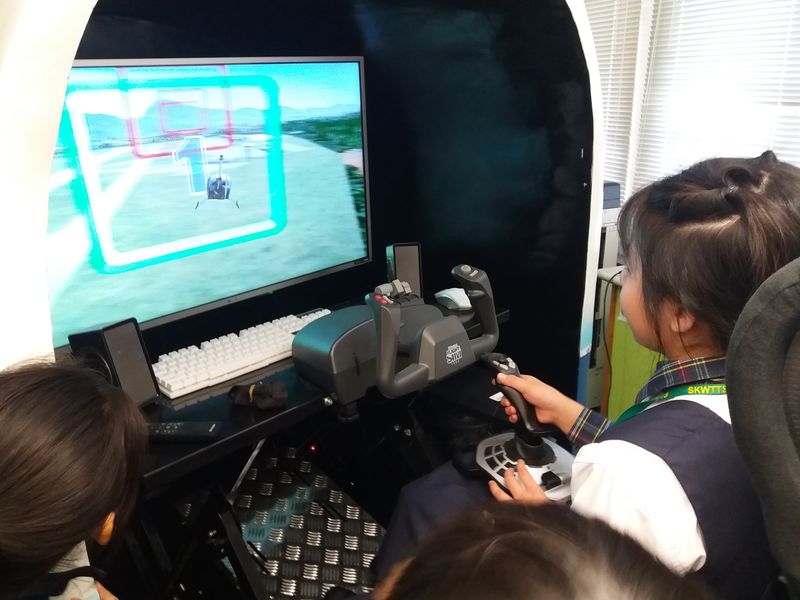
This year, we will be offering a Level 2 "Computer-Simulated Flight" course. The "Computer-Simulated Flight" system is equipped with professional computer-simulated flight software and hardware joysticks. Instructors and pilots will teach students (in groups of two to three) how to operate aircraft instruments, air traffic control terminology, and related technologies.
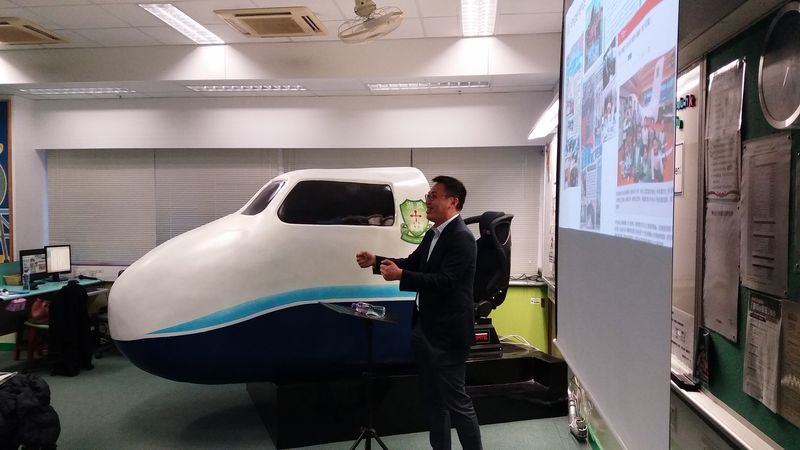
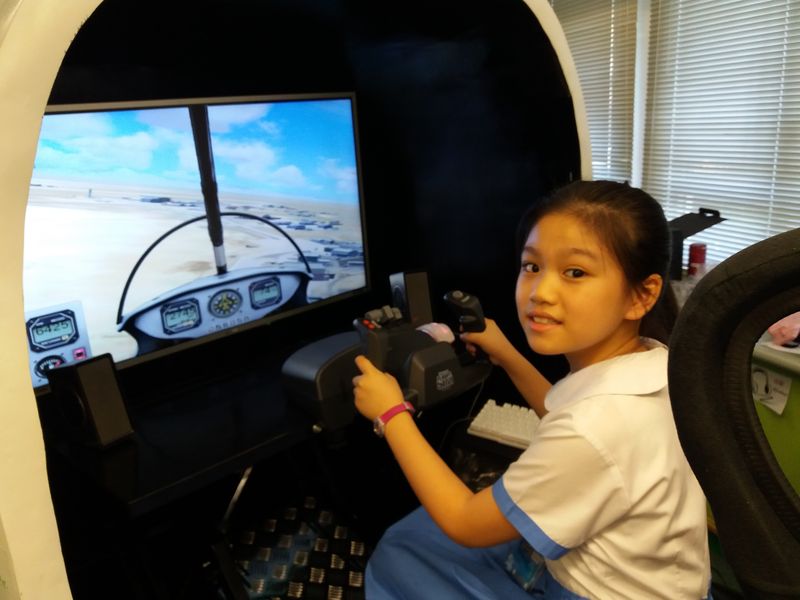
In addition, the foundation funded the school to build a large-scale flight simulator, giving students a more realistic computer-simulated flight experience.
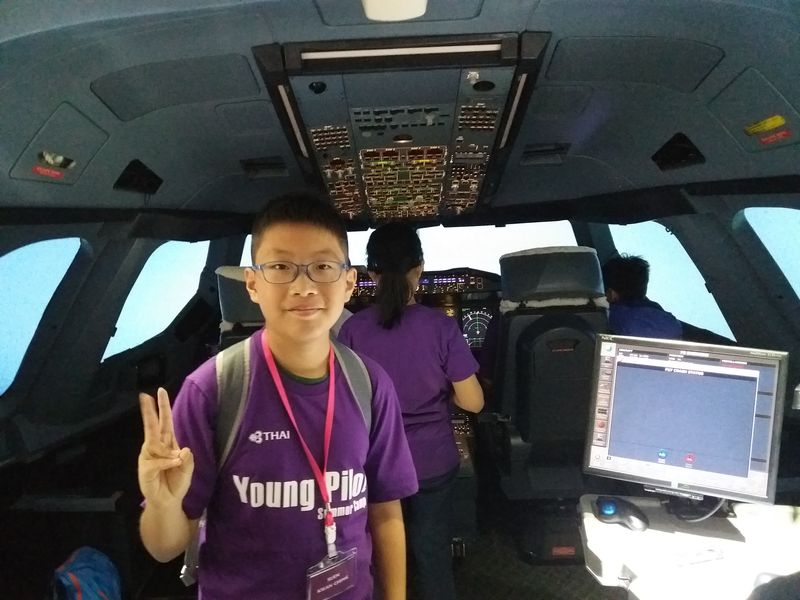
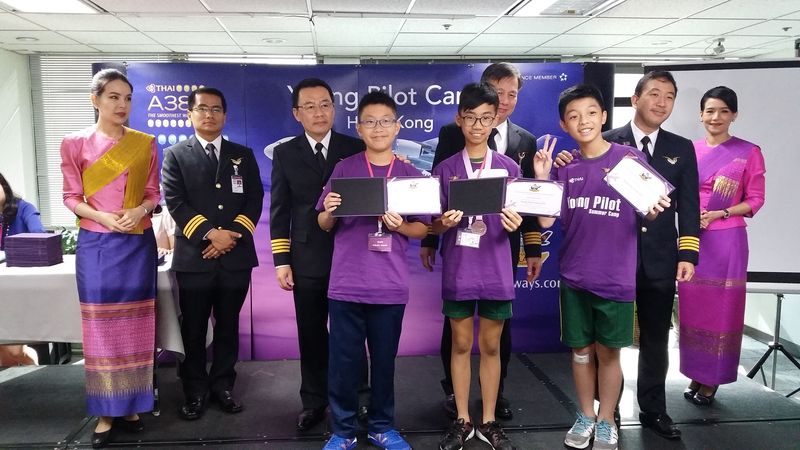
After receiving funding from the foundation last year to participate in the international paper airplane competition in Singapore, our students received further funding this year to participate in "computer simulation flight" training on Thai Airways aircraft in Bangkok, Thailand.
7. Extracurricular Activities
Students gain a lot of extracurricular knowledge and broaden their horizons by participating in activities organized by off-campus organizations.
Visiting Guotai City
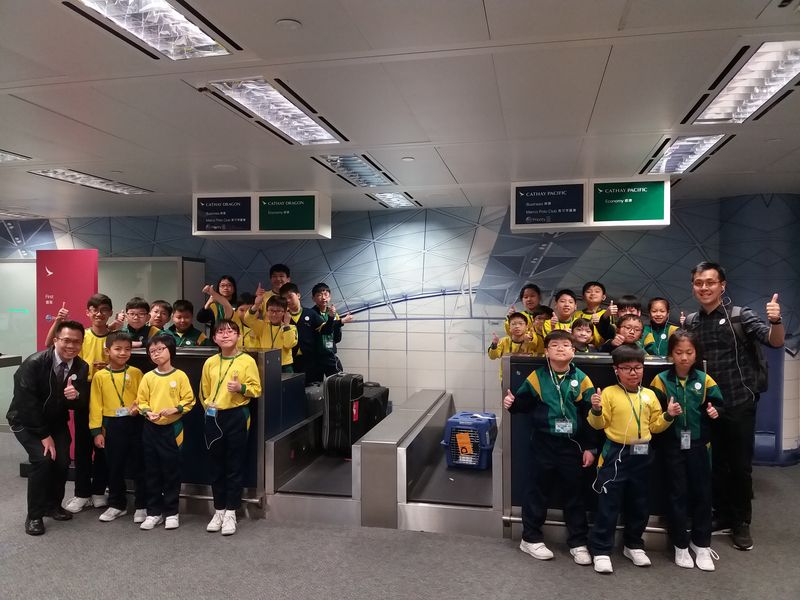
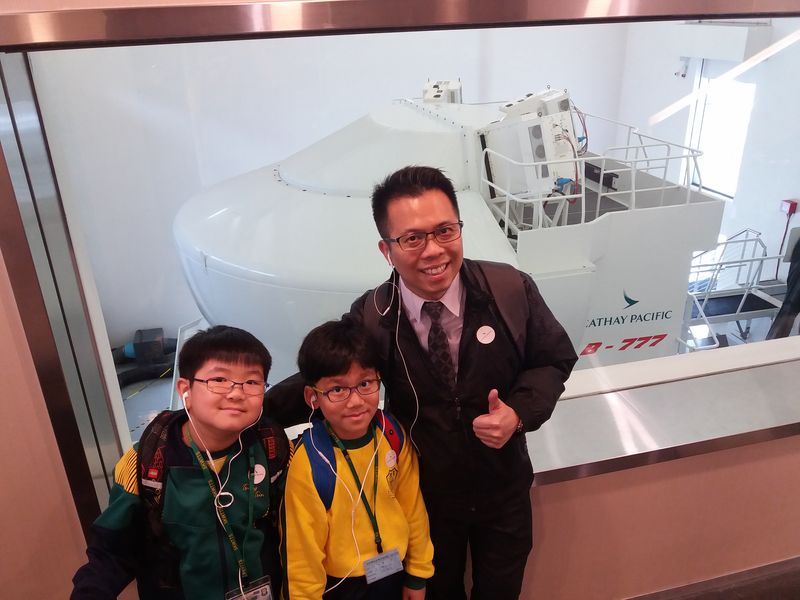
Students participating in the "Little Scientists" program organized by the Hong Kong Science Museum visited Cathay City to learn about the daily operations of airlines.
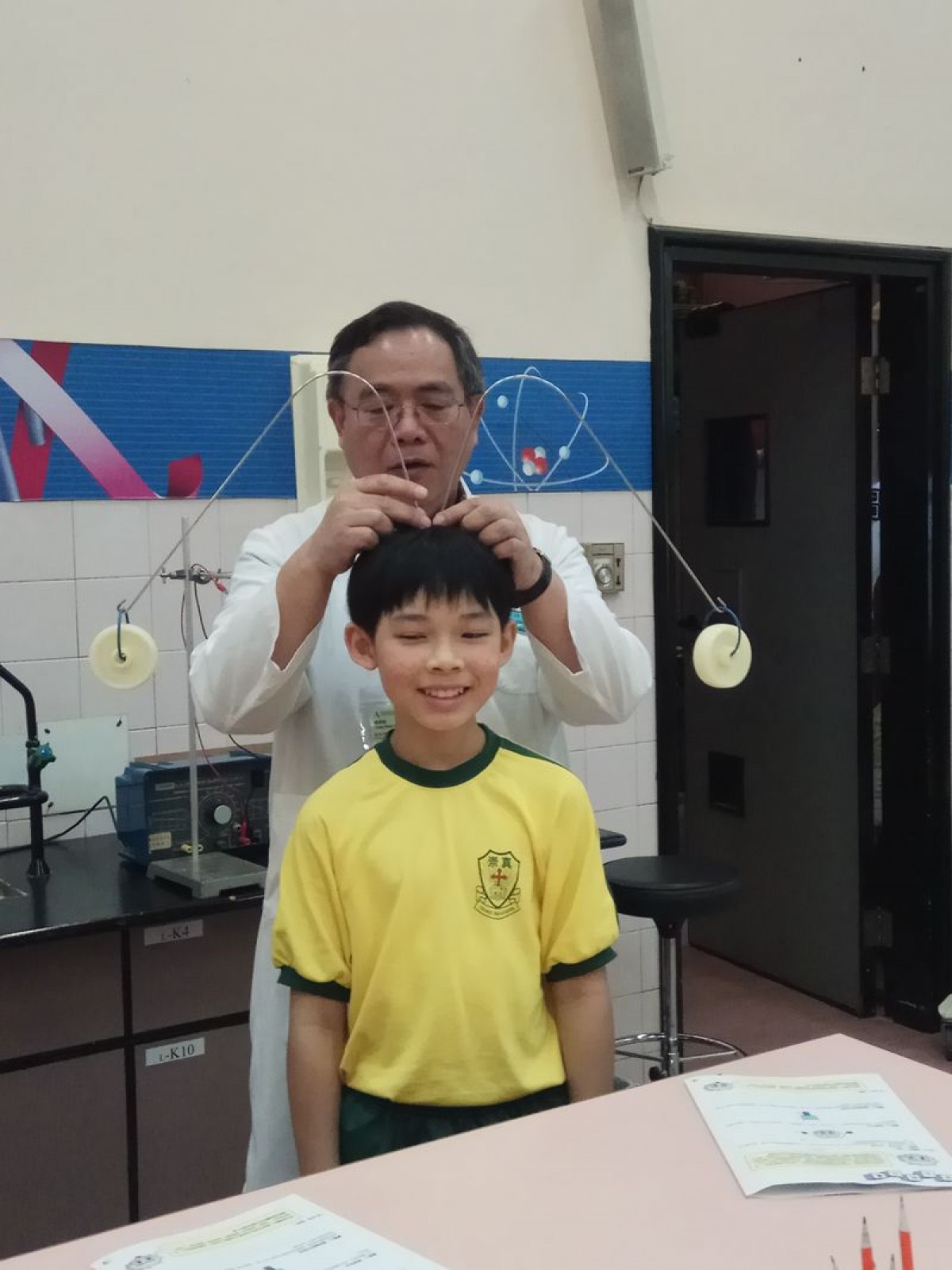
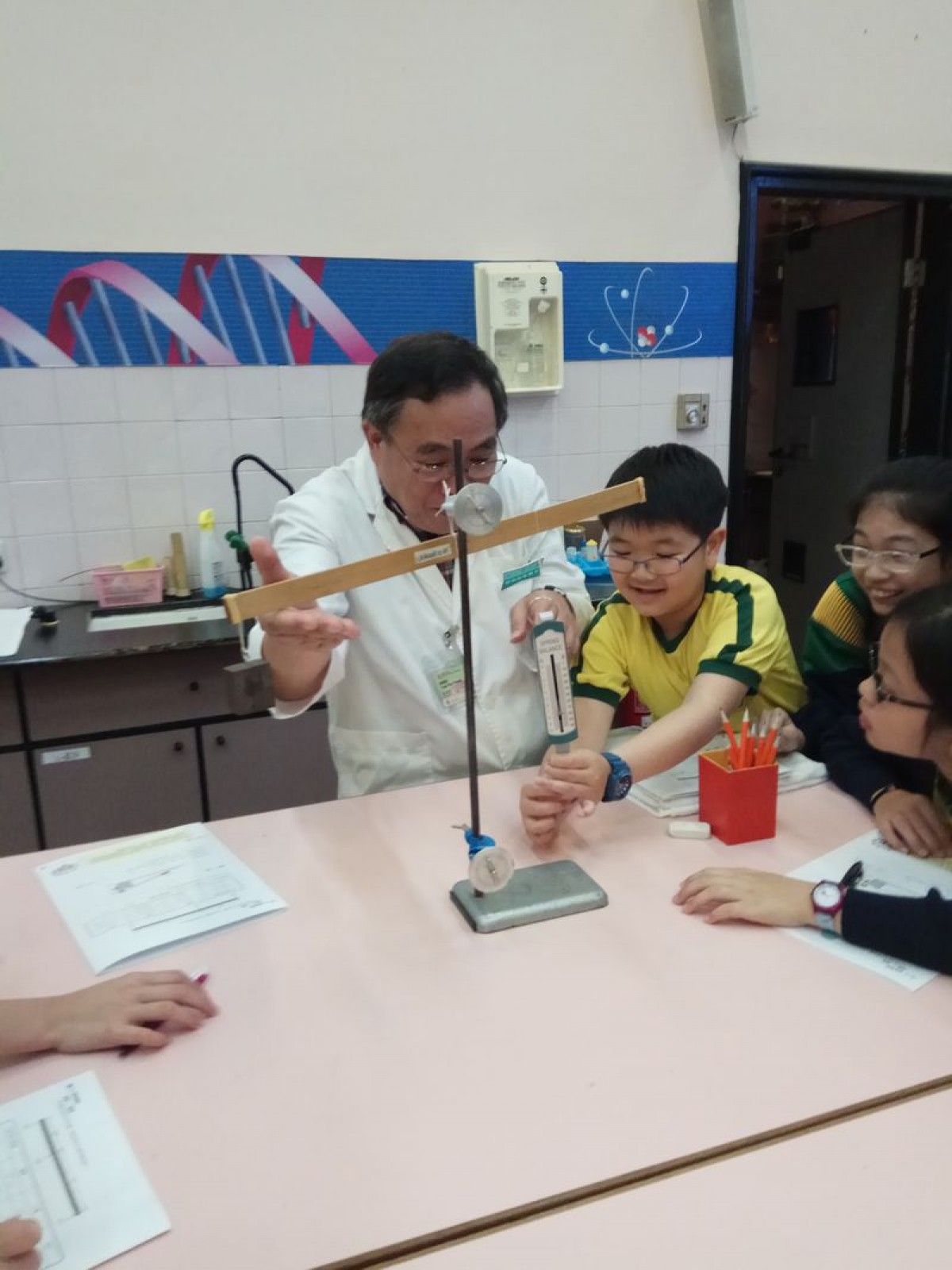
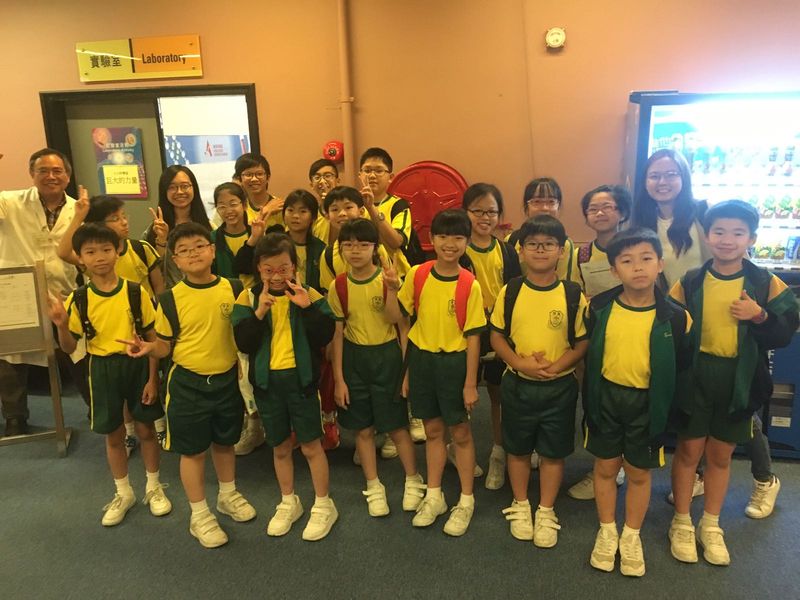
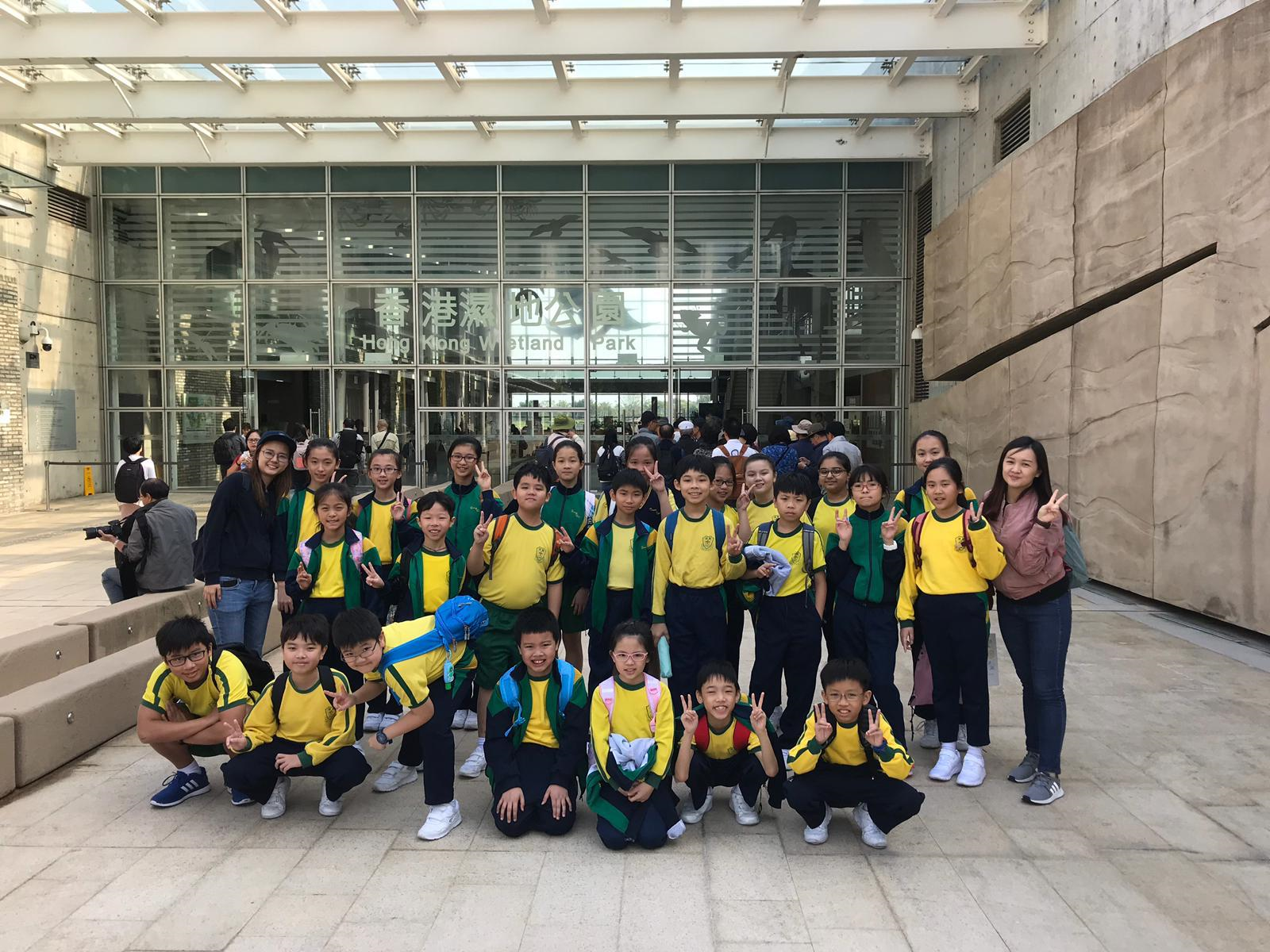
In the "Passing on the Torch" program at the wetlands, students worked in groups to conduct experiments on the theme of "Exploring Force" in the science museum's laboratory, enhancing their interest in scientific inquiry.
Through the activity, students learn about the relationship between bird wing shapes and flight, and further put into practice the flight theories they have learned by soaring into the sky.
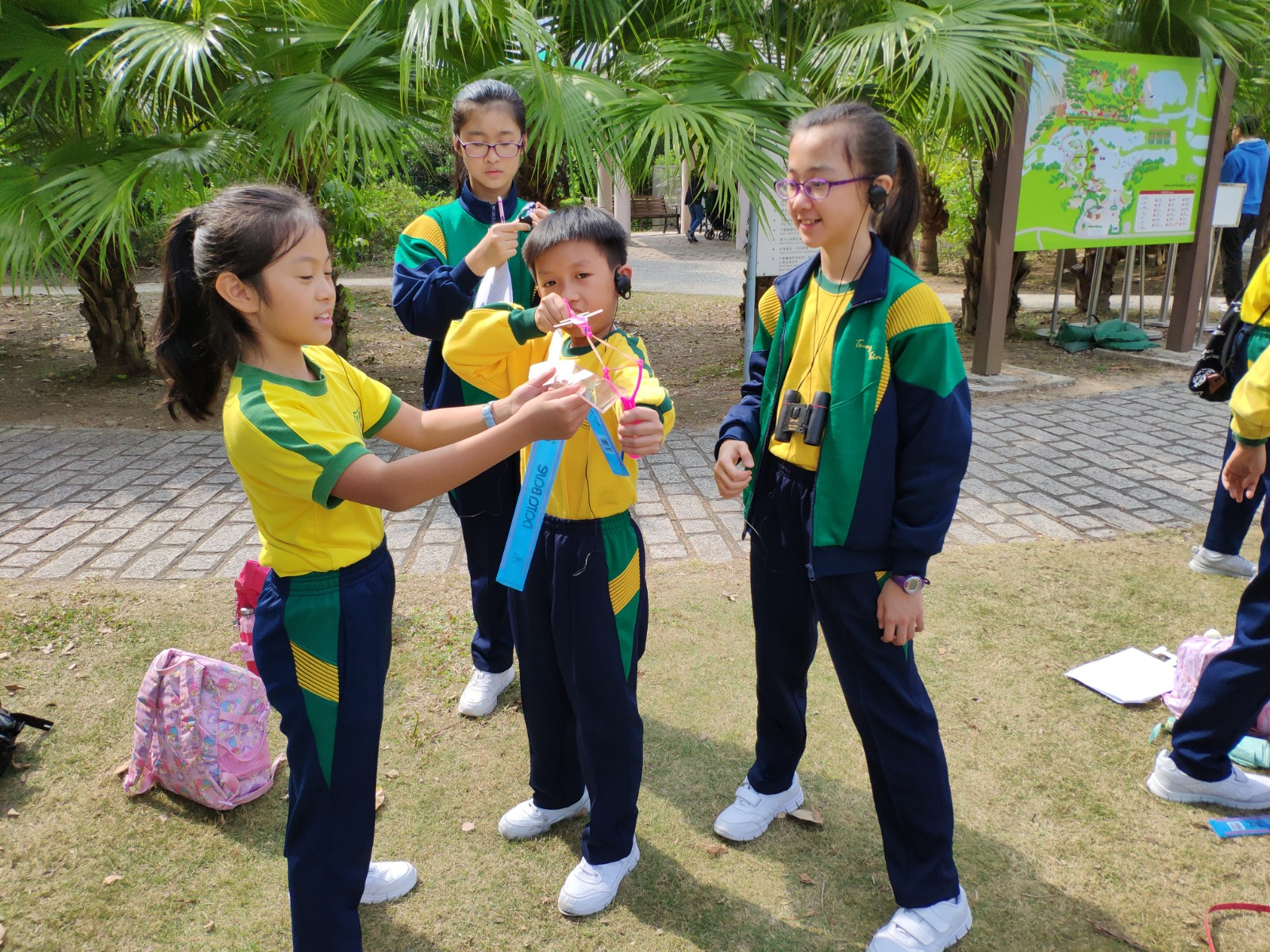
"Common Sense Approaches: A STEM Exploration Exhibition for Elementary School Students"
8. Off-campus competitions
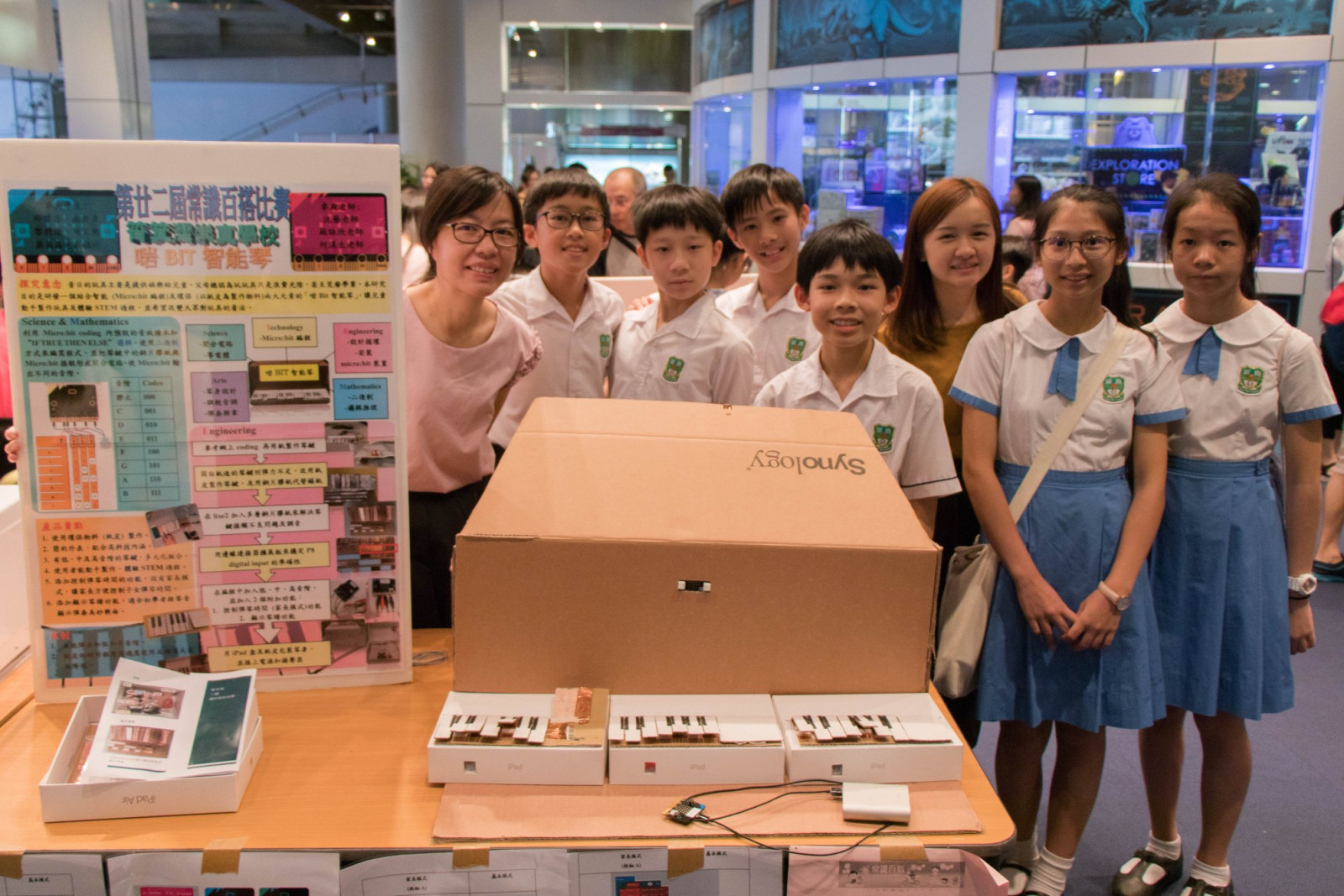
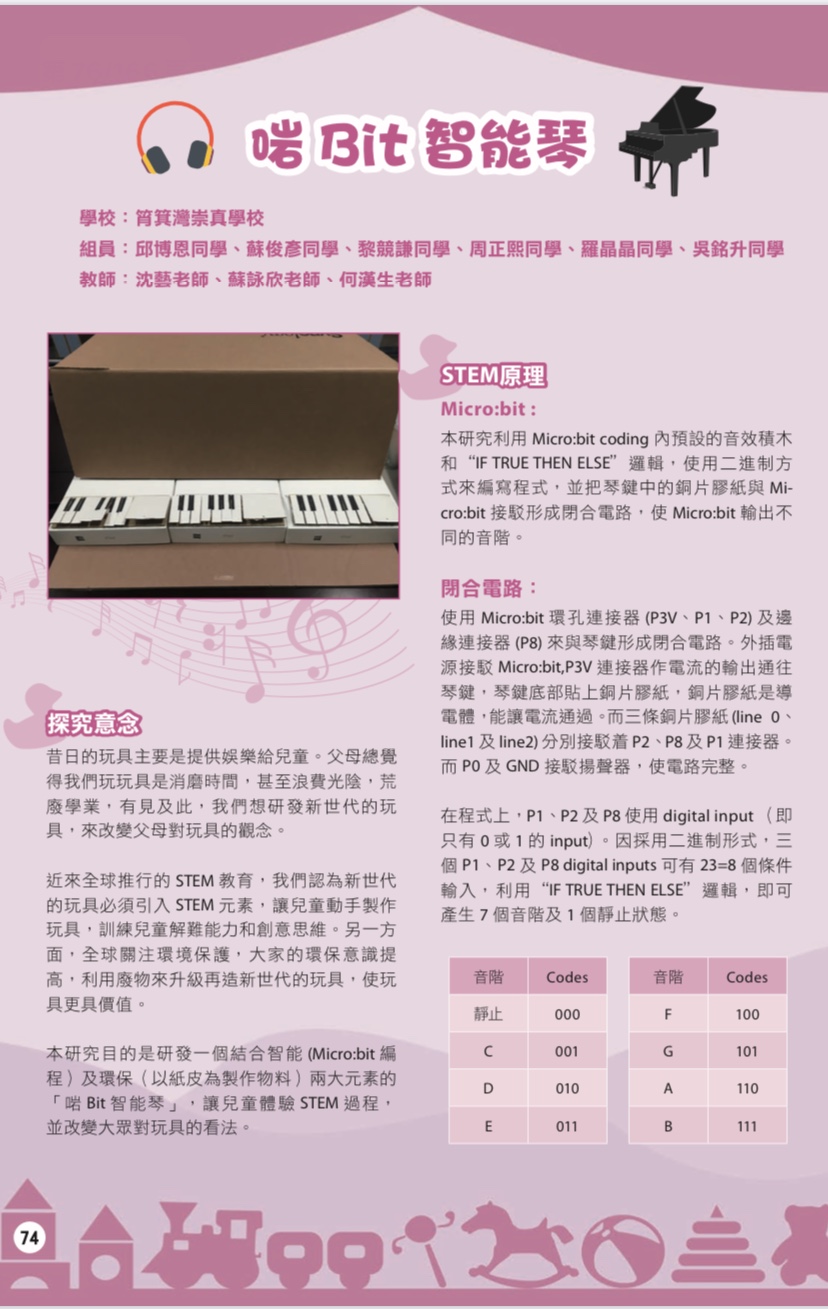
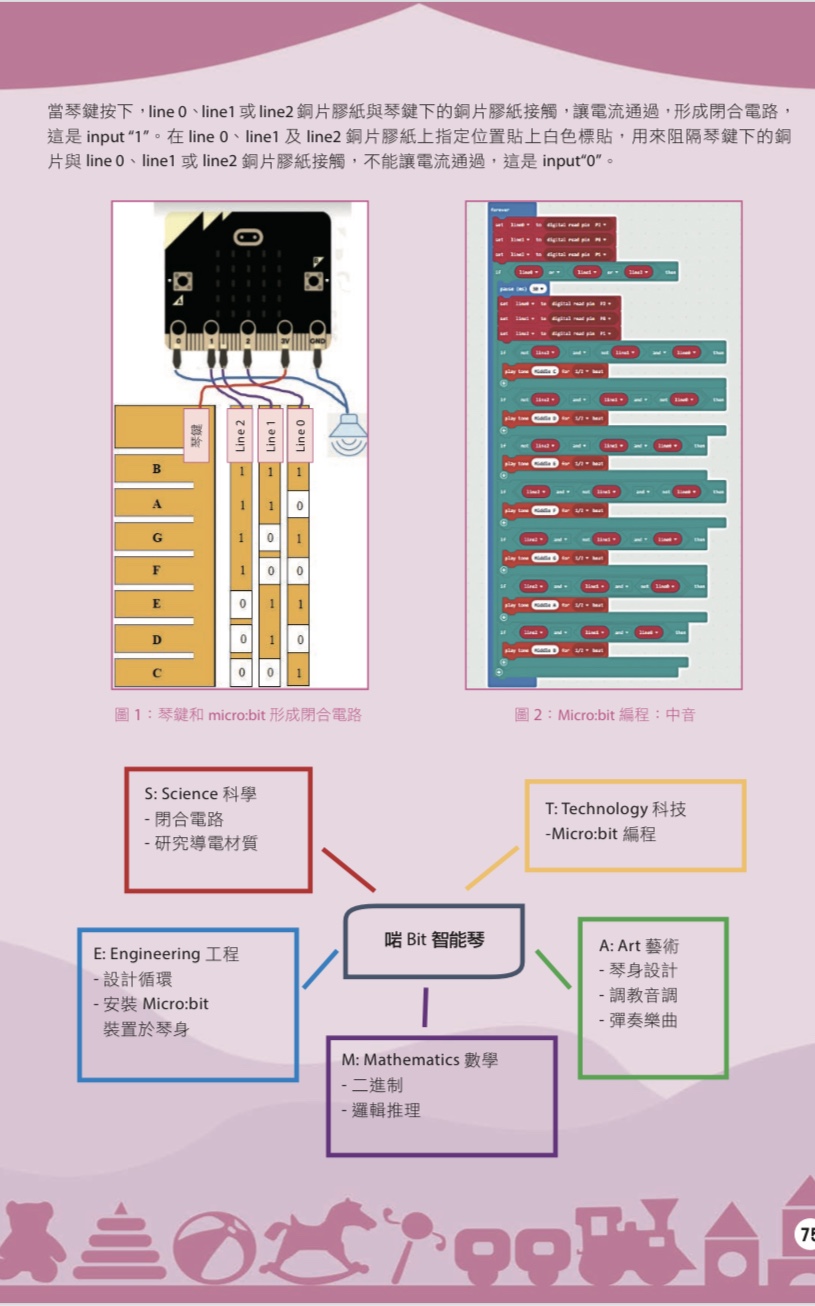
Our school won the Grand Prize (highest level) and the Outstanding Award at the 22nd "Common Sense All-in-One" Primary School STEM Exploration Exhibition for our project, "o-rock BIT Smart Piano," which uses environmentally friendly materials and Micro:bit programming to create a new generation of toy pianos.
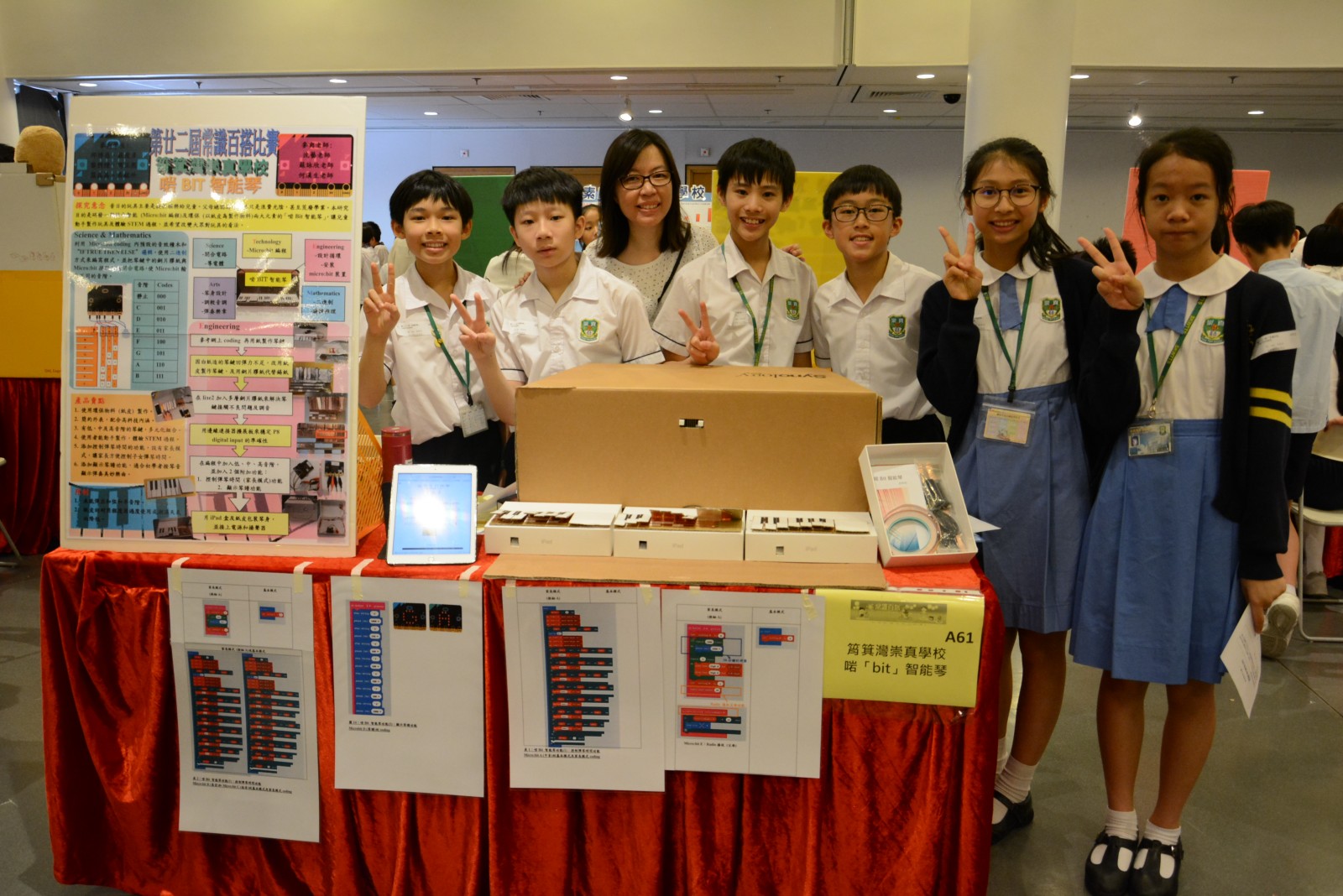
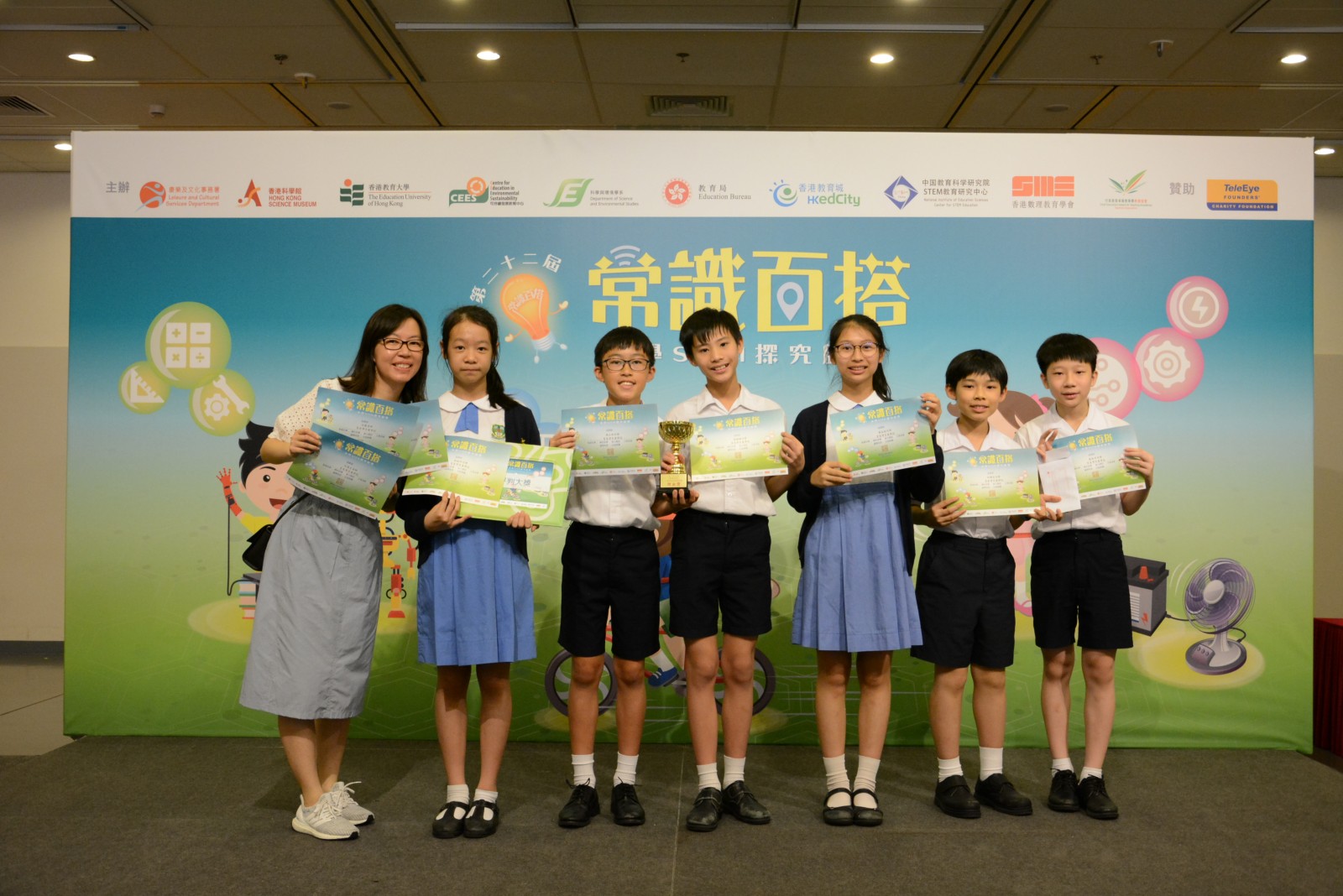
The teachers and students in charge had the opportunity to attend a results sharing session at the Science Museum and share their work with the public. Subsequently, the "YanBIT Smart Piano" was also displayed in the Education Bureau's exhibition hall.
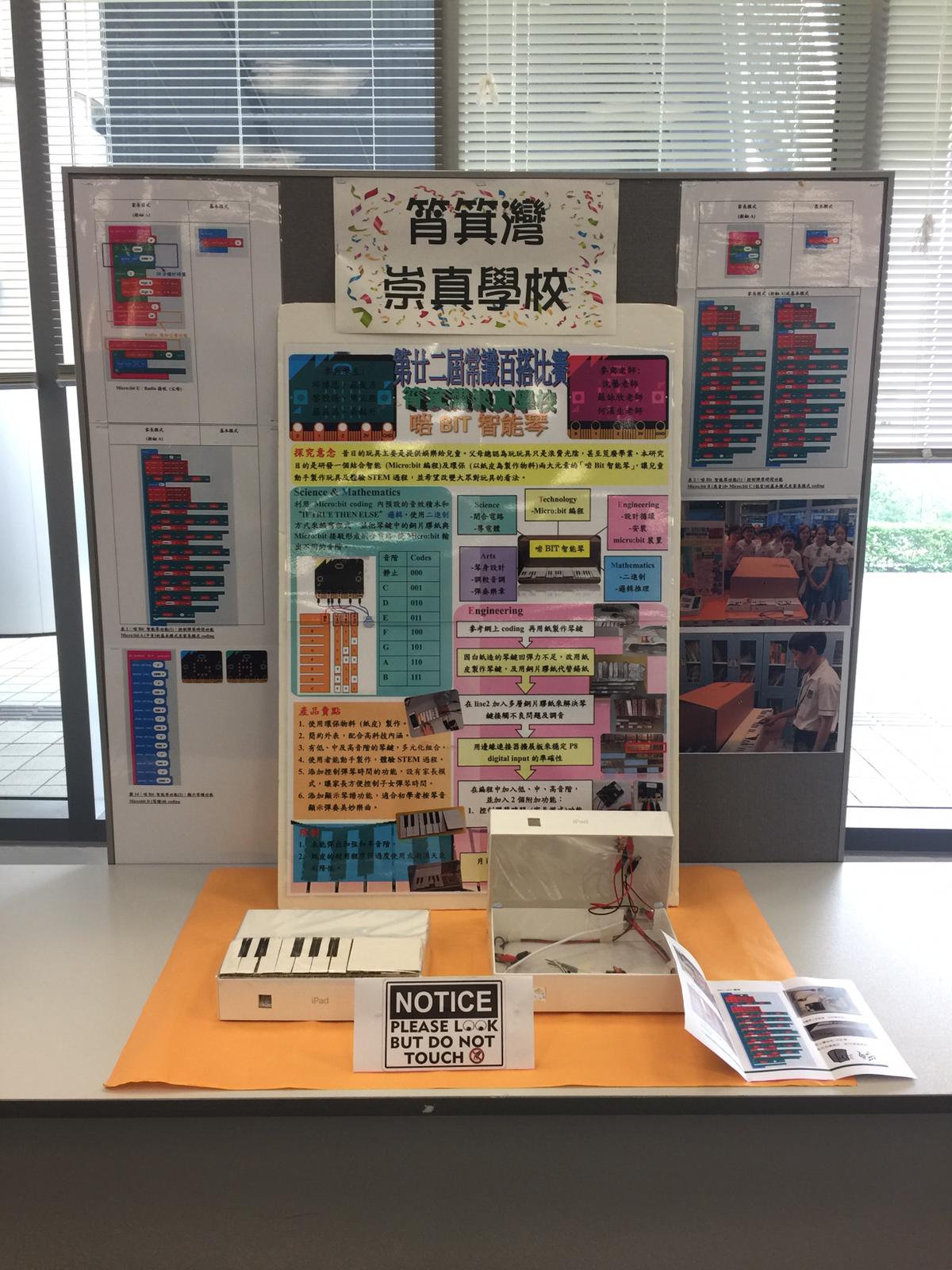
The alumni reunion plan was even published in the 22nd "Common Sense All-Round" award-winning publication.
100 Quick Biology References for Primary School Students in Hong Kong
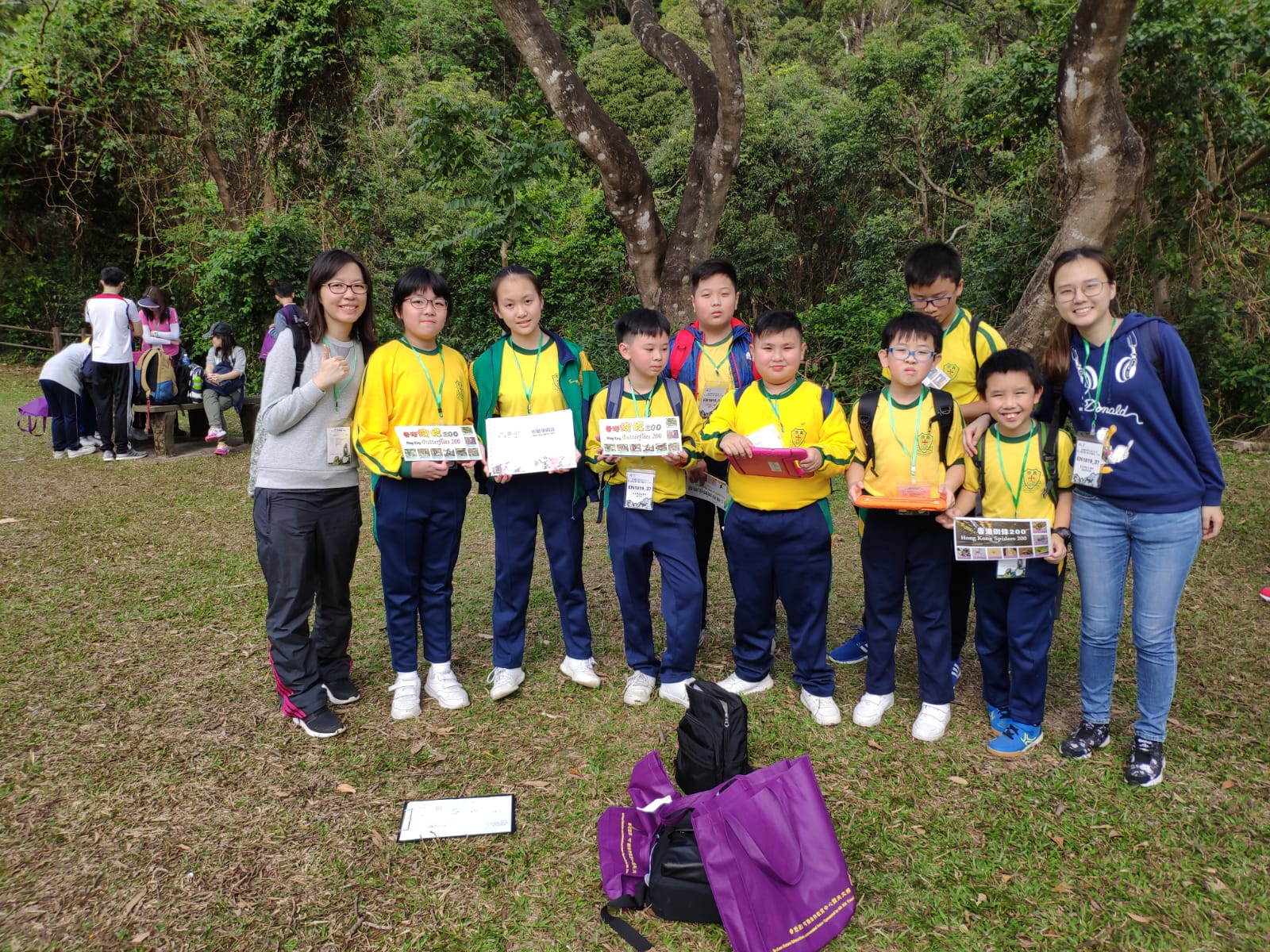
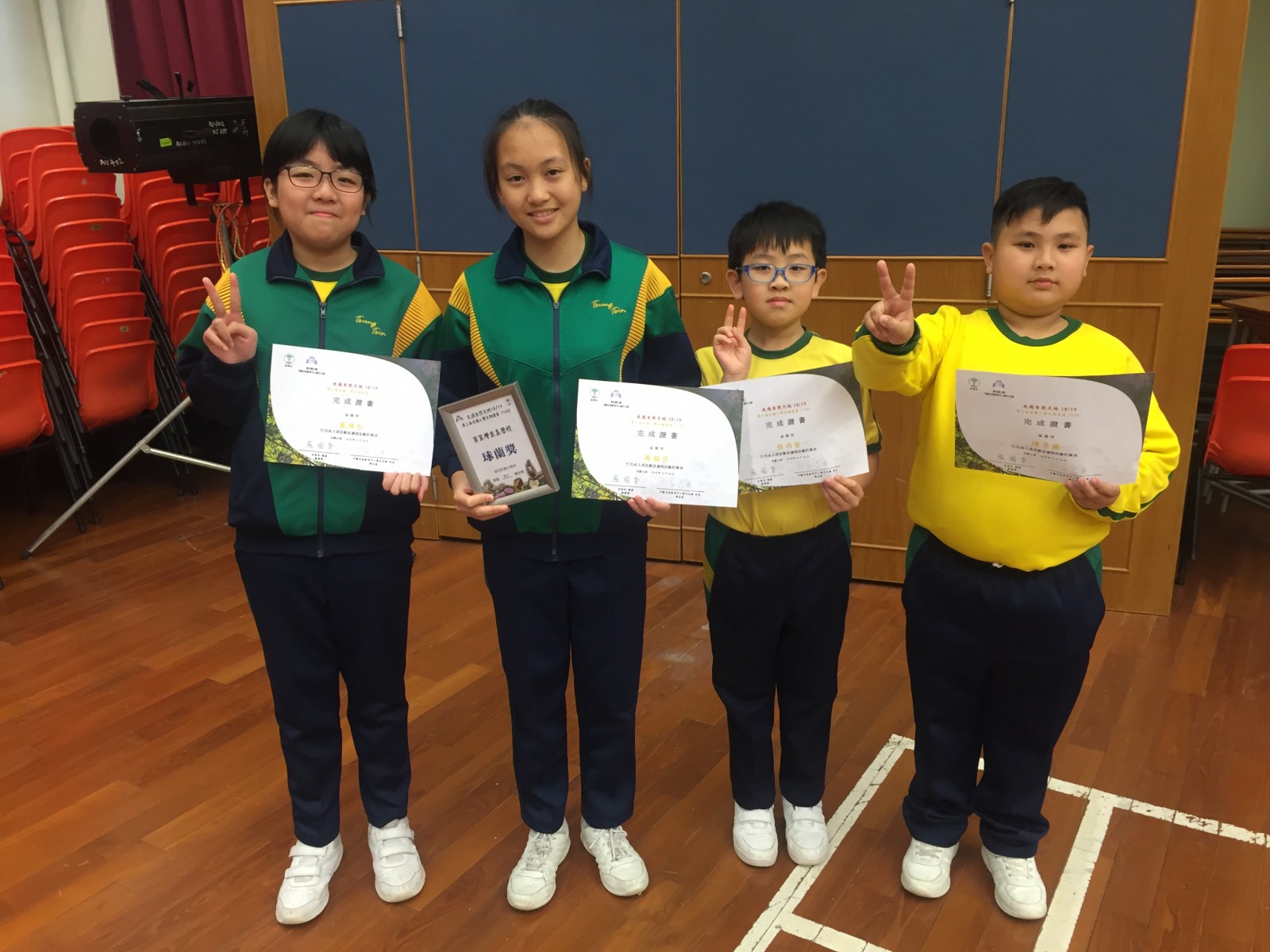
Our school won the Hoya Award in the 3rd Hong Kong Primary School Biology Quick Reference "100" competition, allowing students to learn about biodiversity in nature.
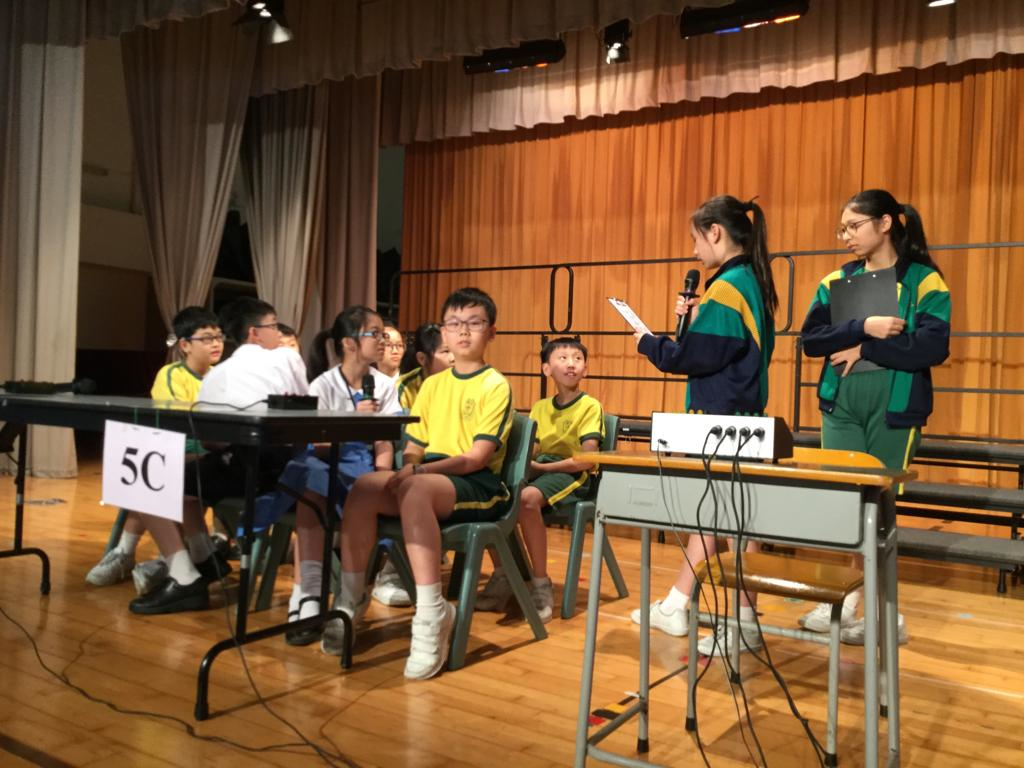
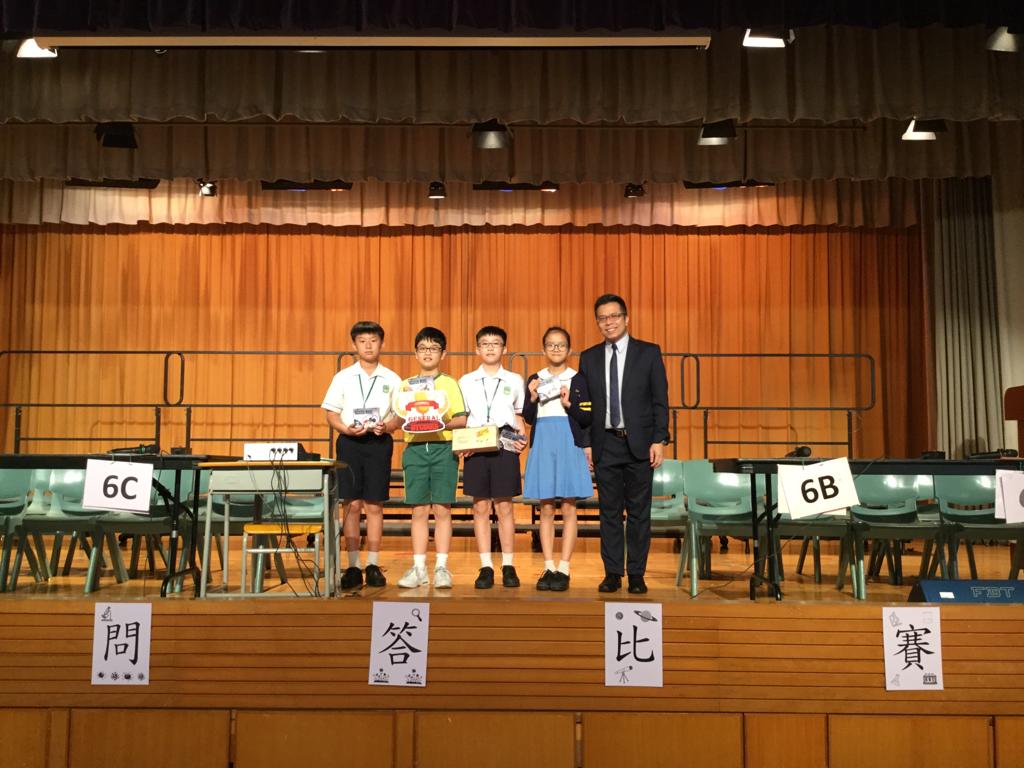
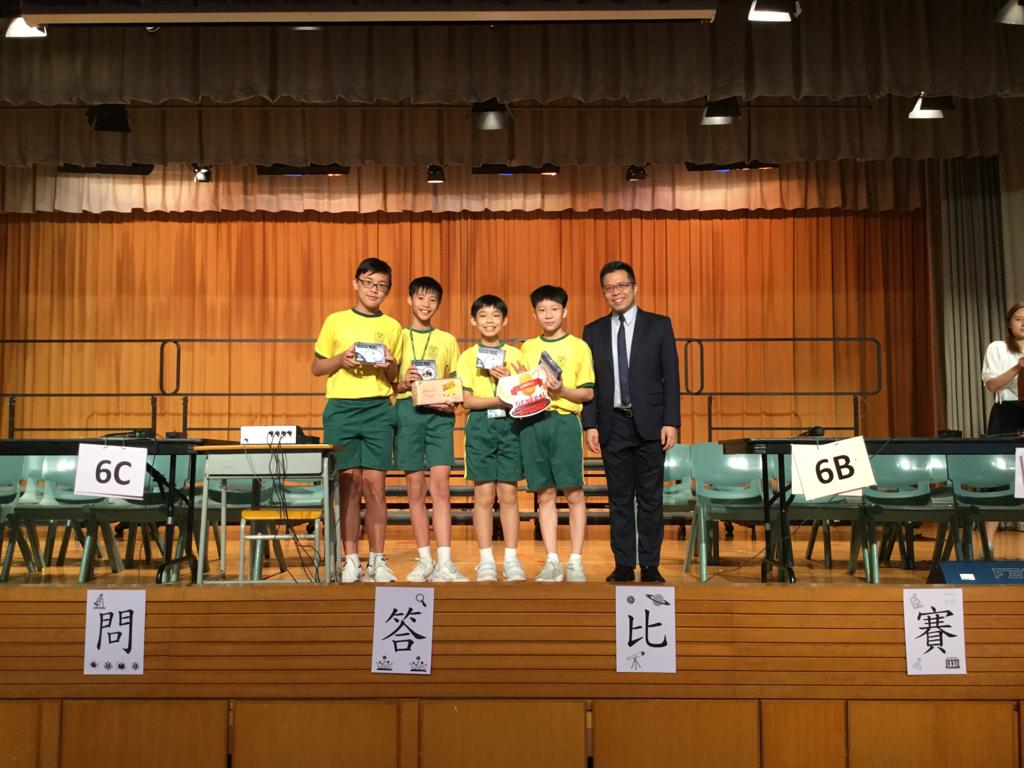
9. In-school graded general knowledge quiz competition (grades 3-6)
Through a general knowledge quiz competition, students are encouraged to pay more attention to current events and care about society.