

Mathematics
| Target: |
1. To stimulate students' interest in learning mathematics. |
2. Improve students' mathematical calculation skills. |
3. To inspire students' thinking, communication, creativity, problem-solving, and reasoning abilities. |
4. To encourage students to appreciate the patterns and structures of numbers and shapes. |
5. To cultivate students' ability to use mathematical knowledge to solve problems in daily life. |
6. Cultivate students' ability to learn mathematics independently. |
| feature: |
1. Emphasis should be placed on diversified teaching strategies to cultivate students' ability to construct mathematical concepts. |
2. Integrating school-based problem-solving courses into the basic curriculum exposes students to different types of math problems, stimulates their mathematical thinking, teaches them different problem-solving methods, and enhances their higher-order thinking skills. |
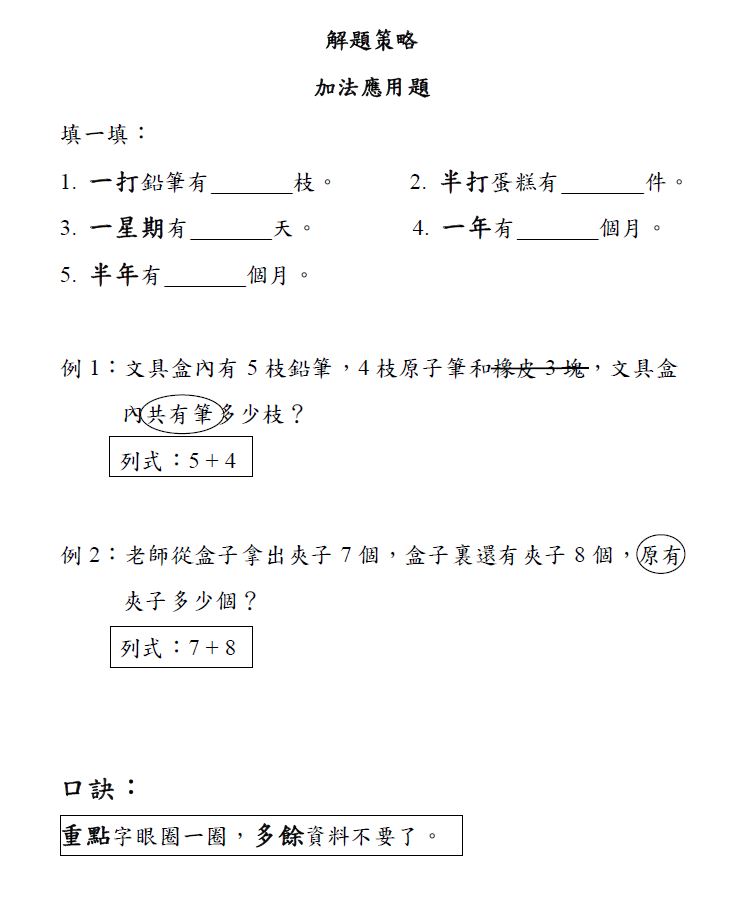
3. School-based problem-solving strategies teach students to use reading and problem-analysis skills to improve their problem-solving abilities. |

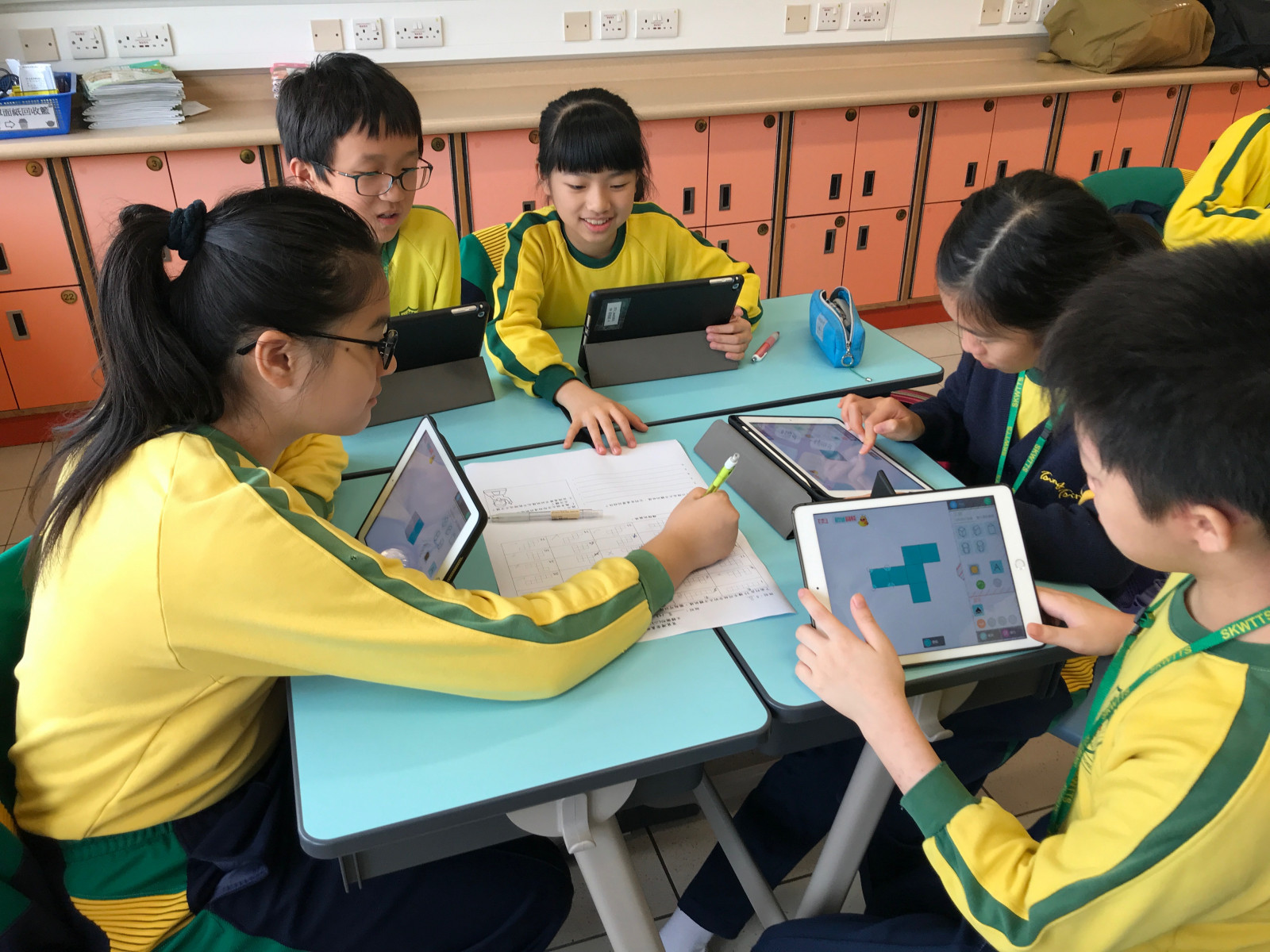
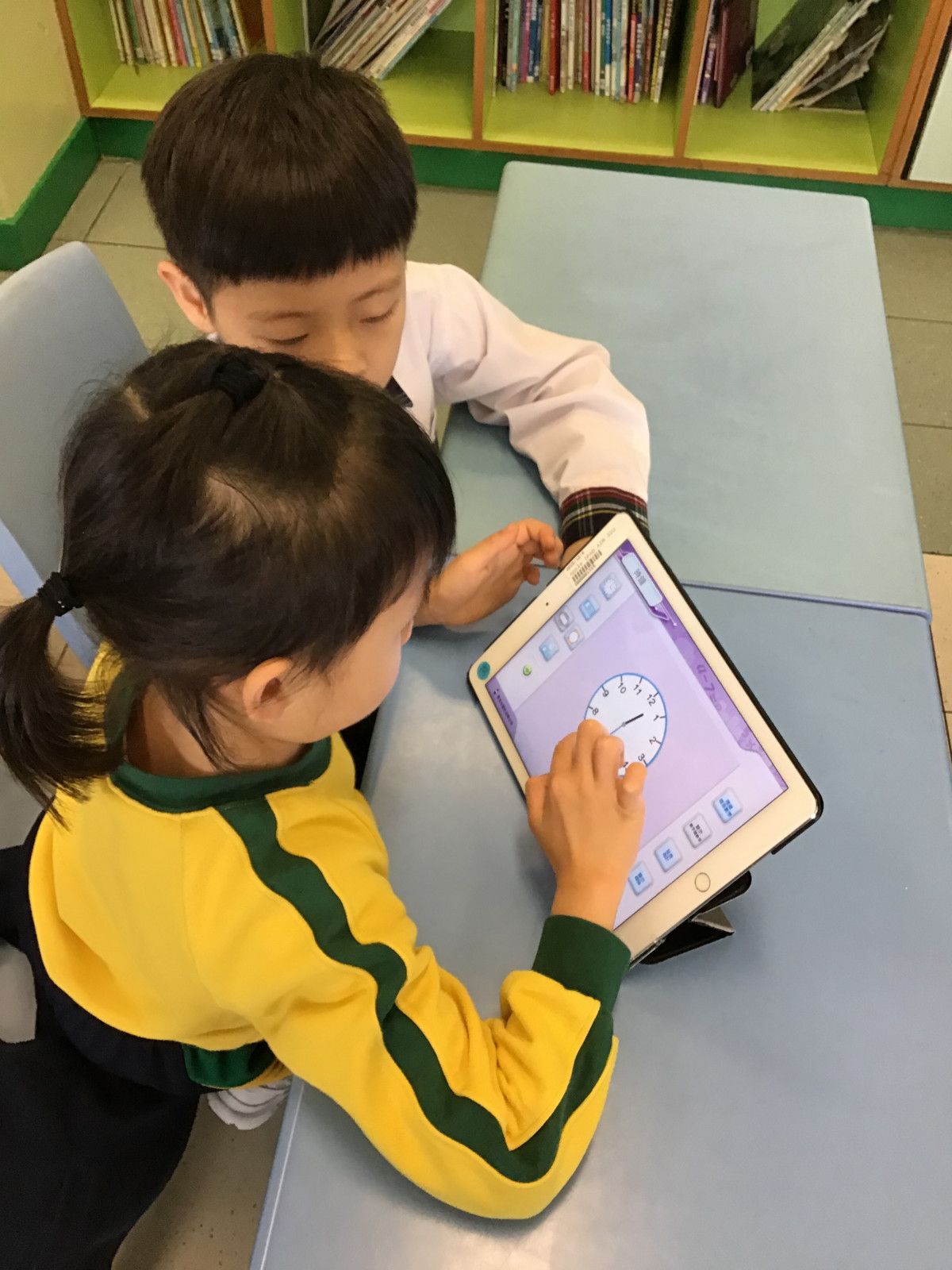
4. Promoting e-learning allows teachers and students to teach and learn more flexibly, improves classroom teaching effectiveness, makes it easier for students to grasp abstract topics, and cultivates students' self-learning ability. |
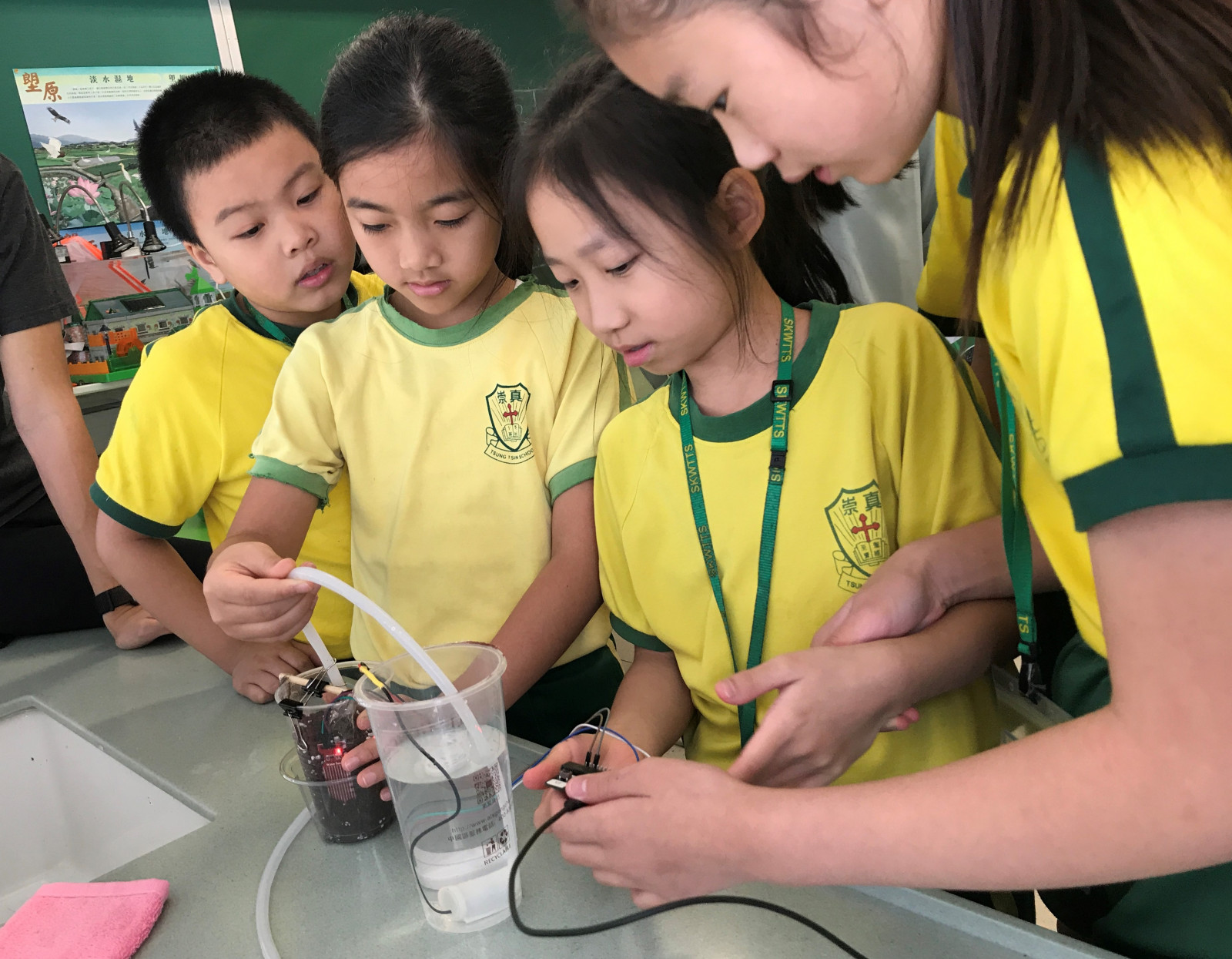
5. Regularly organize math activities with STEM themes to develop the application of STEM in math teaching. Expose students to various thought-provoking educational tools and games to enhance their interest in learning math. |
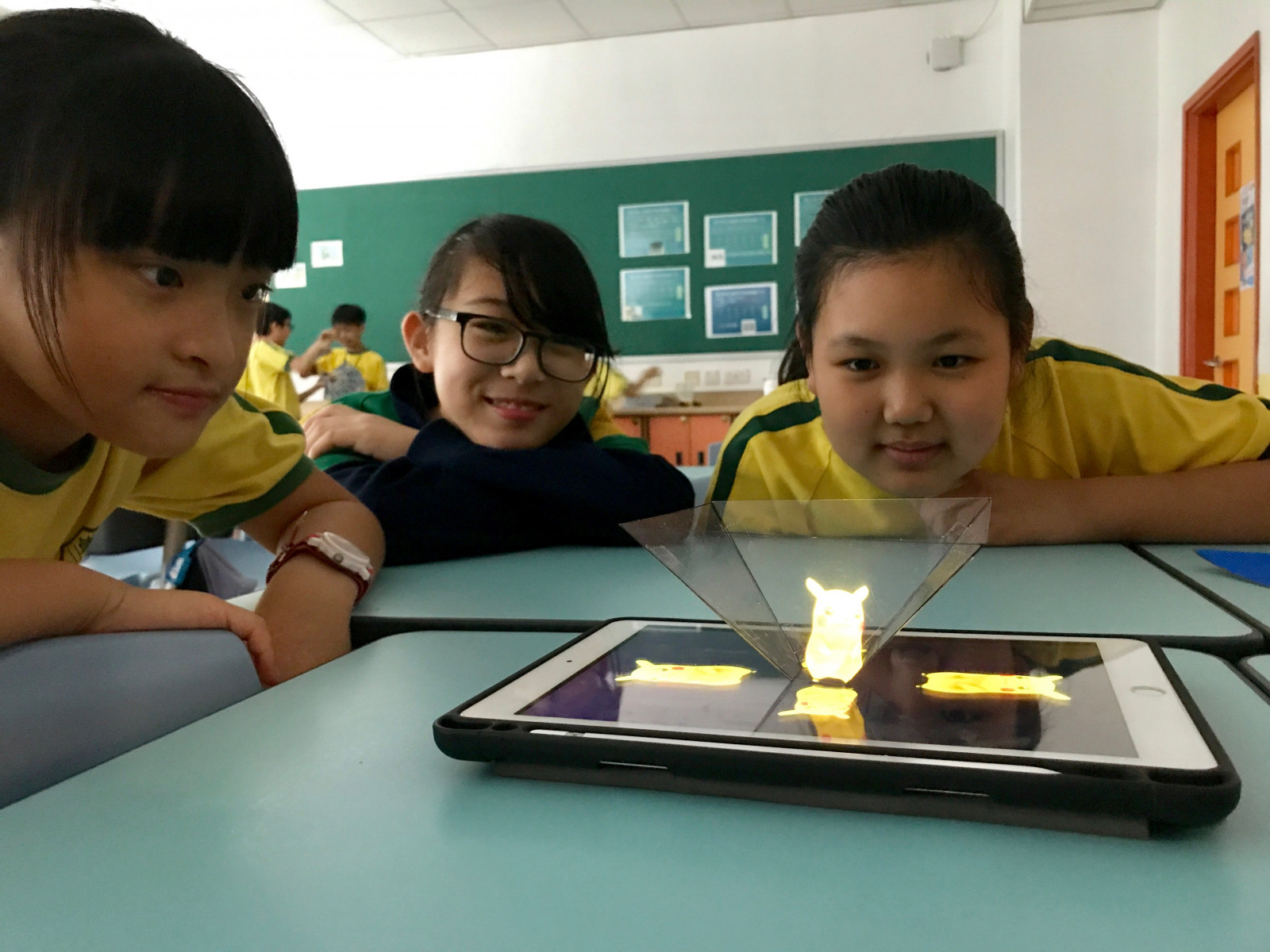
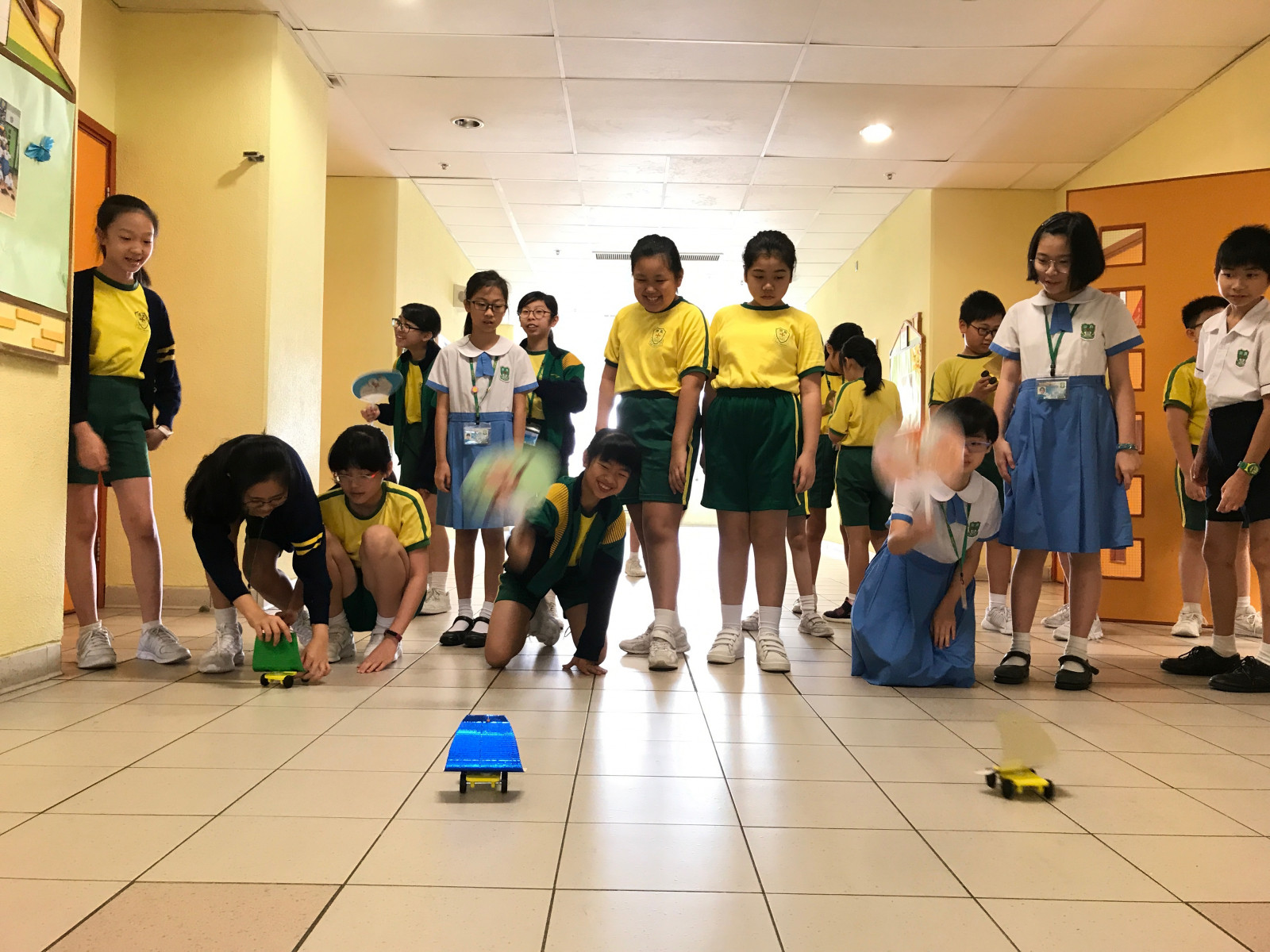
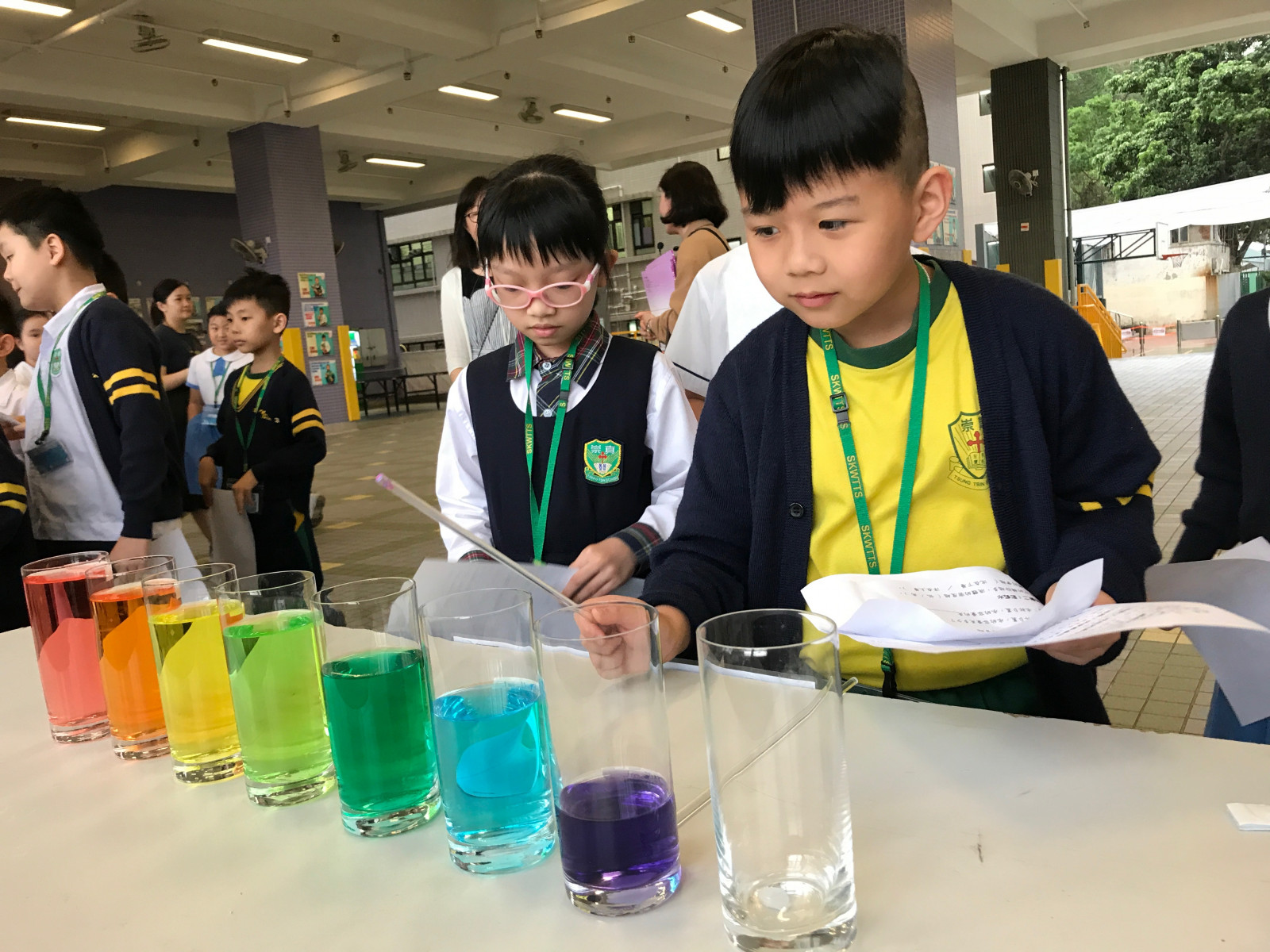
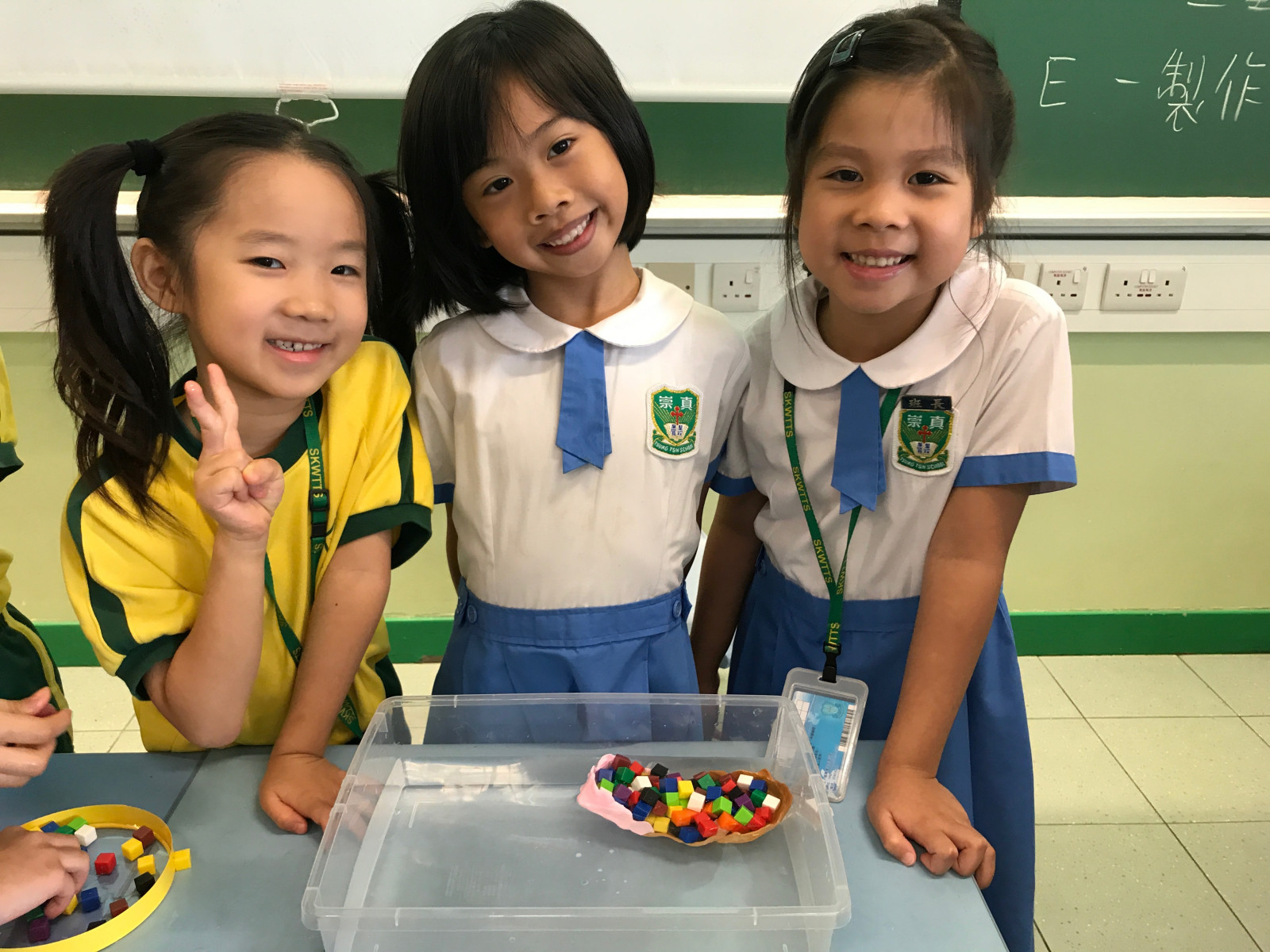
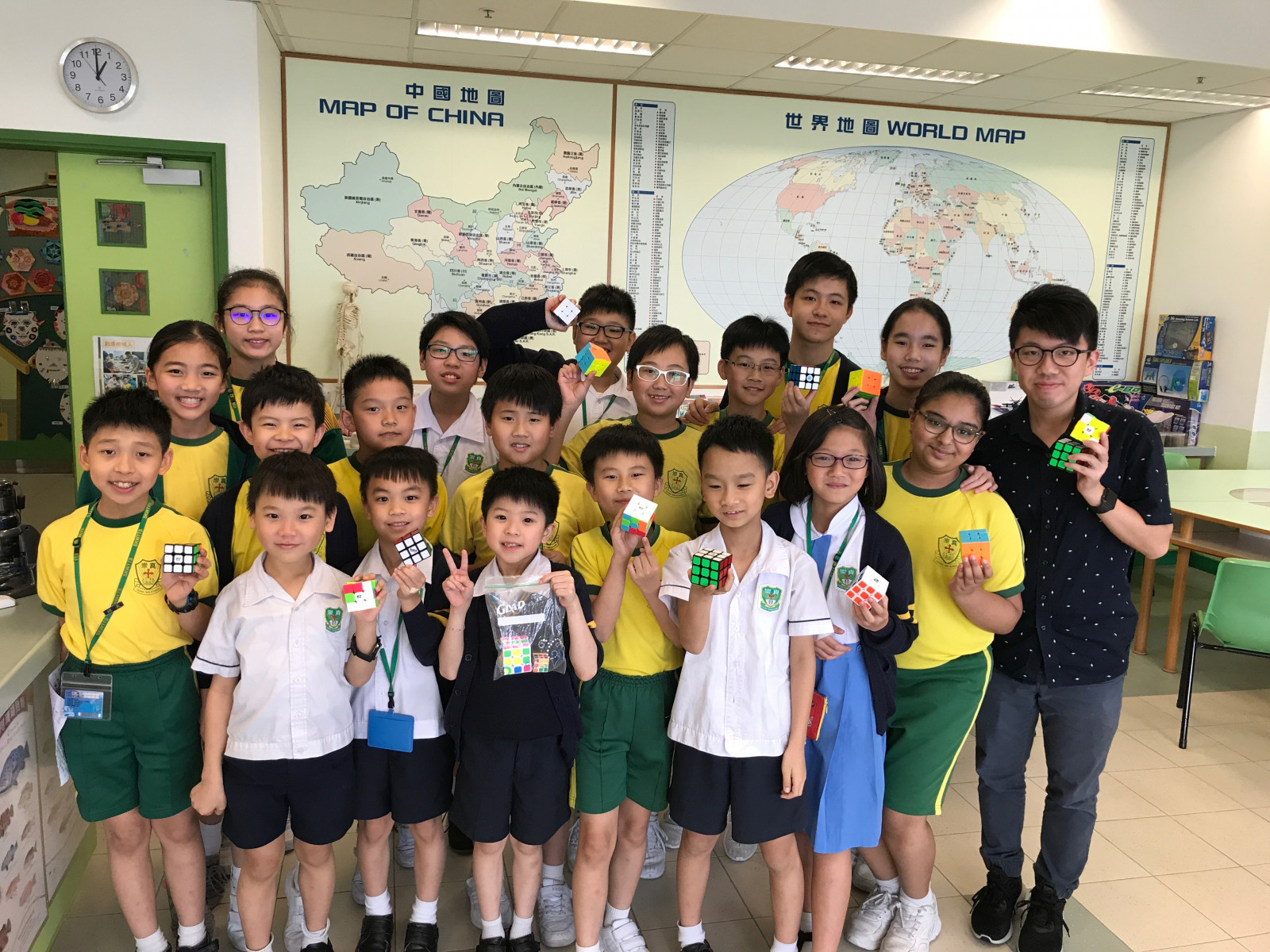
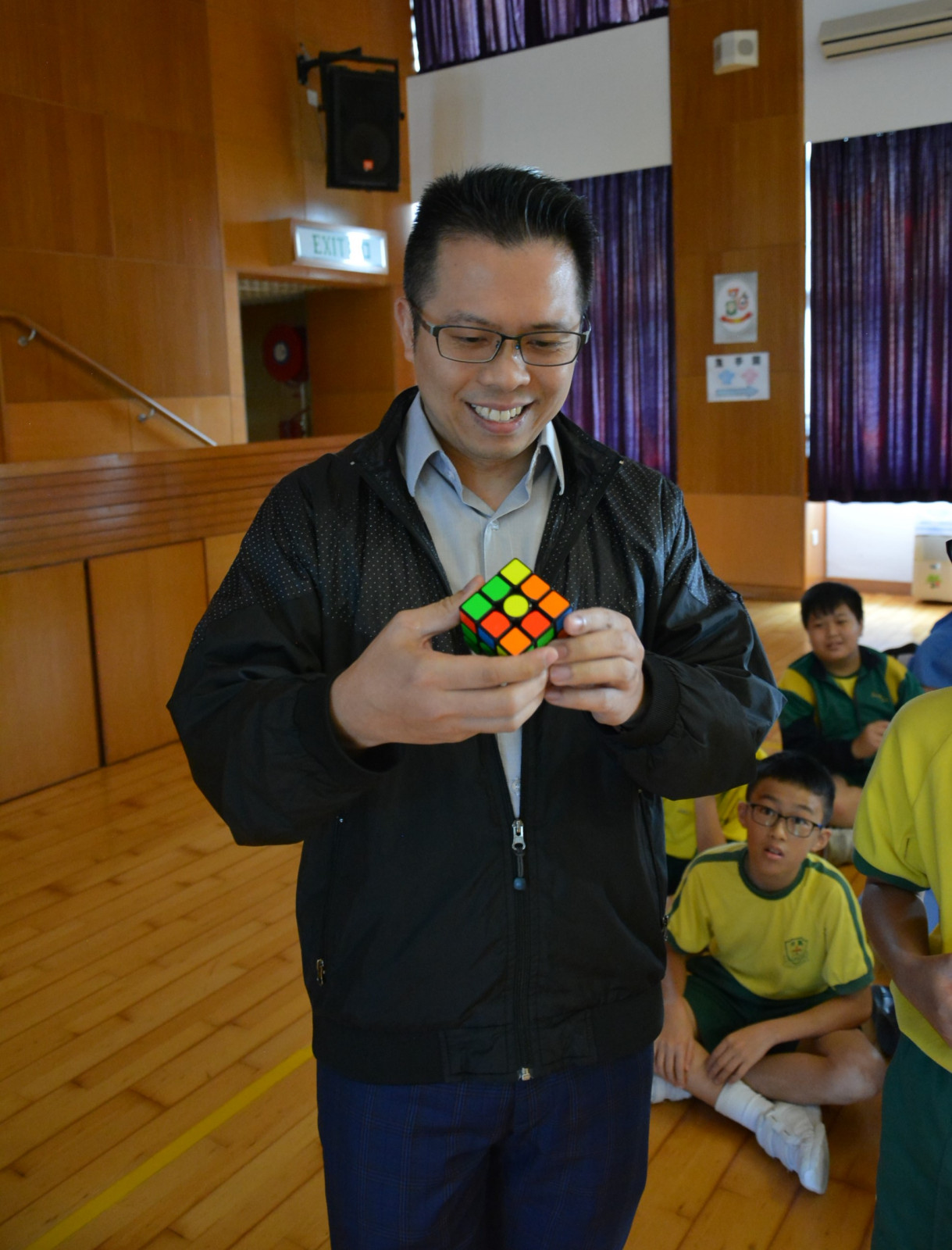
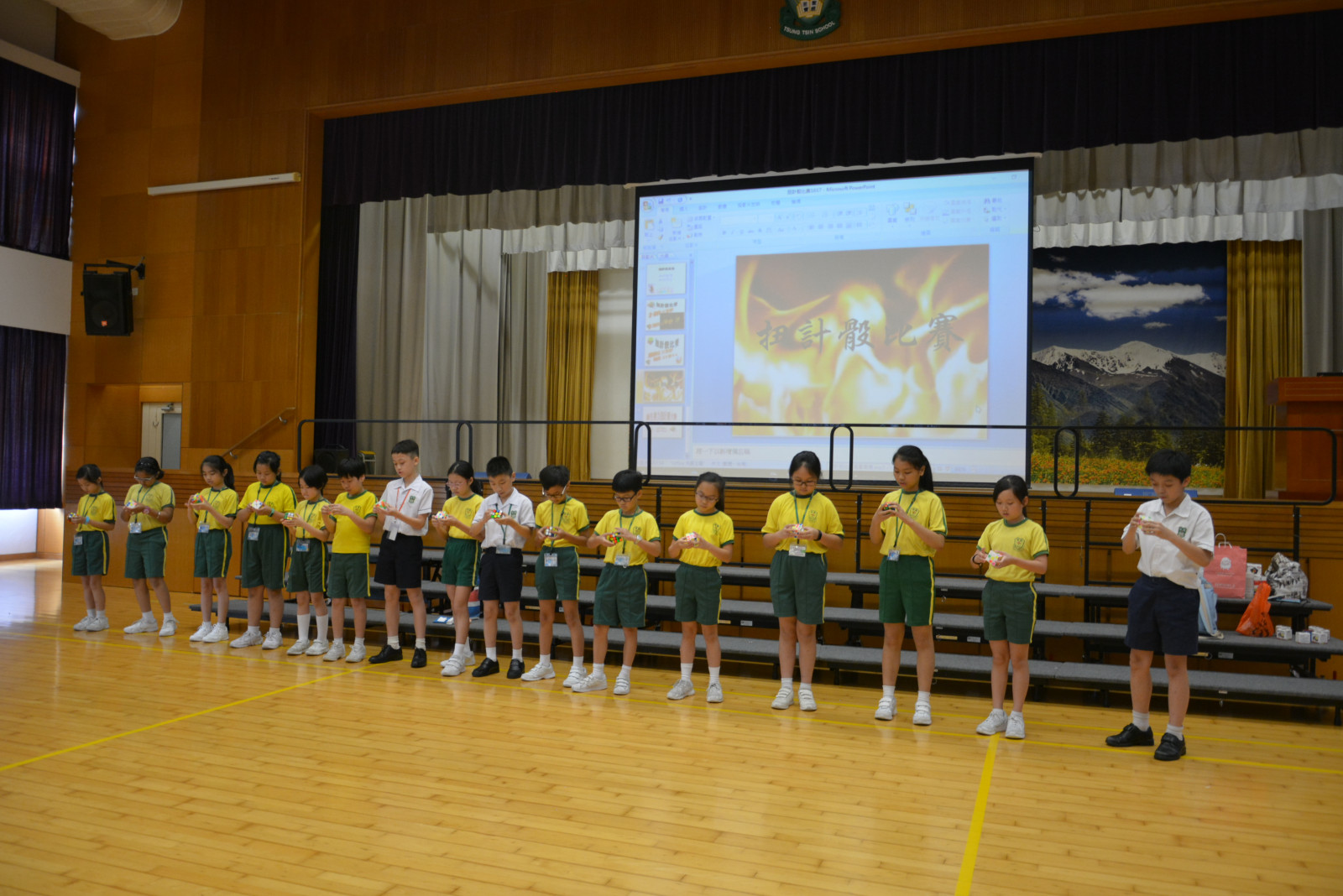
6. Conduct dice trick training and competitions to enhance students' self-learning ability, inspire their creative thinking, problem-solving skills, and cultivate their concentration. |
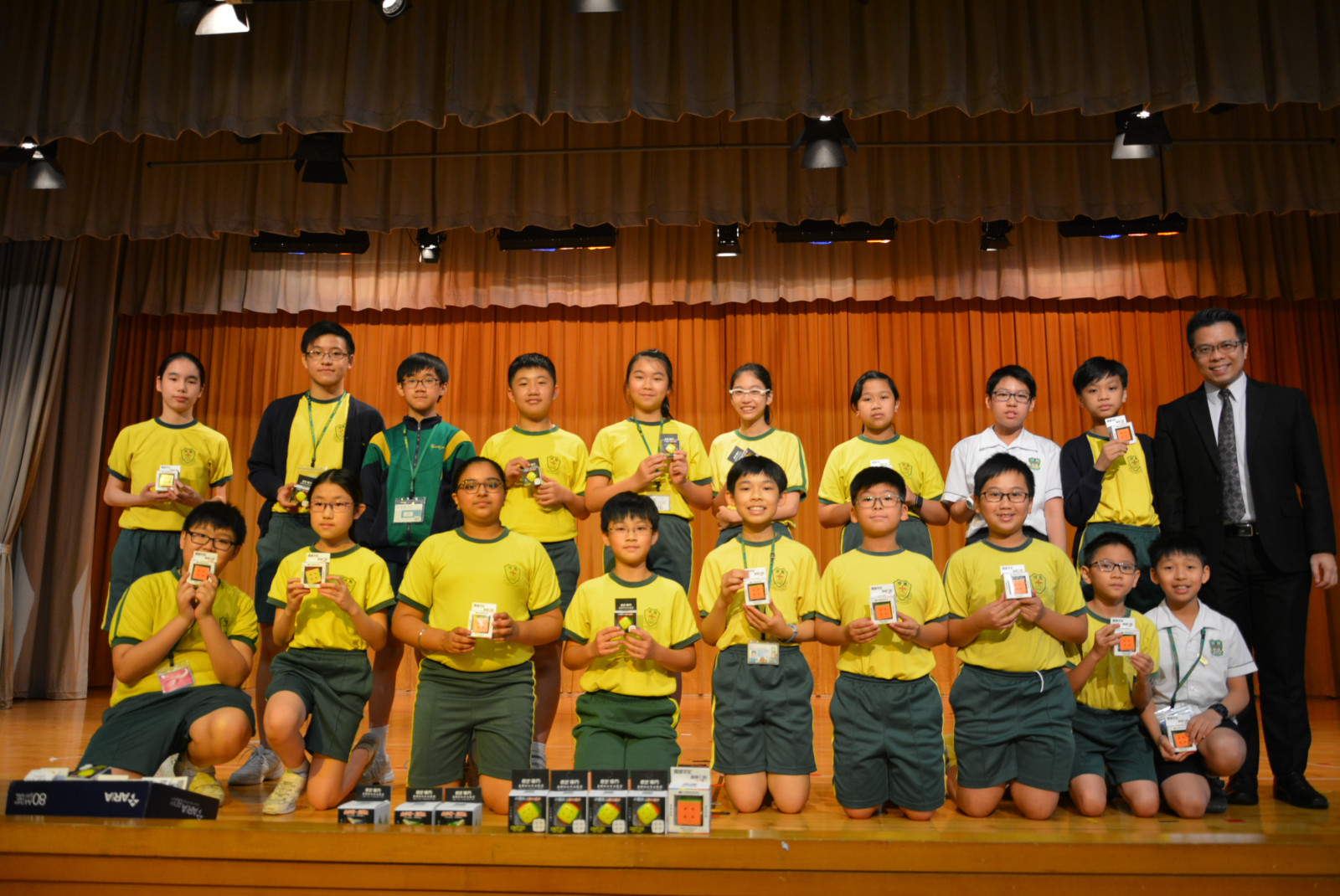
7. Students in grades 3 to 6 will be divided into four advanced math groups to provide intensive training for those with a strong interest in and high ability in mathematics, enhancing their analytical, inductive, deductive, and creative abilities. |
| Results: |
1. Students learn in a diverse learning environment, have a strong interest in mathematics, can integrate mathematics into their lives, solve problems, and continuously explore and learn independently. |
2. Students improve their problem-solving abilities by using school-based problem-solving strategies and techniques. |
3. Students' self-confidence is enhanced, and they actively participate in on-campus and off-campus activities and competitions. |
4. Students have clear logical thinking, and their problem-solving and higher-order thinking abilities have been greatly improved, resulting in outstanding achievements in various off-campus mathematics competitions. |
Contest:
1. Primary School Mathematics Competition (Eastern District) of Hong Kong (All 18 Districts)
2. Hong Kong Primary School Mathematics Elite Selection Competition (Calculation Contest)
3. Hong Kong Mathematics Olympiad
4. International Joint School Subject Assessment
5. "Huaxia Cup" National Mathematical Olympiad
6. Hong Kong Primary and Secondary School "T-Riddle" Competition
7. National Hua Luogeng Gold Cup Youth Mathematics Competition
8. Primary School Mathematics Elite Competition
9. Hong Kong International Mathematics Competition
