
purpose
To cultivate students' abilities in social life; to focus on students' personal growth; to emphasize historical and cultural elements and cultivate their moral and civic values. At the same time, to cultivate students into rational, proactive, and responsible citizens to face the challenges of the 21st century.
Target
Help students understand their identity in their family, school, community, and country.
To help students understand the preciousness of life, and to teach them to cherish themselves and respect others.
To cultivate students' positive values and attitudes, strengthen their resilience, and enable them to face difficulties bravely.
To cultivate students' spirit of caring for others, to teach them to serve others at school and in society, and to foster a sense of responsibility.
To cultivate students' spirit of caring for the world, to help them understand the importance of cherishing Earth's resources, protecting the environment, and becoming good global citizens.
form
Our school promotes moral and civic education through various activities. Regular courses include moral and civic education classes, general knowledge and Bible studies, etc.; other activities include morning assemblies, weekly assemblies, flag-raising ceremonies, environmental recycling activities and training of environmental ambassadors, etc.
Various activities
1. Moral and Civic Education Class: One moral and civic education class is scheduled every Friday, taught by the homeroom teacher, to cultivate students' self-awareness, establish positive values, and care for the world.
.jpg)
.jpg)
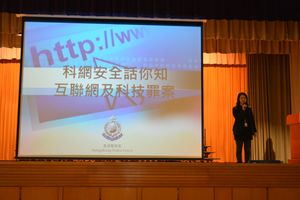
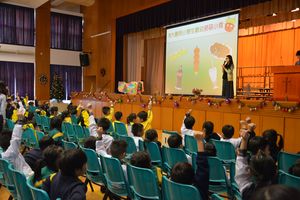
2. Morning and Weekly Meetings: Lectures and related activities are arranged during morning and weekly meetings to enhance students' spirit of mutual respect and cooperation, and to prepare them to become outstanding citizens.
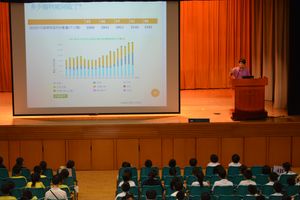
The Eastern District Police Community Relations Branch Sergeant was invited to preside over the event. | Peer bullying lecture and computer crime lecture |
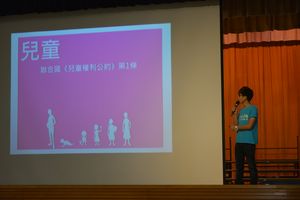
control | United Nations Convention on the Rights of the Child |
Environmental Education | |
.jpg)
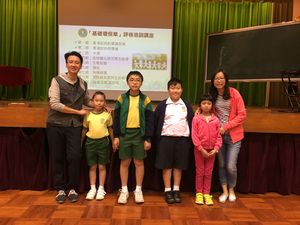
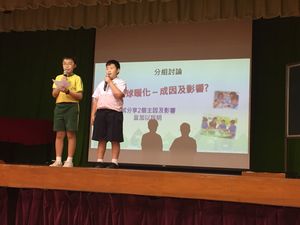
3. Environmental Ambassador Off-Campus Training: Environmental ambassadors in grades 4-6 participate in basic and specialized environmental badge training organized by the Environmental Movement Committee.
Environmental Ambassador Off-Campus Training | Environmental Ambassador Off-Campus Training |
Four students and three students respectively obtained the basic environmental protection badge and the special environmental protection badge. | |
.jpg)
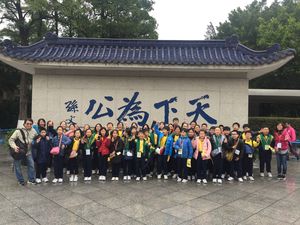
4. Mainland Exchange Program: Every year, the school sends fifth-grade students to the mainland for exchange programs. Through visiting cultural sites in the mainland, students learn about the mainland's culture, history, and development, increasing their sense of identity as Chinese people.
.jpg)
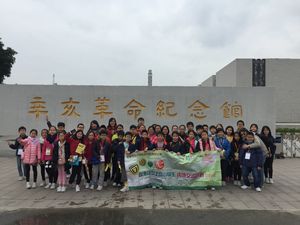
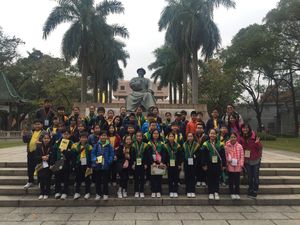
Forty fifth-grade students visited Dongguan and Zhongshan in Guangdong Province for exchanges, where they learned about the causes and process of the Opium War, the life and deeds of Sun Yat-sen, the founding father of the Republic of China, and the progress of the Xinhai Revolution.
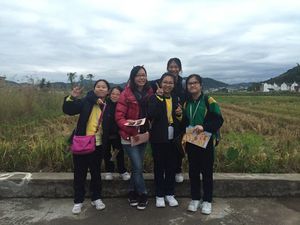
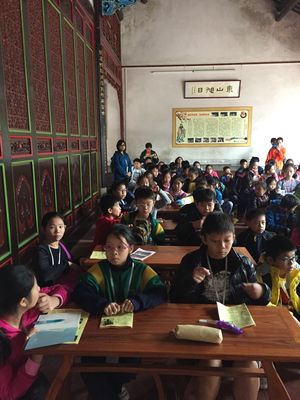
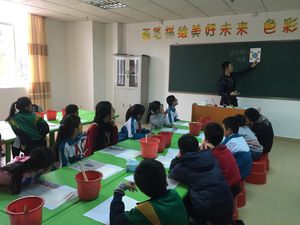
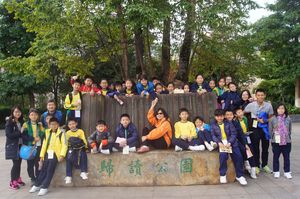
Forty fifth-grade students visited Meizhou, Guangdong Province, to learn about Hakka culture and attend classes with students from mainland China at a local primary school.
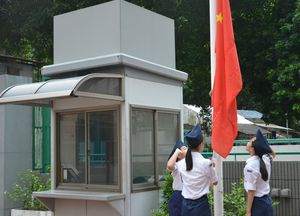
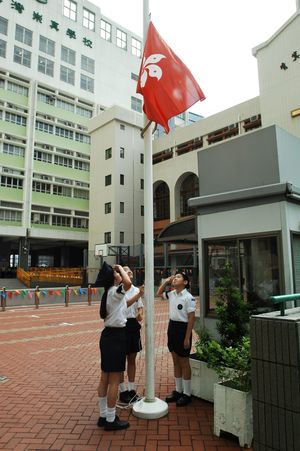
5. Flag Raising Ceremony: Every year on the day before National Day and the establishment day of the Hong Kong Special Administrative Region, the school holds a flag raising ceremony to help students learn about these two important days for China and Hong Kong.
Flag raising ceremony | Flag raising ceremony |
6. Class-based Environmental Protection Activities: Class-based environmental protection activities are divided into holiday-related and short-term activities. Holiday-related environmental protection activities include the Mid-Autumn Festival mooncake box recycling activity in September and the red envelope reuse recycling activity in February; short-term environmental protection activities include the double-sided paper recycling activity in November and the aluminum can recycling activity in June.
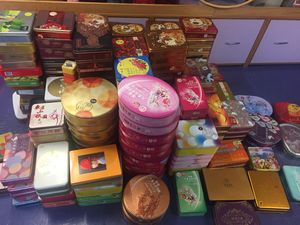
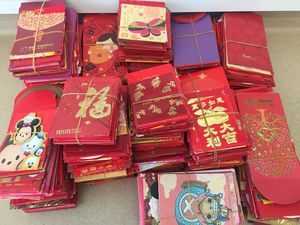
During the Mid-Autumn Festival mooncake box recycling activity, approximately 320 mooncake boxes were collected, with 22 classes meeting the standard (5 boxes per class). During the Lunar New Year red envelope recycling and reuse activity, approximately 2,400 eco-friendly red envelopes were collected, with 23 classes meeting the standard (100 red envelopes per class).
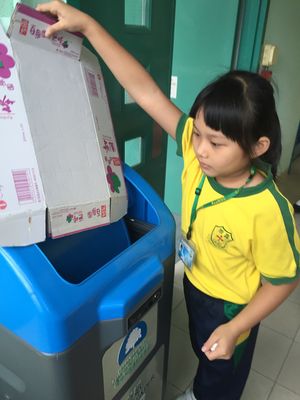
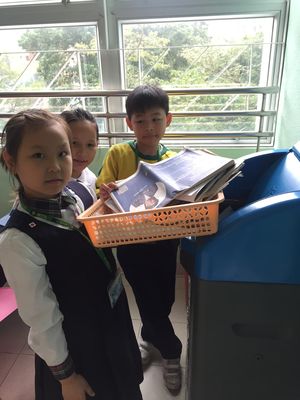
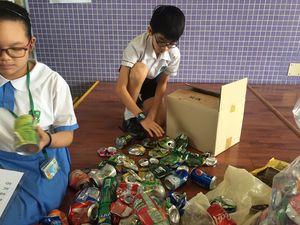
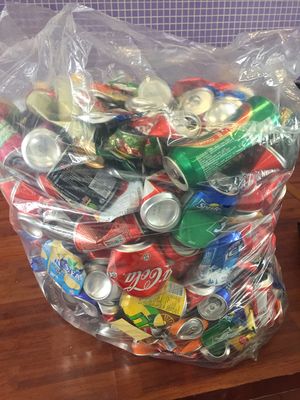
In the double-sided paper recycling activity, students learned which types of paper are recyclable and which should be double-sided. Class 19 achieved the target (20 sheets per class). In the aluminum can recycling activity, approximately 200 beverage aluminum cans were collected. Class 9 achieved the target (20 cans per class).
